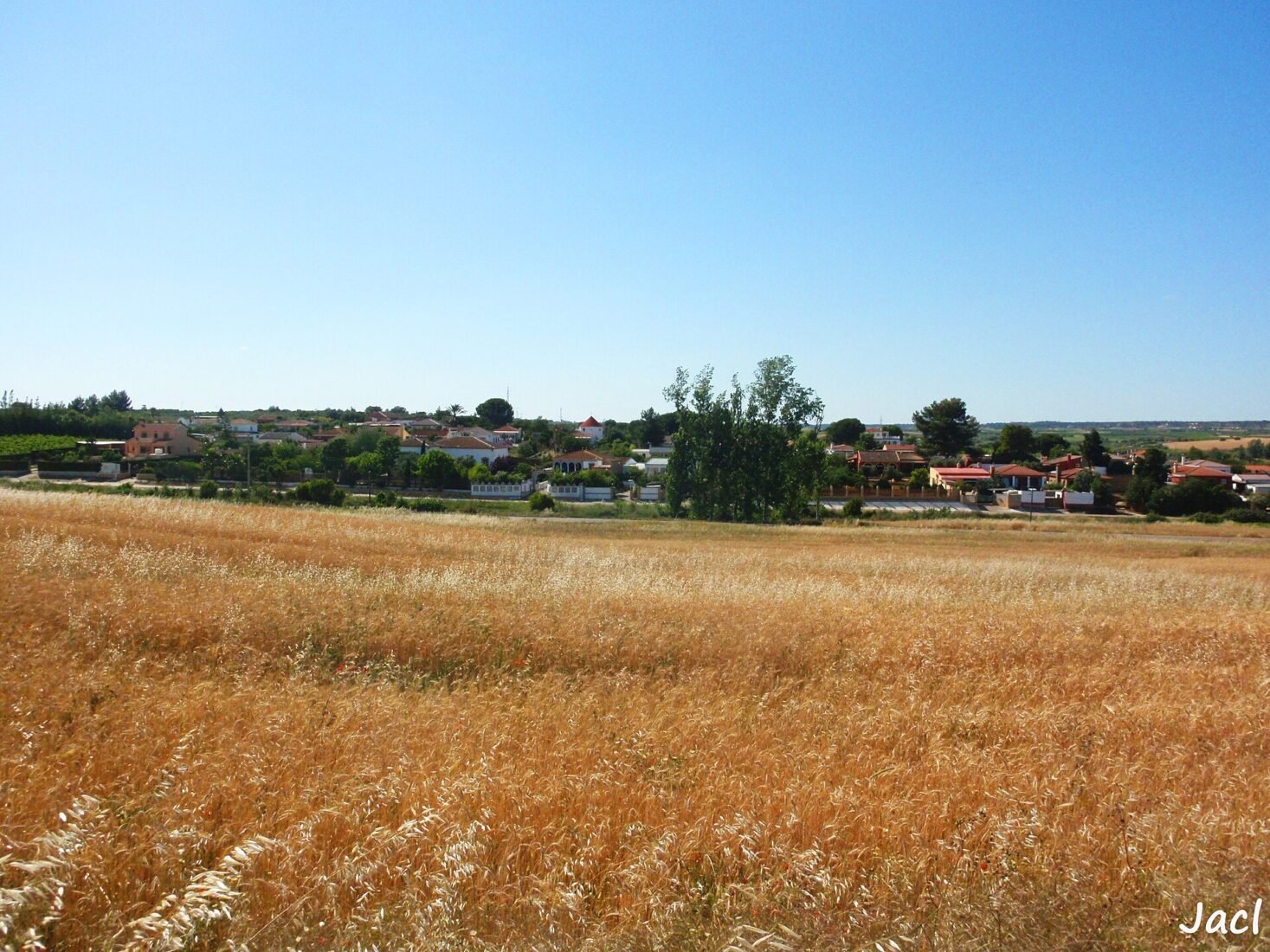
Travel through the Condado de Huelva and you encounter a side of Andalusian wine country that often receives less attention than better-known neighbouring regions. There are active family wineries, older ageing cellars, towns shaped by agricultural life and a distinct tradition of both young white wines and more mature, fortified styles. The pleasure of a winery visit here is often the chance to ask questions in a working place.
This is a route to plan rather than a guarantee that every bodega is open for casual drop-in tastings. Below are wineries with independently published visitor information and useful alternatives for travellers interested in village architecture and the wider region. Do not plan to drive after tasting alcohol: nominate a driver who abstains, book an organised excursion or arrange suitable transport.
Understand the wines before choosing a tasting
The name Condado de Huelva describes a protected wine designation rather than a single town. The region makes fresh whites as well as traditional fortified wines, and the range can surprise visitors who expect one simple house white. Zalema is an important local grape; tasting it in different styles can help explain how vineyard decisions and cellar methods change the final result.
Look out for terms such as Condado Pálido and Condado Viejo among the traditional fortified styles. The area also has protected denominations for Vino Naranja del Condado de Huelva and Vinagre del Condado de Huelva. Orange wine in this local context refers to aromatisation with orange peel, not simply the skin-contact white wine called “orange wine” elsewhere.
At a tasting: Ask whether the wine is dry, sweet, fortified or aged under a layer of flor yeast. There is no need to memorise vocabulary before arriving: a good winery guide can explain the differences through samples.
Bollullos Par del Condado: the best place to start
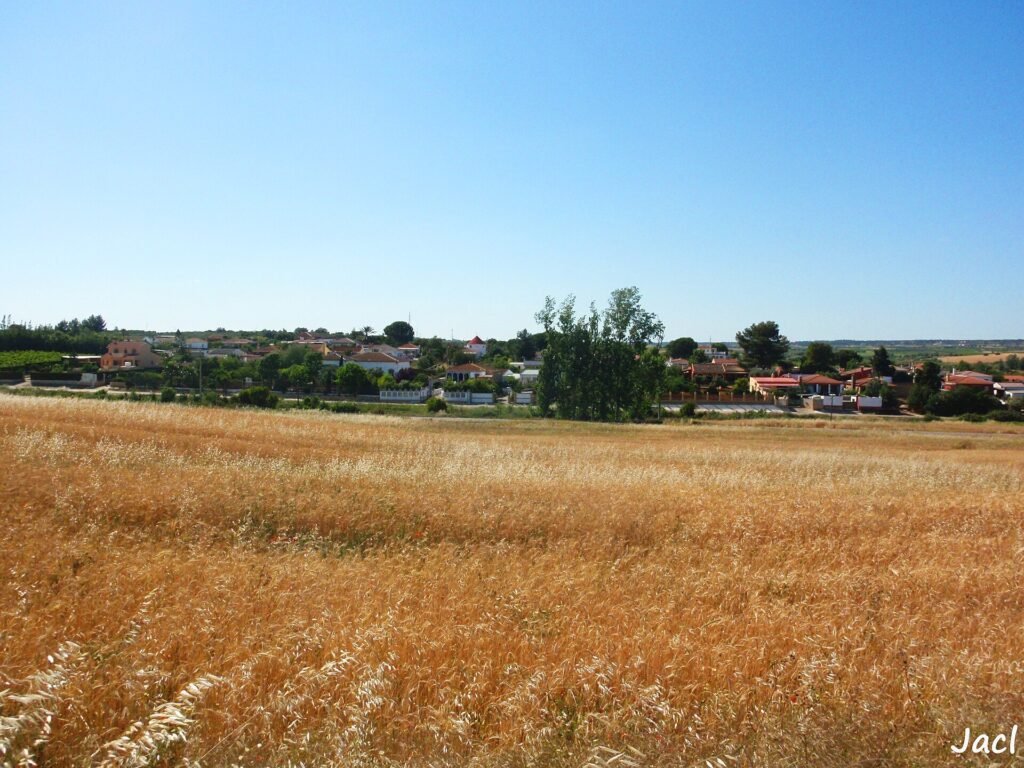
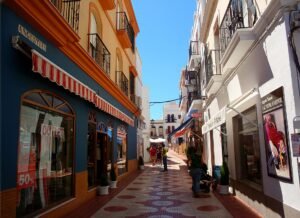
Bollullos Par del Condado brings several visitor-oriented bodegas into the same town. That is useful if you want to understand the wine culture without combining widely dispersed destinations. A walk in the centre offers glimpses of older architecture and agricultural commercial life, although the main wine experiences are organised around individual winery reservations.
Use Bollullos as your base for a single-winery half-day or an organised tasting circuit. It is better to book one engaging experience than hurry between three producers and remember very little about any of them.
Location: The wine businesses described next are in Bollullos Par del Condado municipality unless stated otherwise.
Bodegas Iglesias: a tasting with an explanation
Bodegas Iglesias advertises guided visits and tastings that explain different methods of ageing. This is a good candidate for travellers who want the production story as well as the glass itself: comparing biologically aged wines with oxidatively aged styles becomes much easier when the cellar context is visible.
Its visitor programme also describes food pairings and vineyard experiences, which may suit travellers who want to connect local wines with regional ingredients. Choose the specific experience rather than assuming all bookings include the same food or vineyard component.
Booking: See the official enotourism programme; confirm the date, language, accessibility and transport arrangements before paying.
Bodegas Sauci: family winemaking and Vino Naranja
Bodegas Sauci places emphasis on its family history, ageing process and the region’s distinctive orange-infused wine. A guided visit can be particularly interesting if you want to understand the relationship between barrel ageing and the flavours associated with fortified or aromatised wines.
The winery lists several experiences, including classic tastings and food-focused variations. Instead of choosing entirely by price, ask which visit spends the most time on the styles you are curious about.
Booking: The winery requires an arranged date; purchasing a voucher does not itself reserve a time. Reconfirm opening arrangements directly.
Bodegas Andrade: historic cellars and a wine museum
Bodegas Andrade offers a different kind of introduction: tours reference its historic Bodega 1885, museum displays and, in selected experiences, vineyard walks. If you like industrial heritage and old buildings, this may be as appealing as the wine itself.
Available offerings range from cellar-focused visits to longer combined experiences. It is worth asking what is included on the day you choose, especially if you want an English-language explanation or need step-free access.
Booking: Consult Andrade’s official visitor page. Some published standard tours are marked Spanish-language, so never assume bilingual guidance.
La Palma del Condado: wine and town architecture
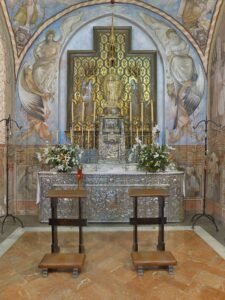
La Palma del Condado is another historic wine town with religious buildings, streets and traditional town-centre architecture. It can provide a worthwhile second stop if your day is as much about local culture as it is about tasting.
Bodegas Infante is identified in the provincial wine-tourism directory, but a directory listing alone is not confirmation of daily drop-in cellar visits. Arrange any winery access directly rather than building an itinerary around a speculative opening.
Best approach: If you already booked a Bollullos tour, stop in La Palma for lunch and a short town walk, saving a second formal tasting for another day.
Rociana del Condado: another winemaking community
Rociana del Condado is an alternative for visitors who would rather get beyond the most obvious winery cluster. Provincial tourism material identifies local producers, including Bodegas Contreras Ruiz. A guided visit, when arranged, can help show how individual wineries express regional traditions differently.
Do not expect to arrive at any production site unannounced. The more useful travel question is not “Which bodega is most famous?” but “Which experience is available on my travel day, in a language I understand, and with a safe way home?”
Planning: Contact operators directly for private or scheduled tours, and consider how this village fits into a longer Condado day.
Two realistic ways to plan a wine day
Easy half-day: Choose one confirmed tasting in Bollullos, allow unhurried time for the cellar and add lunch nearby. If you are driving, the driver should not drink. This format leaves time to return to Huelva or Seville without racing the clock.
Longer culture-and-wine day: Begin with a confirmed cellar visit, continue to La Palma del Condado or Rociana for village exploration, and leave a later meal or another visit flexible. Where possible, arrange a driver or an organised package rather than trying to improvise taxis between rural locations.
The wine area is not a theme park with one universal opening schedule. Public holidays, harvest work and private events can affect the wineries. Reserve the experience first; organise the rest of the day around it.
Practical questions worth asking before booking
Is the tasting offered in English? Is the visit to a working cellar, a vineyard, a museum or a combination? How long does it last? Are there steps, uneven floors or other accessibility concerns? Are non-drinkers welcome, and can the tasting be adapted? Is lunch genuinely included or merely available nearby?
If you are buying bottles, check baggage rules for your return journey. More importantly, taste responsibly; there are appealing ways to understand Condado wine that do not involve sampling at multiple wineries on one driving day.