What makes the Río Tinto mining district worth the journey?
In the north-eastern part of the Province of Huelva, mining has shaped hills, housing, railways and everyday life on a scale that is hard to understand from a photograph. The copper-coloured workings and the unusual chemistry of the Río Tinto are immediately eye-catching, but the more interesting story is how generations of miners, engineers and families lived alongside industrial change.
The Parque Minero de Riotinto is the main organised visitor operation. It is a collection of separate sites, not a single building you can explore in twenty minutes. Some are in Minas de Riotinto municipality; Peña de Hierro is in Nerva. Choosing a ticket combination and following its schedule is the difference between a coherent visit and hours spent driving between inaccessible gates.
1. Museo Minero: start with the story, not the biggest hole
The mining museum provides the strongest introduction to a region where extractive work reaches far back in history. Displays relate geology, technology and the changing human organisation of mining. It is the place to establish how older methods, modern industry and rail transport fit together before visiting outdoor workings.
Approach the museum as more than a waiting room for the train. A little background makes the industrial features outside more intelligible: a mine pit is not simply a scar in a hillside, but one component in a complex system of extraction, processing, transport and settlement.
Practical tip: The museum is used as a starting point for several official ticket packages. Confirm the order required by your booking and arrive with time for the displays, not only the next scheduled activity.
2. Ferrocarril Minero: seeing the landscape from the old railway
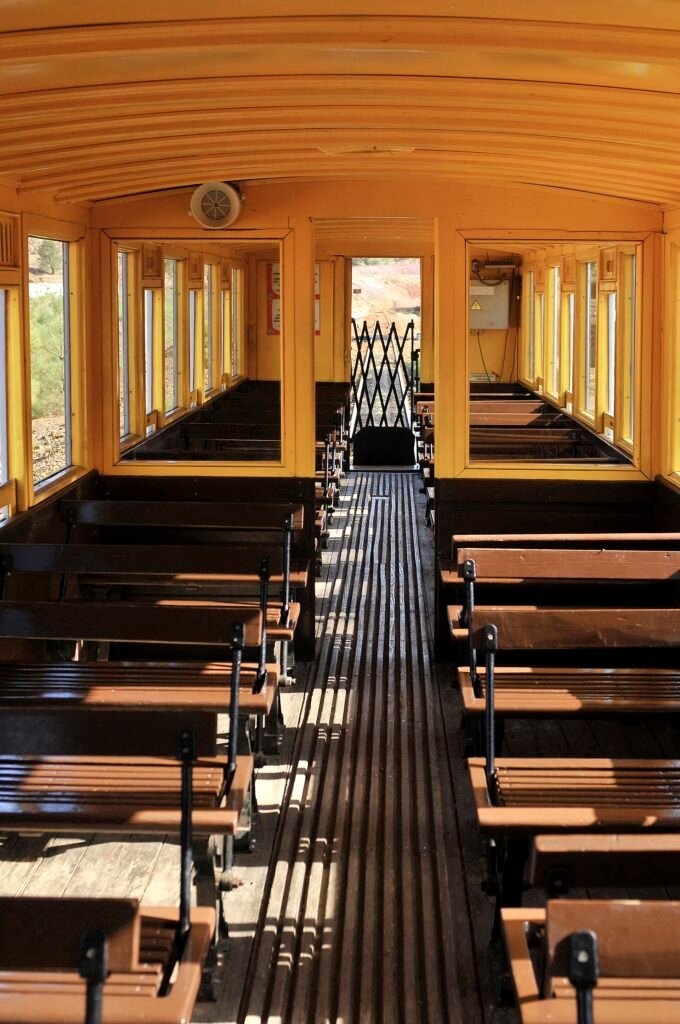
The mining railway is one of the most distinctive experiences in the district. Rather than driving to a succession of roadside viewpoints, the excursion follows part of the historic railway setting and places the vivid mineral landscape within its transport history.
This is particularly valuable for visitors who might otherwise only photograph the red-coloured river from a bridge. The route can show how the railway, mining works and landscape relate to each other. What you see will depend on conditions and the operator’s current itinerary.
Practical tip: The railway has scheduled departures and is not a hop-on, hop-off train. Book it as part of an itinerary with enough time to reach the designated departure point. Check restrictions for mobility aids, pushchairs and weather with the operator.
3. Peña de Hierro: a dramatic pit in Nerva
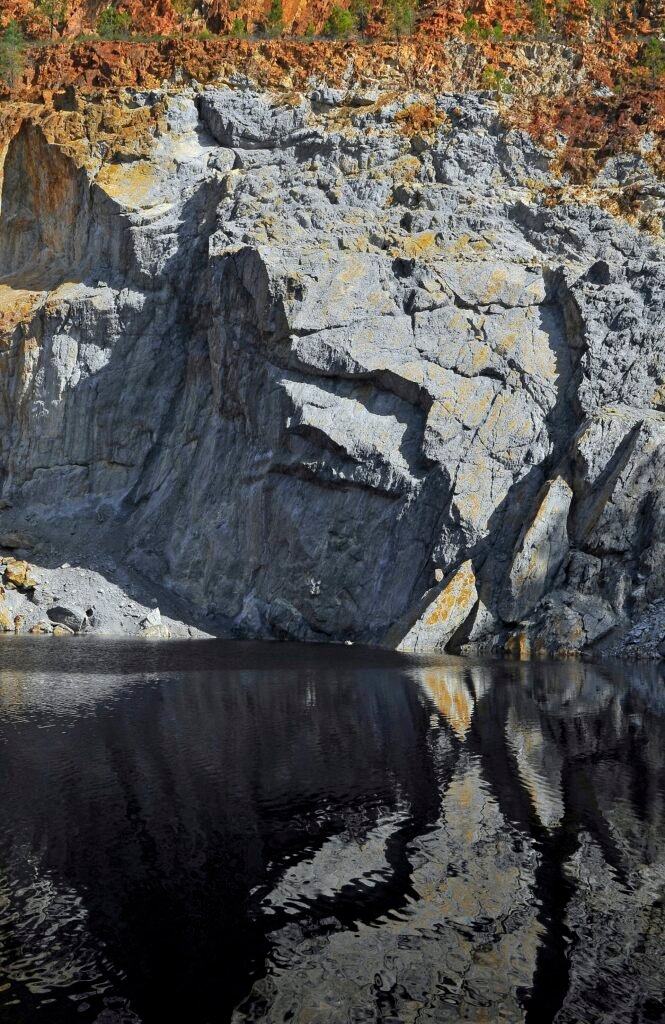
Peña de Hierro is one of the district’s most visually striking old mining sites. The rock colours, water and forms left by extraction make it a place to appreciate how geology and industry interact. The official mining park offers a regulated visitor experience here rather than unrestricted wandering around the workings.
Importantly, the attraction is in the municipality of Nerva. When planning the day, do not assume it sits next door to every other stop carrying “Riotinto” in its name.
Practical tip: Follow the operator’s assigned meeting place and safety instructions. Mine terrain can contain steep drops, loose edges and areas that are closed to visitors. Never climb barriers for a photograph.
4. Corta Atalaya: understanding the scale of extraction
Corta Atalaya is an immense open-pit mine associated with the district’s industrial history. Seen from an authorised viewpoint or controlled visit, its stepped benches and vast proportions make the scale of extraction much easier to grasp than a museum photograph can.
It is best considered alongside the museum: one explains the processes and the people, the other shows the physical result in the land. This is also why the site deserves a planned visit rather than a detour to an improvised roadside lookout.
Practical tip: The mining park currently advertises ticket combinations including Corta Atalaya, but not every ticket includes every stop. Check whether the itinerary is guided and how the transfer works. Do not assume independent entry is possible.
5. Casa 21 and the English Quarter: the social history of mining
The restored Casa 21 in the Barrio de Bella Vista presents another side of the story. The English Quarter is tied to the British mining company era, when imported working practices and domestic customs left a visible mark on the district. Here the story shifts from machines and ore to housing, social class and the routines of daily life.
The surviving architecture is particularly interesting because it raises questions a large mine often obscures: who lived where, who managed the works and how did different communities experience the same industry?
Practical tip: Casa 21 appears in several combined packages. It is not automatically open whenever you arrive in Bella Vista; check the scheduled visiting window and allow time to reach it from the railway or pits.
6. Cerro Colorado and the distinctive mining landscape
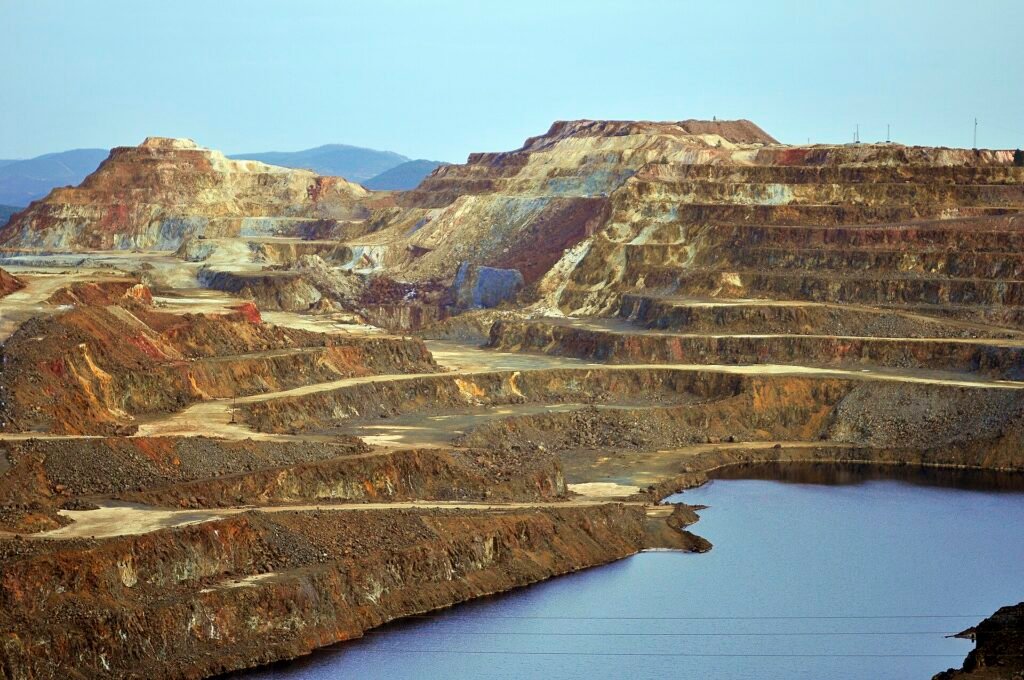
Cerro Colorado is another major name in the mining landscape, with visually dramatic exposed rock and industrial workings. Its appearance helps illustrate the scale and ongoing character of mining in the region. This does not, however, mean it is a tourist site open for independent access.
Treat broad views or photographs of Cerro Colorado as context rather than an invitation to walk towards active or restricted operations. The safest and most informative way to experience the mines is through the designated visitor attractions and the operator’s own itinerary.
Practical tip: Do not enter unsigned tracks, working areas or disused structures. The location pin below is for general orientation only, not a visitor entrance or a promised viewpoint.
Which ticket itinerary should you choose?
The operator advertises several combinations rather than one universal admission ticket. At the time of research, these include a more complete itinerary combining the museum, Casa 21, the railway, Peña de Hierro and Corta Atalaya; shorter options omit one or more elements. The official ticket page provides the available packages and estimated programme lengths. Those estimates describe the organised experiences, not independent travel from Huelva.
If you have only part of a day: choose a shorter museum-plus-mine combination that matches your interests and departure availability. If mining history is the reason for your trip: allow a full day, prioritising the railway and at least one guided pit visit if available. Do not assume the complete tour is available on every date; select a date and examine the actual schedule before planning other stops.
Getting there from Huelva and planning a safe visit
The mining district lies inland rather than in Huelva’s coastal urban area. A car offers the greatest flexibility between the separate attractions; do not invent a single public-transport timetable for museum, mine and railway. If you intend to arrive without a car, check an up-to-date connection to Minas de Riotinto and ask the operator whether the selected package needs independent transfers.
Wear comfortable closed shoes and consider the conditions of open-air industrial sites. Expect uneven ground and weather exposure. Some activities may be unsuitable for particular mobility needs; contact the park directly for site-by-site details rather than assuming the museum’s accessibility applies to the pits and train. Follow staff instructions at all times.
The Río Tinto’s exceptional colour should not be mistaken for safe drinking or bathing water. Keep to authorised visitor facilities and never collect mineral samples from controlled or protected areas without permission.