Choosing a base on the Province of Huelva’s Atlantic coast is not just about finding the longest beach. Some places feel like fishing towns with a beach attached. Others are purpose-built holiday resorts where the sand, promenade and summer facilities are the main event. A river-estuary village can look close to the sea on a map yet offer a very different holiday from an open-ocean beach.
This guide compares places by what it feels practical to do from each base: walk to meals, explore on foot, take coastal nature excursions or visit other towns. It avoids promising a particular hotel, parking space or seasonal service. Think about whether you want a traditional town, a resort or a quiet natural setting before you book.
Ayamonte: a proper town beside the Guadiana
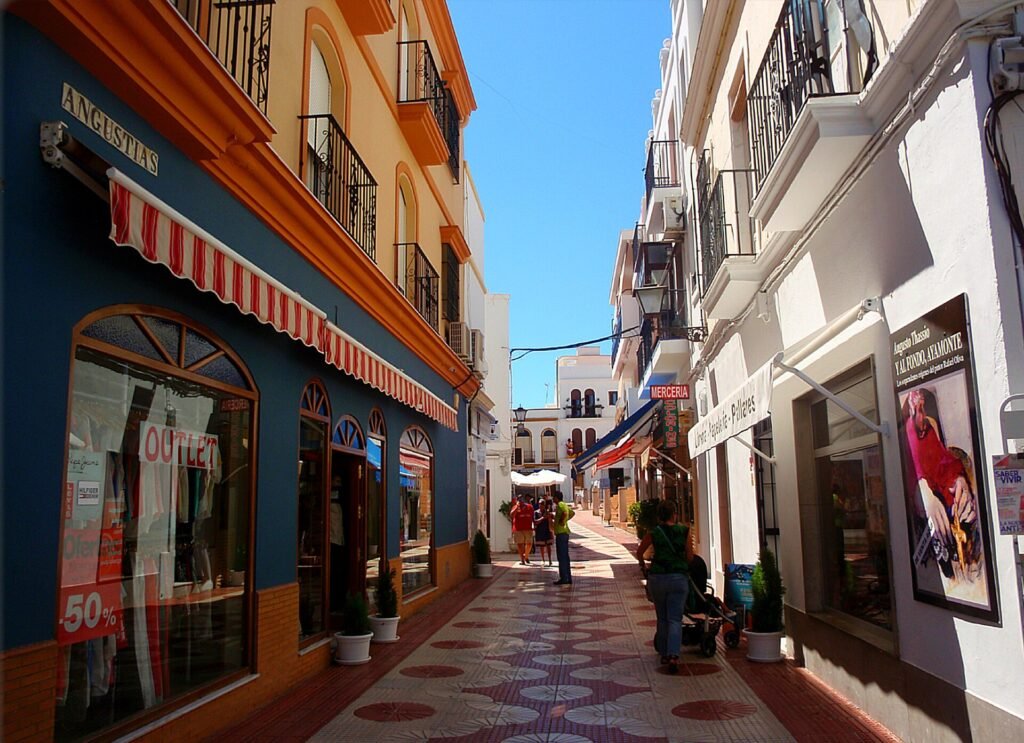
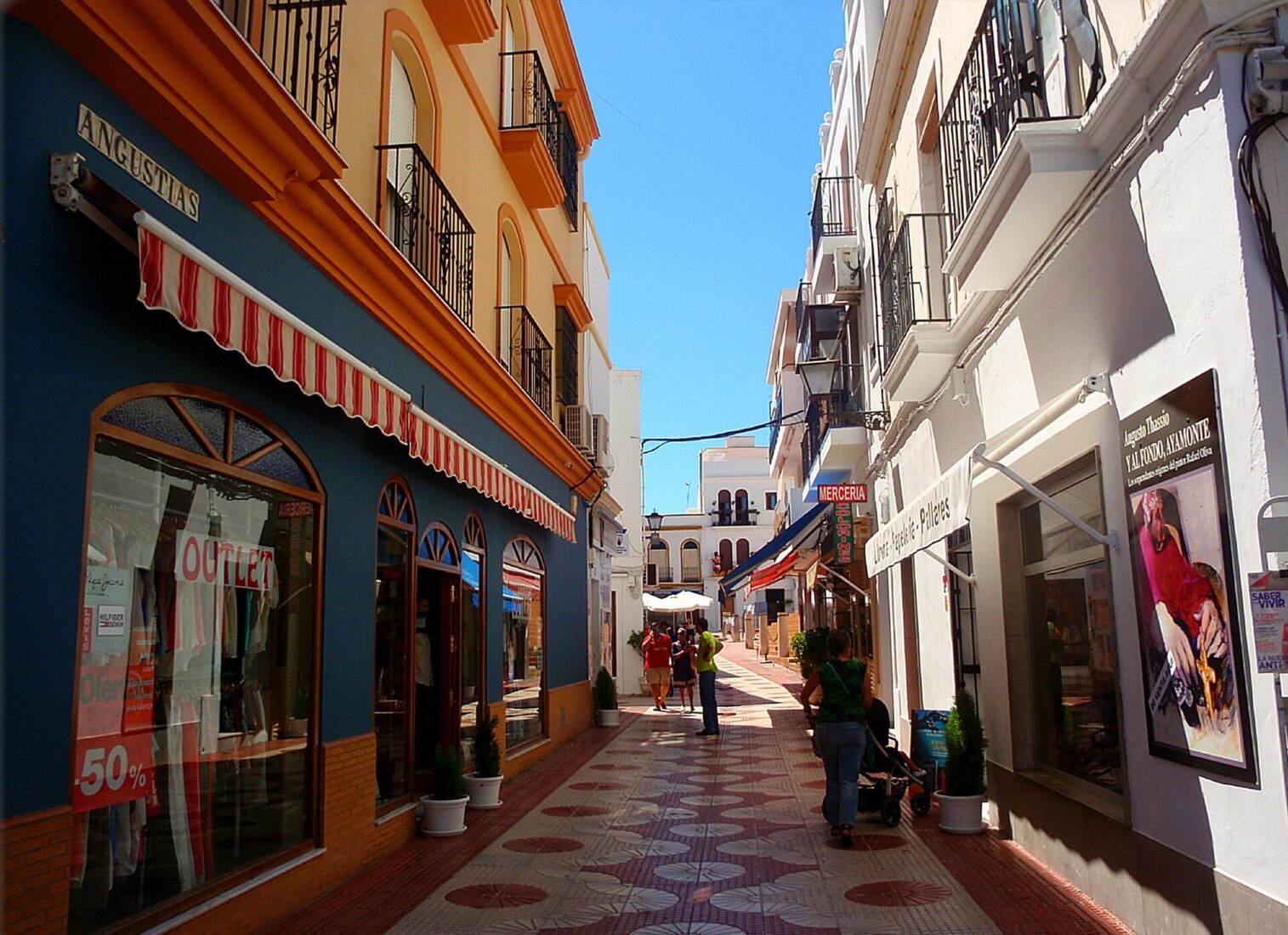
Ayamonte sits by the Guadiana estuary near the Portuguese border. Its centre offers streets, squares and a strong everyday-town identity that makes it a good choice for visitors who enjoy local restaurants and strolling after dinner. The water here is a river setting, not a direct oceanfront beach.
Isla Canela and Punta del Moral provide the nearby beach dimension within Ayamonte municipality, but they are separate areas. Staying in Ayamonte centre is not the same as having sand outside your accommodation.
Best for: Travellers who like town life, river views and easy dining on foot. Think twice if: You expect to walk straight from a historic-centre hotel to the Atlantic surf.
Isla Canela: a beach base with room to spread out
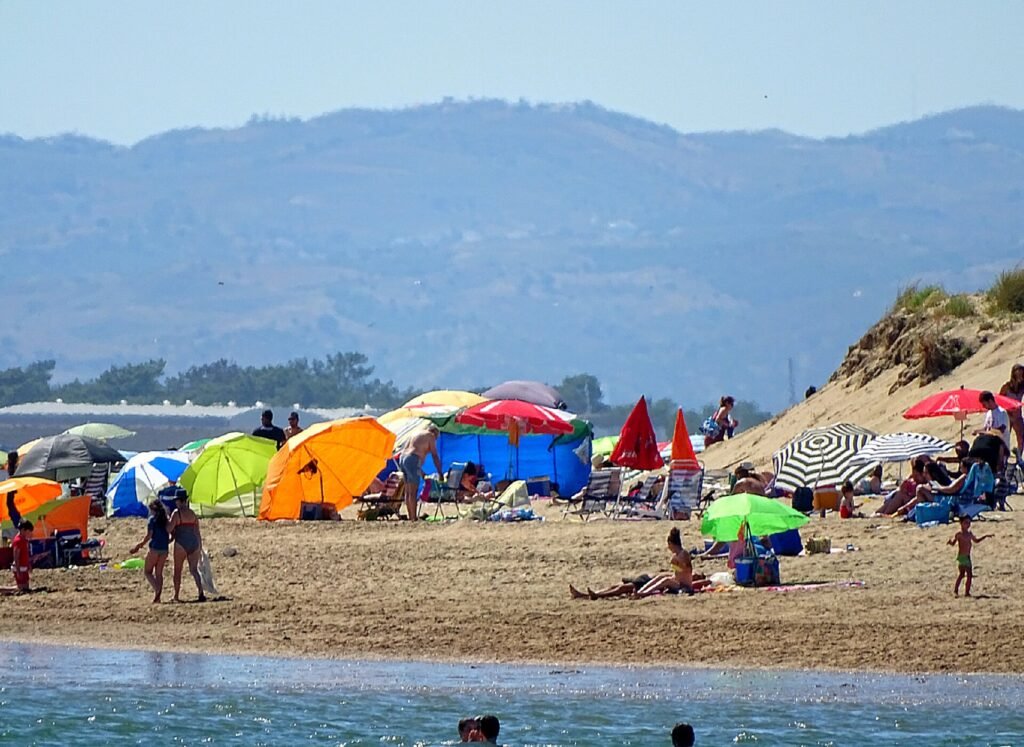
Isla Canela is a coastal resort area in Ayamonte municipality, with sandy beaches and accommodation geared towards seaside holidays. It feels quite different from the town centre: the beach is the main attraction, while the wider Guadiana landscape and nearby marina add alternatives.
Check the specific area of any booking. A listing labelled “Ayamonte” may be inland in the town, close to the marina or beside the beach—and those produce very different days without a car.
Best for: A relaxing coastal stay with beach access as the priority. Check: How far your accommodation actually is from the sand, and what food options are open outside peak summer.
Isla Cristina: fishing identity and a working waterfront
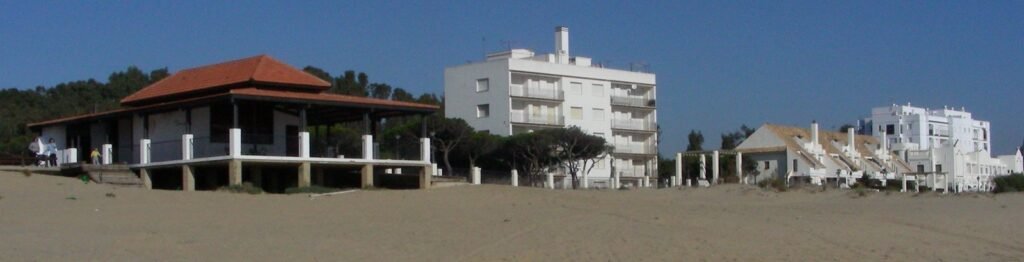
Isla Cristina combines a strong fishing tradition with Atlantic beaches. If you prefer towns that still have visible working industries rather than an exclusively resort atmosphere, it deserves consideration. A visit to its port area can provide some context for the seafood served in local restaurants.
The beach, town centre and port are not interchangeable locations, so pay attention to where a hotel or apartment is situated. Some visitors will appreciate being within reach of town life; others will prefer a location closer to the sand.
Best for: Seafood, beach time and a town with its own identity. Check: Walking distance from your chosen address to the beach you actually want to use.
Islantilla: straightforward resort holidays
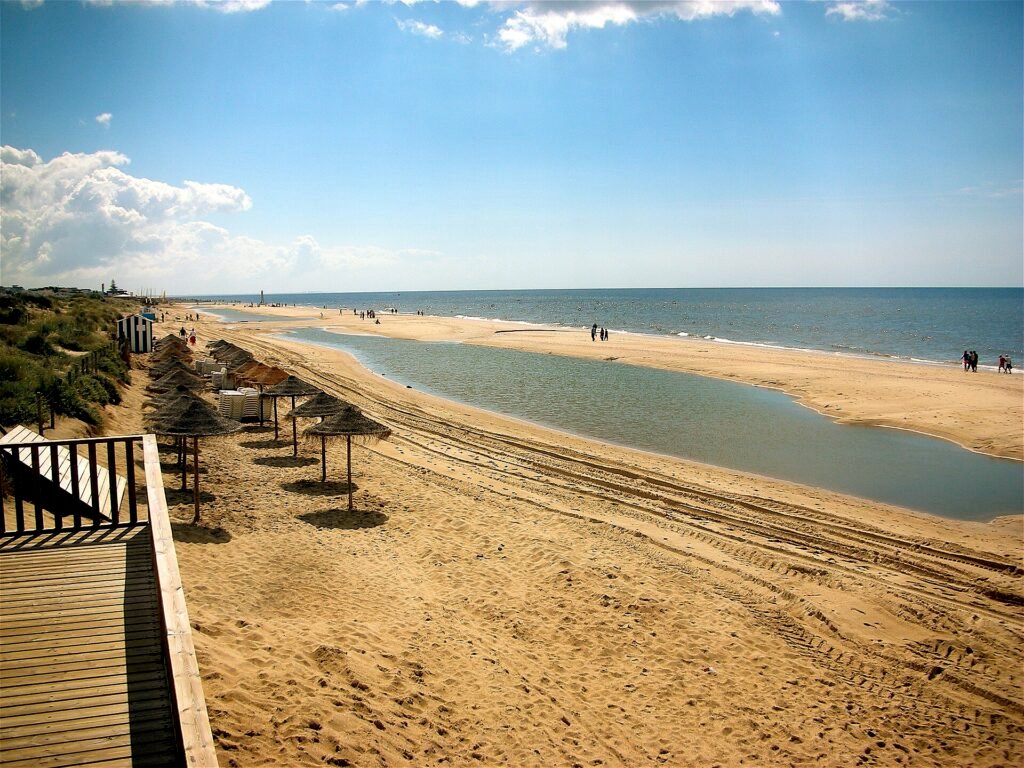
Islantilla is the obvious choice for visitors seeking a promenade-oriented beach holiday with facilities and accommodation built around tourism. It is a jointly managed coastal area spanning Lepe and Isla Cristina municipalities, not an independent municipality.
Its appeal is convenience: you can spend most days focused on the shore without needing a complex itinerary. The trade-off is that a dedicated resort zone may feel quieter outside its main holiday season.
Best for: Families and travellers who prioritise beach services and resort convenience. Check: Which facilities are operating on your travel dates and whether the accommodation is in the Lepe or Isla Cristina part.
La Antilla: a beach locality within Lepe
La Antilla offers another coastal base in Lepe municipality, with a beachside atmosphere and a more directly local seaside identity. It is often mentioned alongside Islantilla, but the two should not be treated as the same place when comparing accommodation and walking routes.
For a stay focused on easy access to the beach, choose lodging close to the promenade or preferred access point. Consider how reliant you will be on seasonal restaurants and shops if visiting outside high summer.
Best for: Beach-focused holidays and uncomplicated days by the sea. Check: Your exact address; “Lepe” alone may refer to the inland town rather than the beach.
El Rompido: river-mouth scenery and a village feel
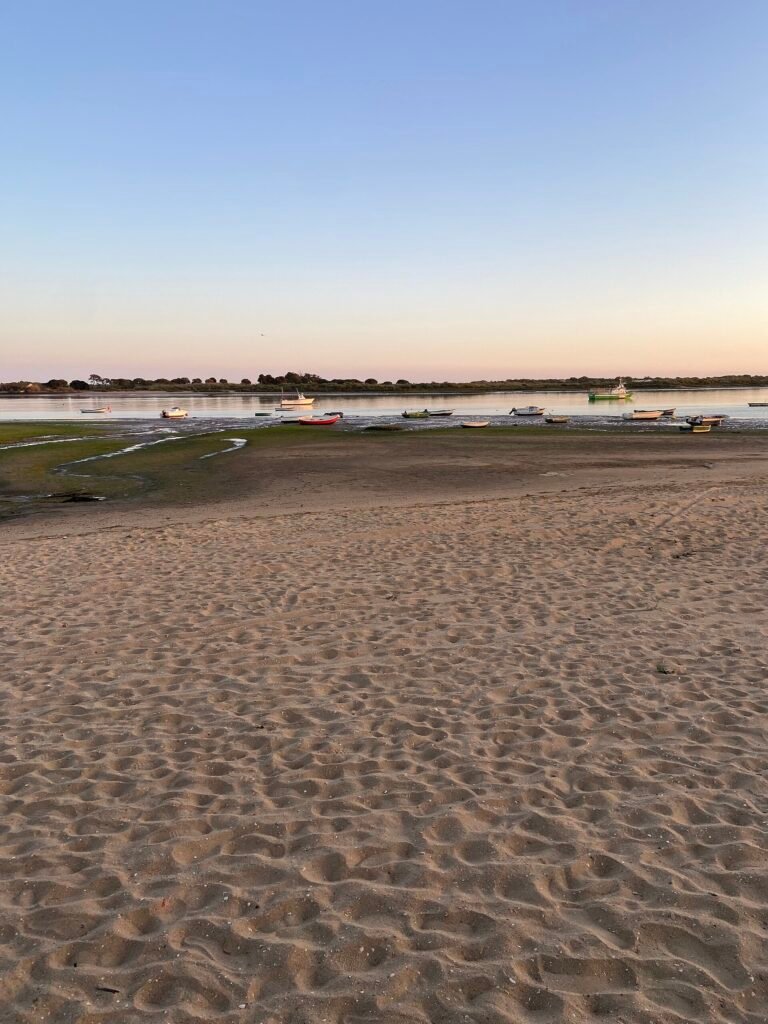
El Rompido, in Cartaya municipality, stands beside the Río Piedras estuary and is known for its fishing-village setting and the long sandy Flecha de El Rompido across the water. It offers a more landscape-focused stay than a conventional sea-facing resort strip.
Its appeal is watching boats, enjoying local food and exploring the shore environment. If your main goal is to swim on the ocean-facing spit, that typically involves a boat crossing when seasonal services are available; the village waterfront is a different experience.
Best for: Couples, river views and quieter evenings. Check: Whether seasonal crossings and your preferred beach access are operating; do not attempt to swim across the channel.
El Portil and Nuevo Portil: beach plus wetland nature
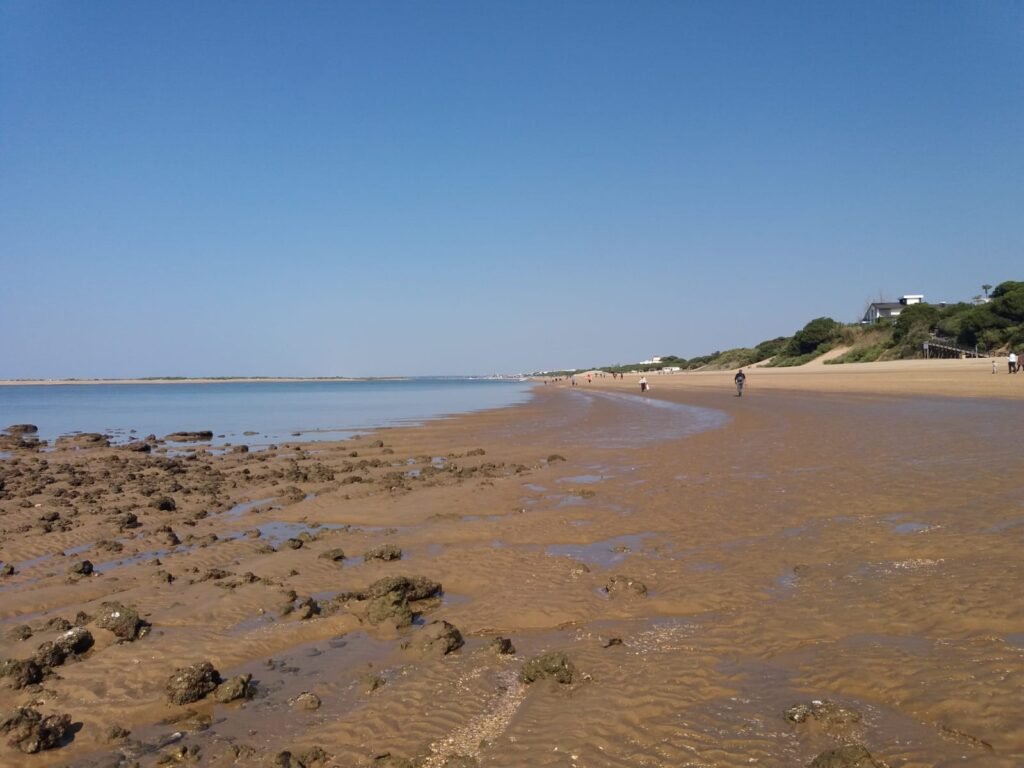
El Portil and Nuevo Portil lie near the Laguna de El Portil and coastal pine-and-dune landscapes. Both can suit visitors who want a slower beach holiday, with opportunities for walks and wetland observation nearby. These names refer to distinct neighbouring areas, associated with the municipalities of Punta Umbría and Cartaya respectively.
An apartment near one beach entrance may feel quite different from a property near another stretch of road. Check transport, shops and food options carefully, especially beyond summer.
Best for: A quieter coastal base with nature close by. Check: Exact location, access to the beach and how you will manage meals and local travel.
Punta Umbría: convenient and active coastal town
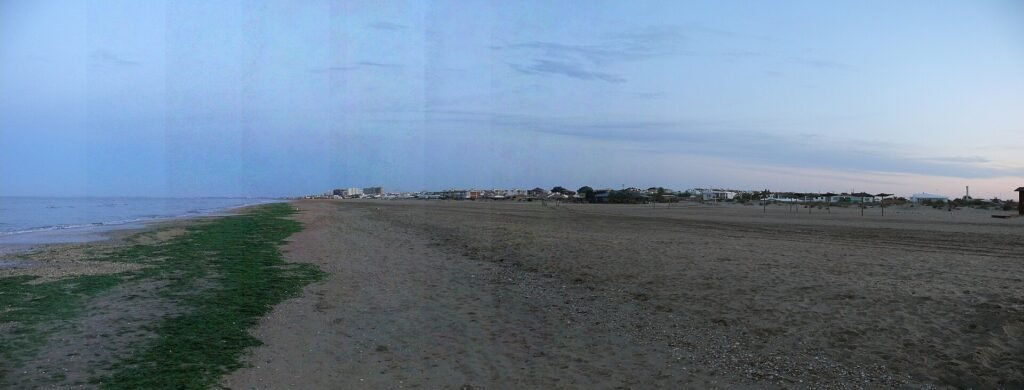
Punta Umbría is one of the province’s clearest examples of a town where summer beach life and a fishing identity sit side by side. Its broad sands, food options and established visitor infrastructure make it convenient if you want a beach holiday without giving up every urban amenity.
As with any long beach, the choice of entrance and neighbourhood affects your experience. A quieter end of the beach may require a longer walk from restaurants or shops.
Best for: Families, groups and visitors who want a lively but genuine coastal base. Check: Seasonal beach services, parking restrictions and walking distance to the sea.
Mazagón: pinewoods, dunes and a spread-out coast
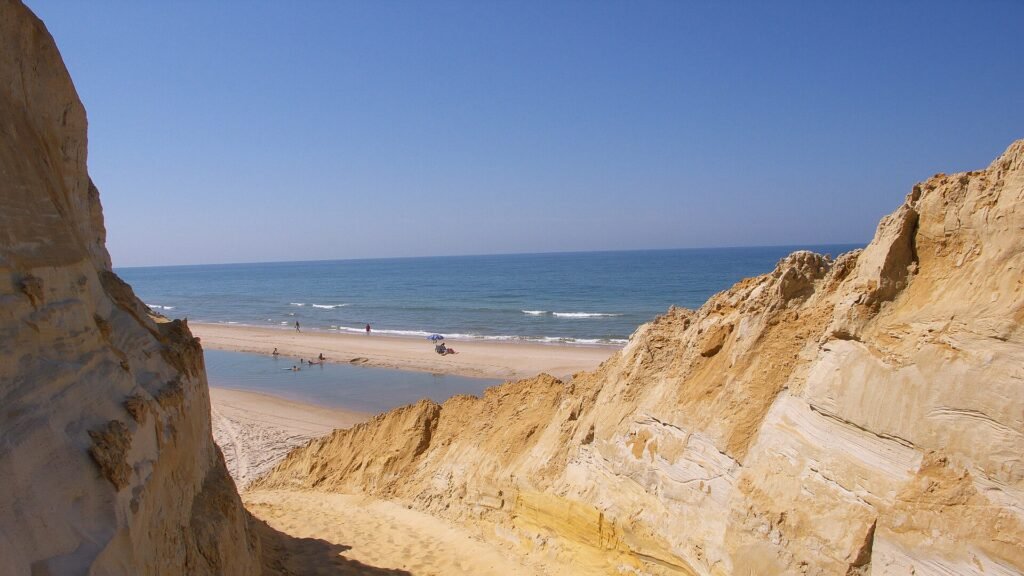
Mazagón sits amid pinewoods, sandy beaches and access routes towards the eastern coast. Its identity is more dispersed than that of a compact old fishing town. Importantly, the Mazagón locality extends across the municipalities of Moguer and Palos de la Frontera.
Choose accommodation based on whether you prefer nearby amenities or a landscape-oriented base close to forest and beach. Some locations that appear nearby on a map may not be comfortable walks in hot weather.
Best for: Beach-and-nature trips, travellers with a car and those comfortable with a more spread-out destination. Check: Exact locality and access road rather than relying only on “Mazagón” in the listing.
Matalascañas: a resort on the Doñana edge
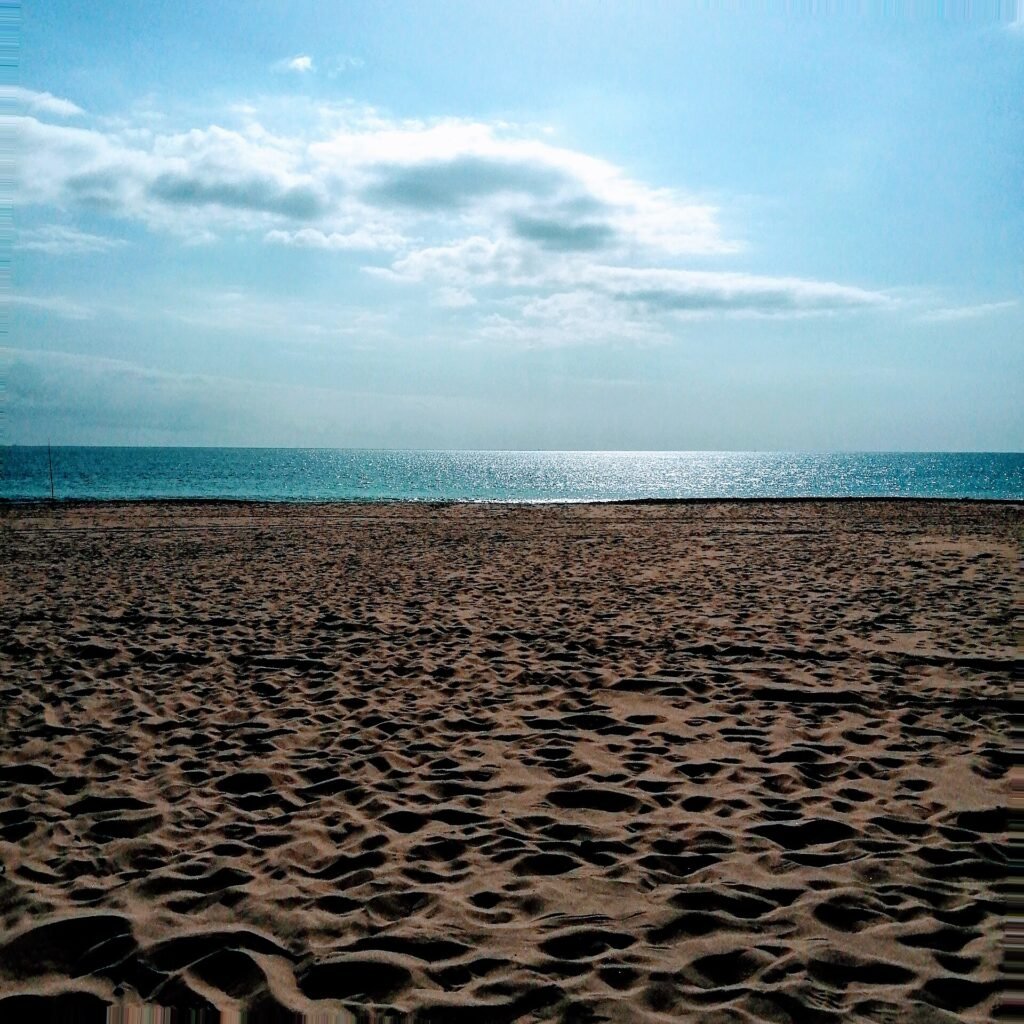
Matalascañas belongs to Almonte municipality and is a well-known Atlantic beach destination near Doñana. For travellers who want a seaside base with the possibility of planning authorised nature visits, this geographical position can be attractive.
The beach resort and Doñana’s protected interior must not be conflated: staying nearby does not grant freedom to drive into the national park. Public visitor facilities and permitted routes have their own access arrangements.
Best for: Beach holidays paired with carefully planned Doñana experiences. Check: Seasonality, local transport and which visitor centre or guided experience you actually intend to use.
How to choose the right coastal base
For a town-centre atmosphere: Ayamonte or Isla Cristina. For resort-style convenience: Islantilla or Isla Canela. For a balance of services and a sizeable beach town: Punta Umbría. For river-mouth scenery: El Rompido. For woodland and dunes: Mazagón or the El Portil area. For a beach near Doñana: Matalascañas.
No area is automatically best for everyone. Compare the actual accommodation address, travel season, proximity to the beach and whether you will have a car. It is safer to choose a location you can understand than to book something labelled “near Huelva beach” and discover that the nearest useful beach access is much farther away than expected.