The most useful question when choosing accommodation in the province of Huelva is not “Which hotel is best?” but “What sort of holiday am I having?” The province stretches from the sandy Atlantic coast to wooded hills and inland mining towns. Staying in the wrong place can turn a relaxed trip into an exhausting series of drives.
Below are eight bases with different strengths. This is a guide to areas and accommodation styles, not a live hotel ranking. Specific room rates, parking spaces, accessibility features and availability should always be confirmed with the property before booking.
1. Huelva: the practical city base
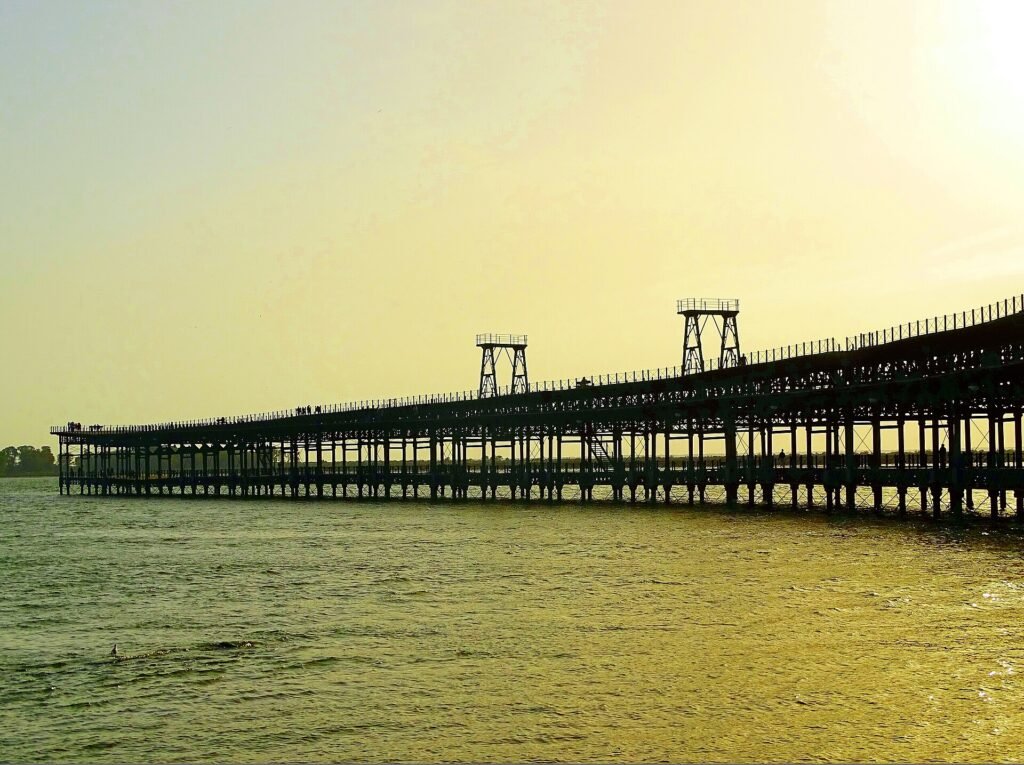
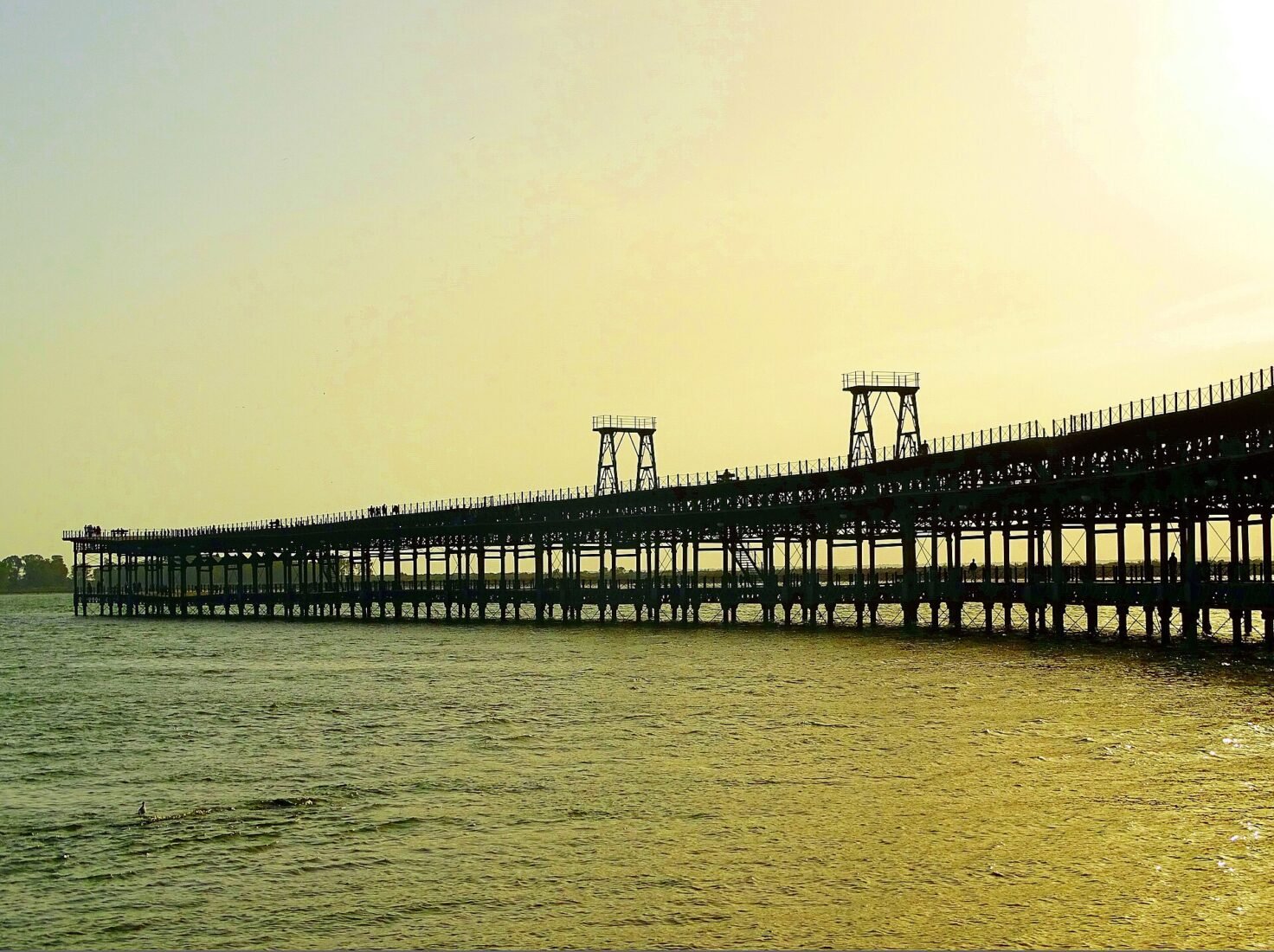
Huelva is the most straightforward base if your trip combines restaurants, city culture and nearby heritage. It suits travellers who want an urban evening after visiting museums, the waterfront or the Columbian sites.
Look around the centre if you value walking to food and cultural venues; consider the station area only after checking the particular street and onward transport you need. A hotel with clearly described parking can be worth more than a supposedly central address if you are driving every day.
Before you go: The city is not on the main resort beach. Trips to Punta Umbría, Doñana or the sierra are separate journeys; no single base eliminates them.
2. Punta Umbría: a classic Atlantic beach holiday
Punta Umbría makes sense when you intend to spend most days around the beach and seafront. The promenade and coastal atmosphere provide a more holiday-oriented rhythm than Huelva’s working city centre.
Choose between being close to the main beach and staying on quieter streets farther from the busiest stretches. An apartment may suit families wanting flexible meals, while a hotel may be easier for a short break.
Before you go: Check walking distance to the actual beach access—not just a straight-line map pin—and ask about summer traffic, parking and seasonal facilities.
3. El Rompido: a small-scale waterside stay
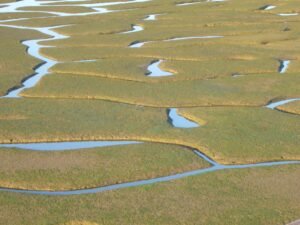
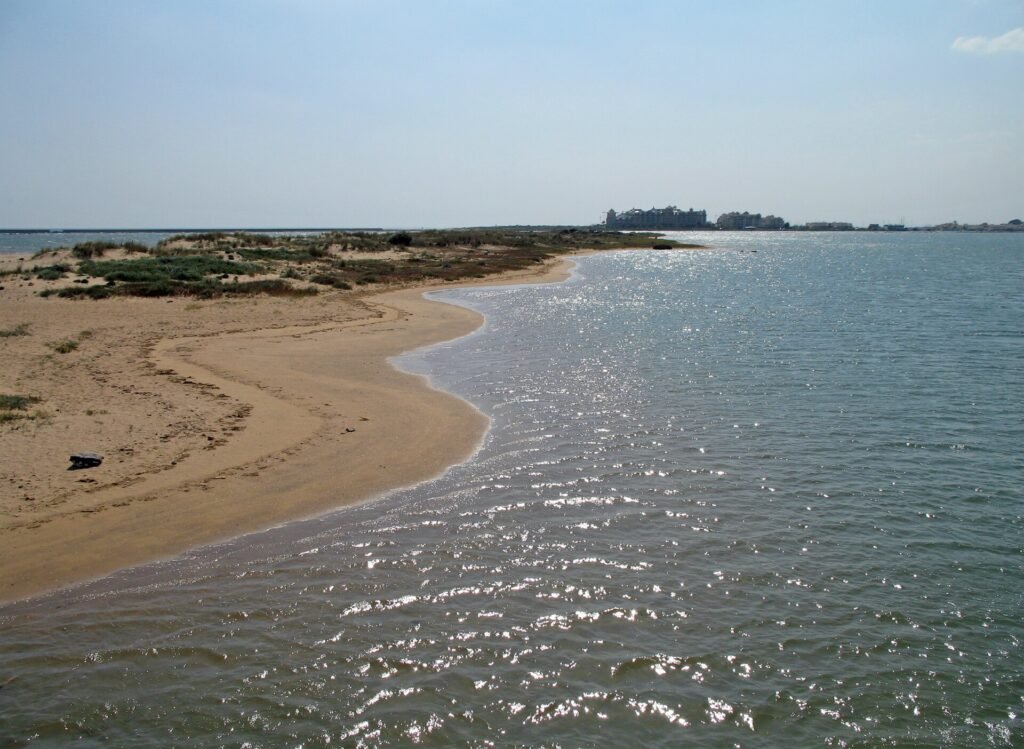
El Rompido, in Cartaya municipality, suits travellers looking for a harbour-and-estuary setting rather than a busy resort strip. The tidal landscape and village feel are its main attractions.
It is a good option for a couple or anyone who wants walks, a relaxed meal and nature time. The beaches of the Flecha del Rompido are separated from the village by the Río Piedras, which changes how you plan beach access.
Before you go: Do not assume accommodation beside the estuary means walking directly onto the ocean beach. Ask about seasonal boat connections and whether your property requires a car.
4. Isla Cristina: beaches plus fishing-town character
Isla Cristina appeals to visitors who want both broad beaches and a town with strong maritime traditions. It can feel less like a single-purpose holiday development than a location built around fishing and local life.
Staying nearer the main town gives access to shops and everyday services; a beachside location offers a more resort-oriented routine. Decide which matters more before choosing a property.
Before you go: Verify distances to the shore and the port separately. A hotel described as “Isla Cristina” is not automatically a beachfront stay.
5. Ayamonte and Isla Canela: two different moods in one municipality
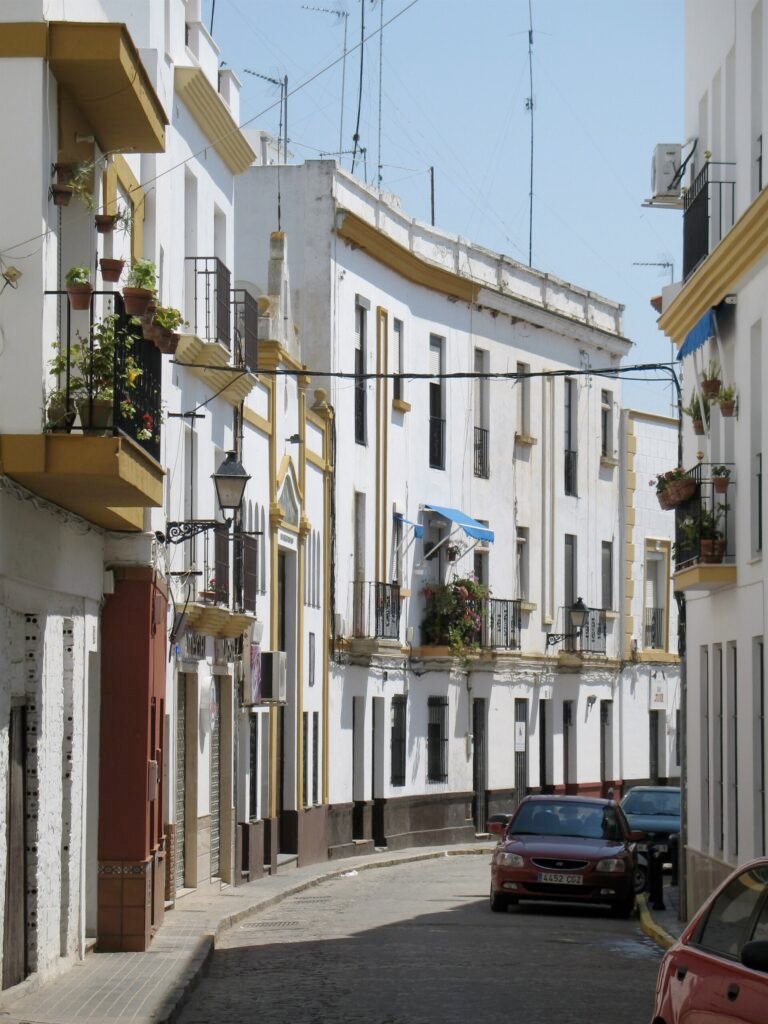
Ayamonte’s old town has plazas, churches and views over the Guadiana to Portugal. Isla Canela is the beach-focused part of the same municipality. A trip to one should not be confused with staying in the other.
Choose central Ayamonte for cafes, walks and the border-river atmosphere; choose Isla Canela or Punta del Moral when the sand and seaside facilities are the holiday’s centre of gravity.
Before you go: Check the transfer distance between the town and your coastal accommodation. If you plan cross-border travel, verify the transport service instead of depending on an assumed ferry schedule.
6. El Rocío or Matalascañas: two approaches to Doñana
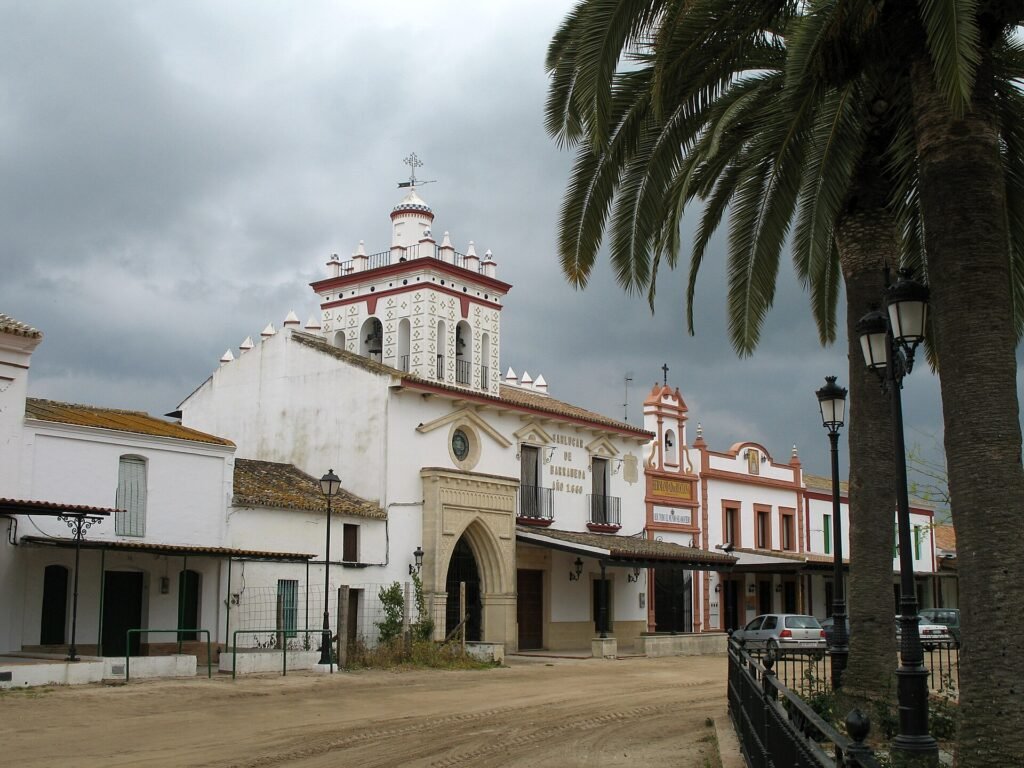
El Rocío is a distinctive base for visitors interested in the sanctuary, local traditions and nearby Doñana interpretation routes. Matalascañas, also in Almonte municipality, is much more beach-oriented.
El Rocío suits a short wildlife-focused or cultural stay; Matalascañas works better for a family beach holiday with a possible nature day. There is no single answer that is best for everyone.
Before you go: Some protected areas require official access or a guided visit. Doñana’s La Rocina centre can be reached on foot from El Rocío, but the other visitor centres are farther away. Pilgrimage dates can transform the local availability.
7. Aracena and the Sierra: rural hotels and slow travel
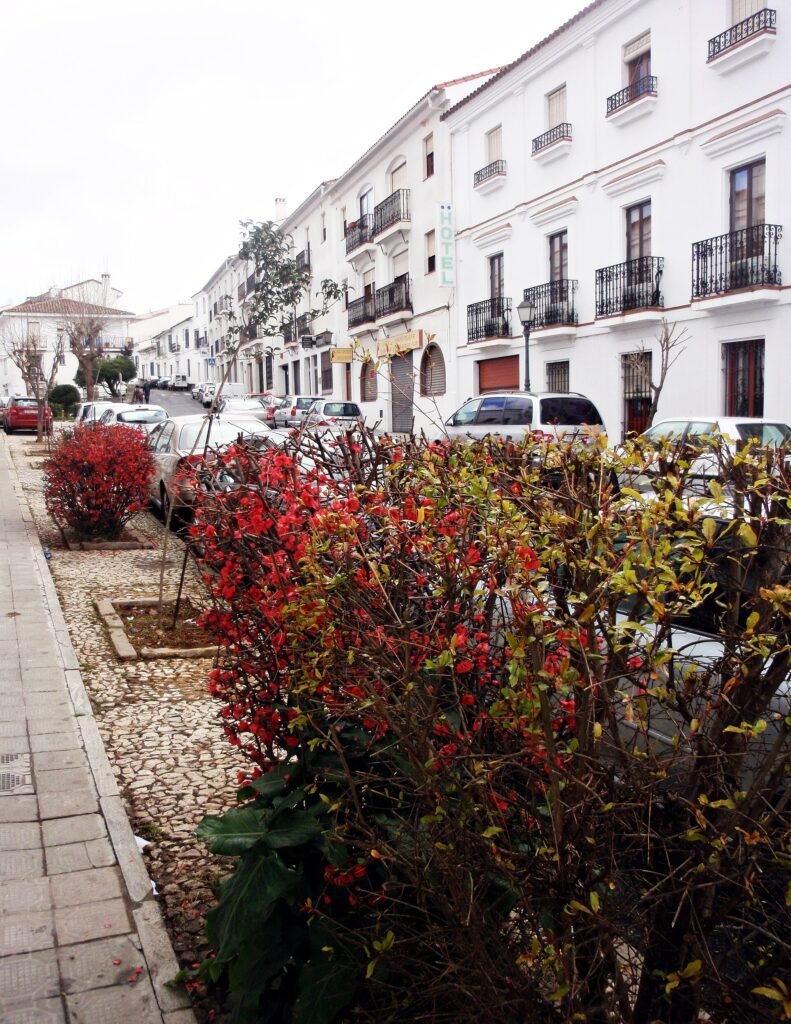
Aracena provides restaurants, services and a major attraction in the Gruta de las Maravillas, making it a useful base for the wider Sierra de Aracena and Picos de Aroche. Smaller villages can offer a quieter, countryside-first stay.
If you want to visit several villages and take walks, compare a base in Aracena with rural accommodation near Alájar, Fuenteheridos or Almonaster. The smaller properties may be lovely, but their location and access matter more than a scenic photo.
Before you go: Ask whether the route to the property is paved, whether there are stairs, and how far the nearest evening meal is. Do not assume public transport will link rural villages conveniently.
8. Minas de Riotinto: a specialist heritage stop
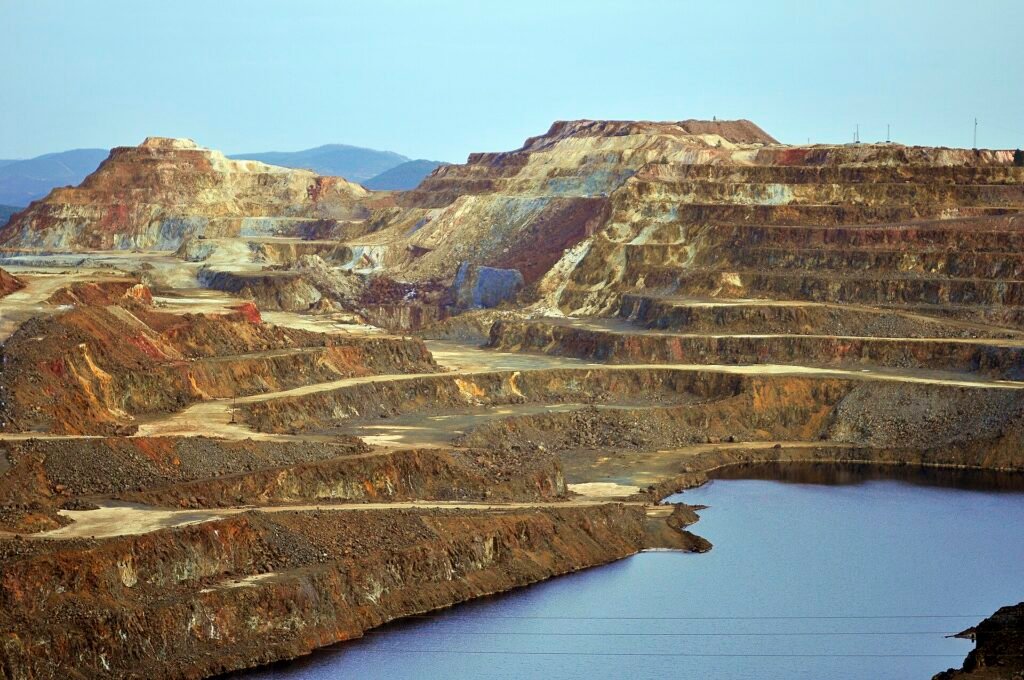
A night in or near Minas de Riotinto may be worthwhile if you want to enjoy several mining-park activities without rushing back to the coast. It is more a targeted heritage base than an all-purpose beach holiday location.
Choose it for industrial history, the heritage railway or a slower exploration of the mining landscape. Confirm meal options and the exact start point of the activities you have booked.
Before you go: The mine experiences are spread out, including Peña de Hierro in Nerva. Check location and driving logistics; staying “near the mines” does not necessarily put everything within walking distance.
Choosing your accommodation without surprises
If you will not have a car
Prioritise an established town centre with the specific public transport connections you need. Huelva is a logical starting point for urban facilities, but reaching rural attractions or nature visitor centres may still require planning. Never select a remote country house on the assumption that a taxi or bus will always be available.
Questions worth asking before paying
- Is the accommodation actually in the town, on the beach, or several kilometres outside it?
- Is parking guaranteed, paid, on-street or unavailable?
- Are air-conditioning, heating and lifts present in the specific room?
- What is the cancellation policy, and are local taxes or extra fees included in the final price?
- Does the host provide an exact location, legitimate booking terms and any legally required registration details?
- Are the restaurants and services you expect open in your travel season?
For a first visit with a rental car, two bases often work better than one: a coast/city base and a few nights around Aracena. For a pure beach holiday, staying near the coast and taking an occasional day trip usually makes more sense than constantly changing hotels.
When your travel dates change the answer
During summer holidays, coastal areas can be lively and in high demand, while inland afternoons may be very hot. In cooler months the sierra is attractive for walks and food, though some countryside businesses have restricted opening days. During the El Rocío pilgrimage, the character and logistics of the village change completely. Choosing an area should be tied to the season and purpose of your stay, not only to a flattering accommodation photograph.
One base or two?
A short weekend calls for one base: either near the coast or in the sierra, depending on your interest. On a week-long trip, you can spend part of the time by the sea and part around Aracena; that reduces repeated long drives and lets you experience the province after day-trippers have left. Think of location as part of the holiday rather than a logistical detail.