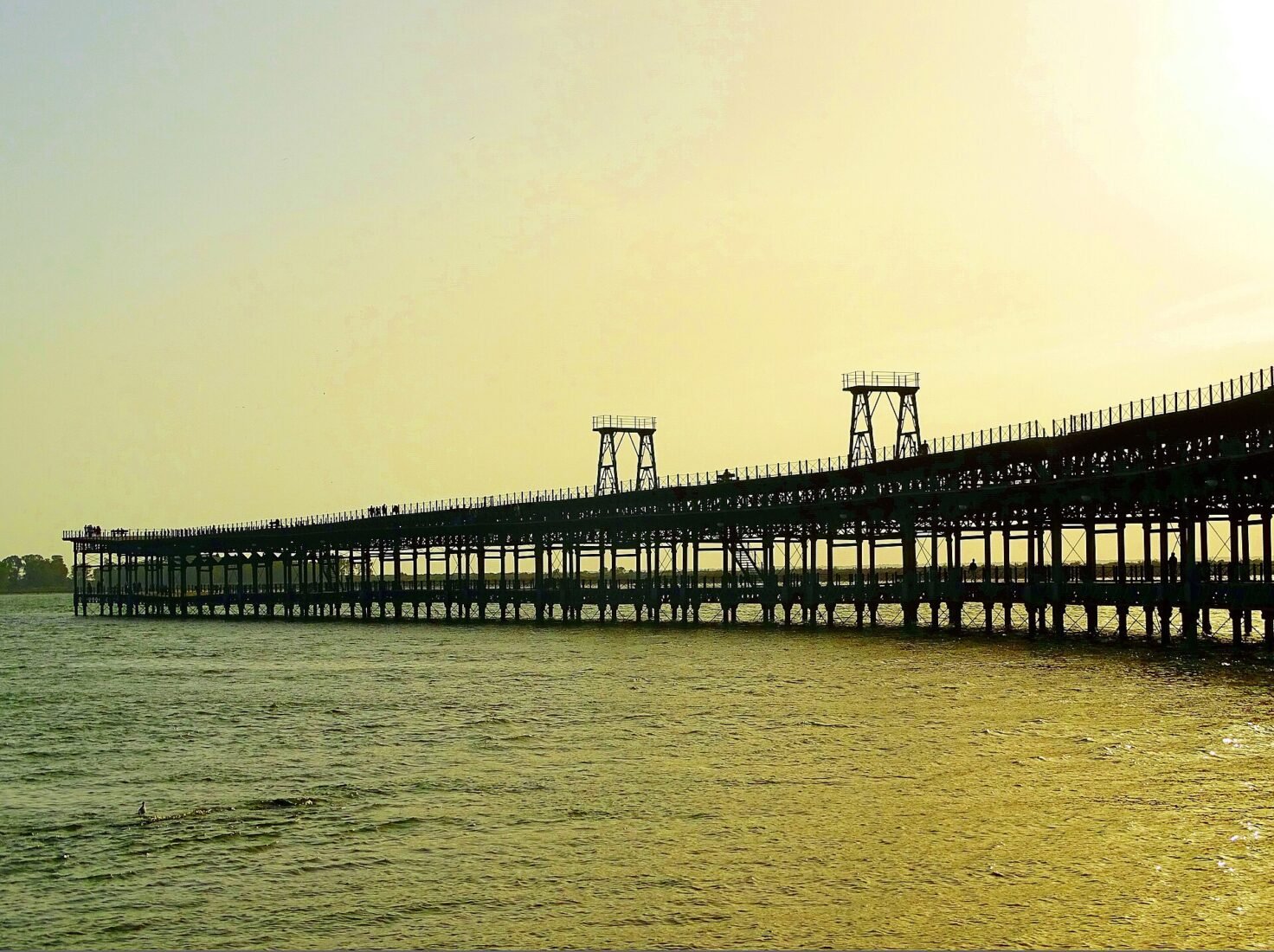
The province of Huelva is made for a road trip that changes scenery rather than simply accumulates attractions. On this five-day route you start beside the Odiel estuary, encounter the Columbian heritage sites, reach the protected landscape of Doñana, head inland to the Río Tinto mines, climb into the Sierra de Aracena and finish near the Guadiana and Atlantic coast.
This is a self-drive route. It assumes a car, five days on the ground and a willingness to change accommodation. It is not a package itinerary or a promise that every museum will be open when you arrive. Reserve the cave, mine experiences and any organised Doñana tour first. The route deliberately leaves some famous destinations—such as a full visit to Niebla—off the main schedule to avoid turning the holiday into a series of missed booking slots.
Day 1 — Huelva, La Rábida and Moguer: understanding the estuary
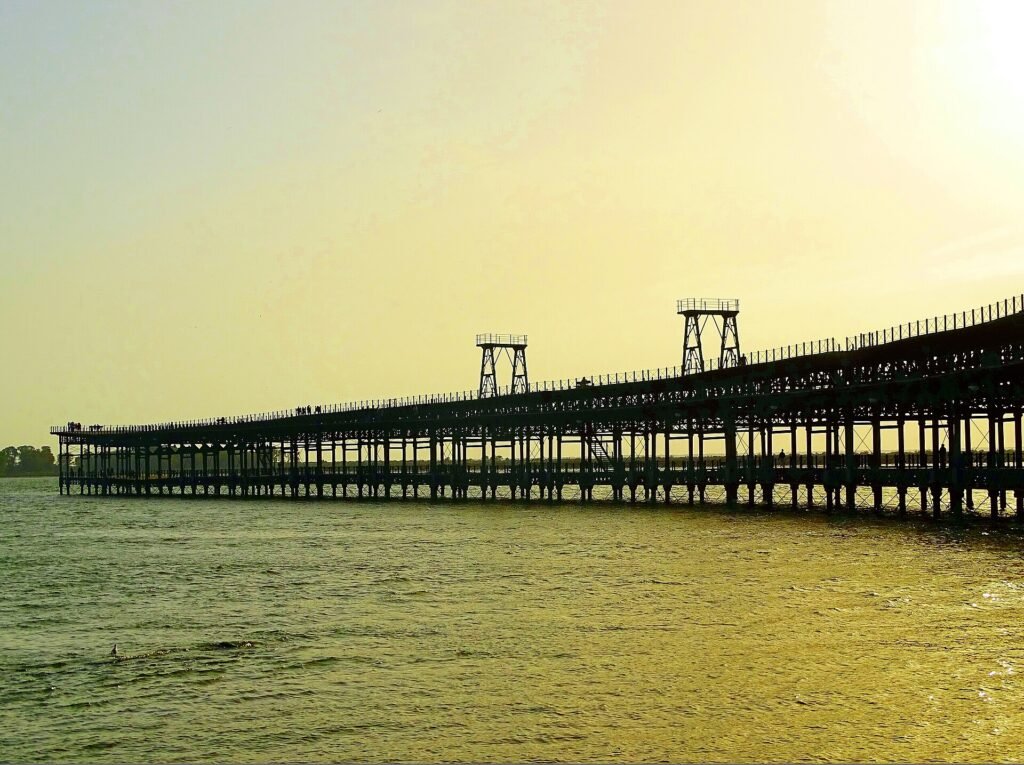
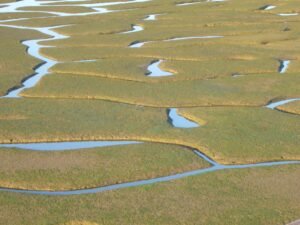
Begin in Huelva itself. The former Río Tinto loading pier provides an introduction to how inland resources once travelled down to the water. A walk along the estuary is a useful way to orient yourself before driving to the nearby historical sites.
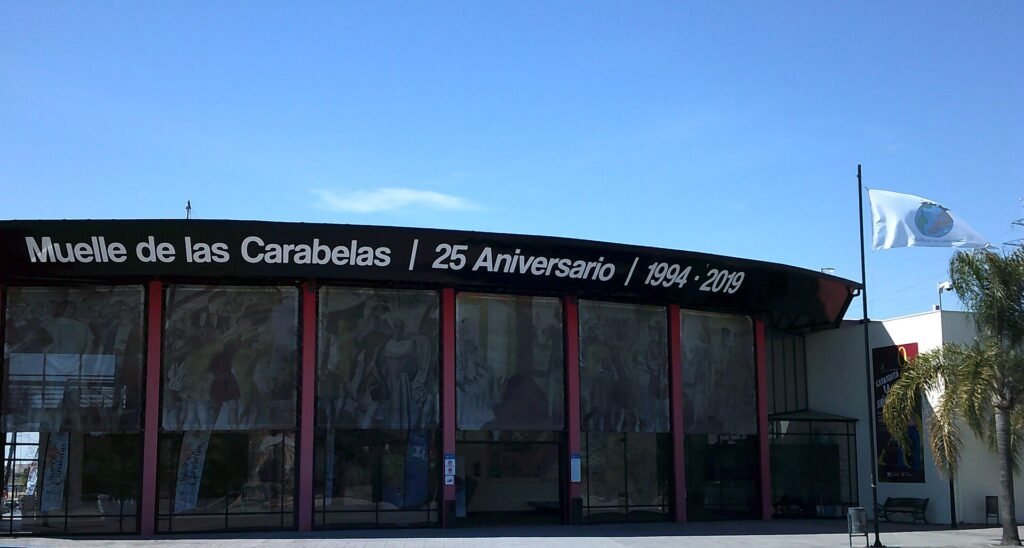
Continue to the Monastery of La Rábida and the Muelle de las Carabelas in Palos de la Frontera municipality. The monastery and reconstructed ships offer different perspectives on preparations for the first Columbus voyage. This is history worth approaching thoughtfully, including its consequences for Indigenous peoples across the Atlantic.
Spend the later part of the day in Moguer. Its connection to Juan Ramón Jiménez and the Zenobia and Juan Ramón Jiménez House-Museum gives the afternoon a different focus from ships and navigation. If the museum is closed, enjoy the streets and historic buildings rather than crossing town at speed.
Where to sleep: Huelva offers the broadest city-base experience for this first night. Moguer is an alternative if you want an earlier start south-east the next morning.
Booking decision: If your arrival time is late, choose only the pier and one of the Palos attractions; the day should still feel like the start of a holiday.
Day 2 — El Rocío and the edges of Doñana: slow down
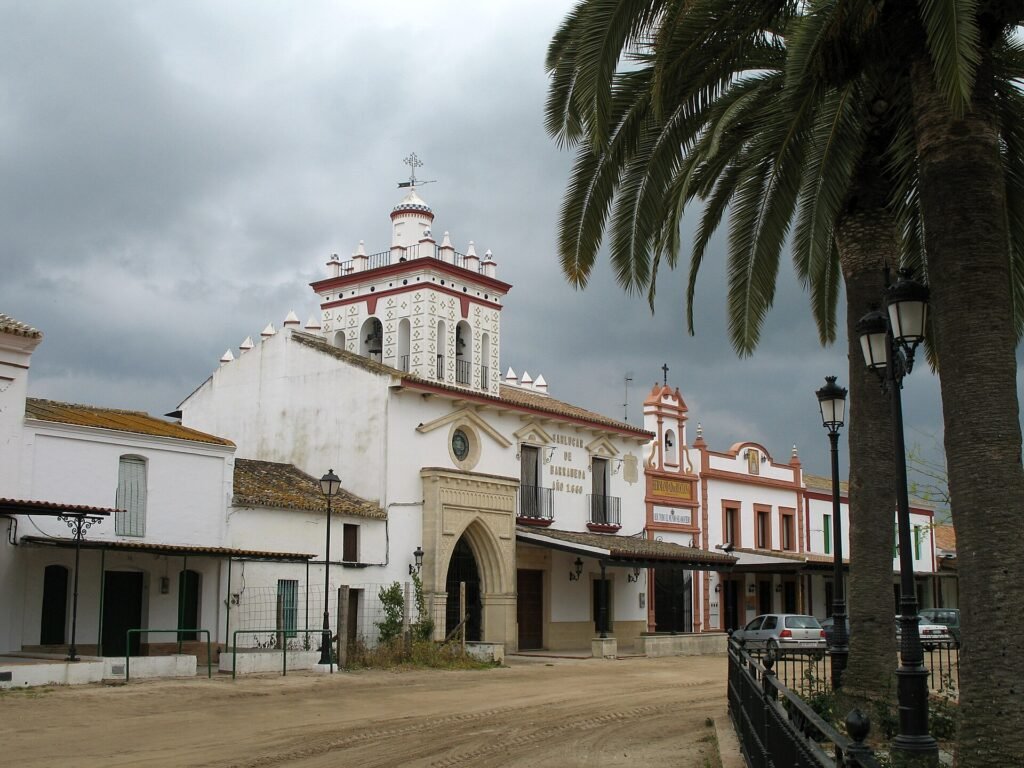
Drive towards El Rocío, in Almonte municipality. Its sandy streets and sanctuary are distinct from Huelva’s urban waterfront. Take time to understand the place as a living religious community, not a staged Wild West town; the pilgrimage that transforms it each year is central to its identity.
For nature, start at the La Rocina visitor centre, which is accessible on foot from El Rocío. It provides interpretation and permitted walking routes. The wetland landscape changes with seasons and rainfall, so wildlife watching is about attention and chance rather than guaranteed sightings.
If you want a longer guided Doñana experience, book an authorised operator in advance and organise the day around its departure. Do not attempt to drive your own car through restricted areas of the national park. Matalascañas is a possible coastal detour, but only if your nature visit has been short.
Where to sleep: El Rocío or Almonte keeps the following morning flexible. Check access around the pilgrimage dates; both crowds and road arrangements can change considerably.
Day 3 — Río Tinto: the province’s industrial heart
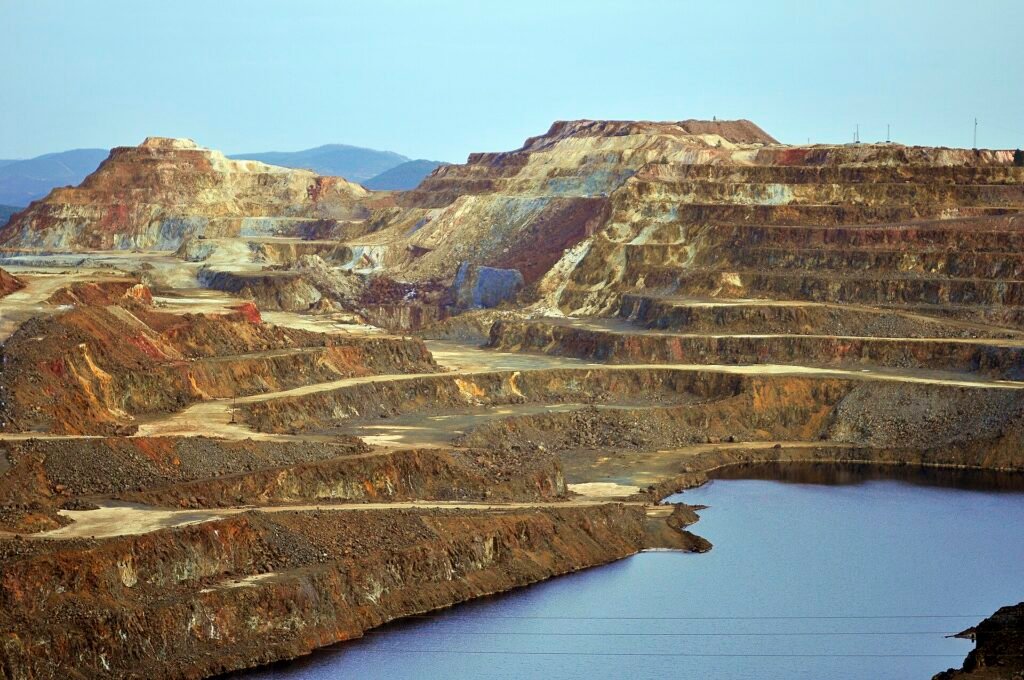
Today shifts the focus from marshes to mines. Drive inland to the Riotinto Mining Park and treat it as the day’s major attraction. The museum, heritage railway, Casa 21, Peña de Hierro and Corta Atalaya are distinct experiences, often with different start times and access arrangements. A combined visit is not a single quick admission.
Choose a package you can realistically complete and follow the operator’s schedule. The heritage railway reveals how transport connected mining operations to the valley; the museum and Casa 21 add human and industrial context. Peña de Hierro, if included, is in Nerva and requires a separate drive from the main museum.
There is a tempting detour via the walled town of Niebla. If you have made a full mining reservation, leave Niebla for another holiday or use it only for a brief exterior stop. Trying to do its castle properly and the complete mining park in one day creates more pressure than pleasure.
Where to sleep: Minas de Riotinto is practical if you want an unhurried finish; Aracena is a sensible base if you prefer to head toward the next day’s activities once you have finished.
Day 4 — Aracena and Almonaster: underground and hilltop
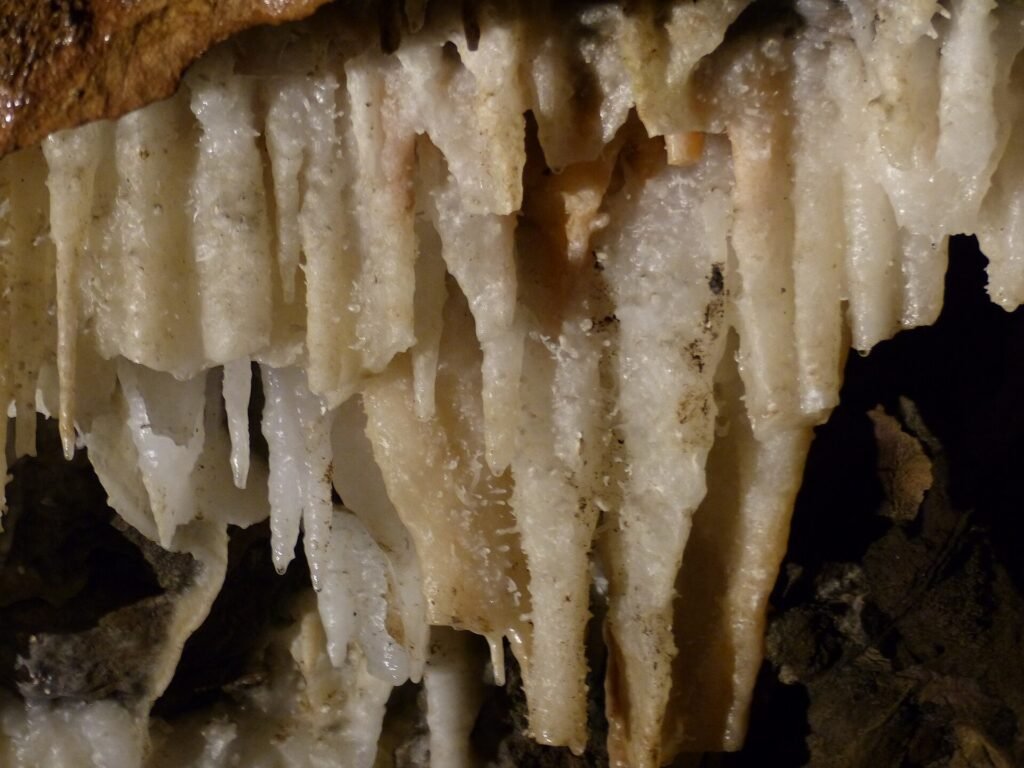
Reserve a timed visit to the Gruta de las Maravillas in Aracena. The underground chambers and mineral formations are unlike anything else on this route, and the town itself has enough streets and viewpoints to justify a substantial stop.
Have lunch in Aracena and allow time to appreciate the regional food traditions, particularly the culture surrounding cured Iberian ham. The castle hill gives perspective on the wooded sierra, but you do not need to climb every staircase to have a rewarding visit.
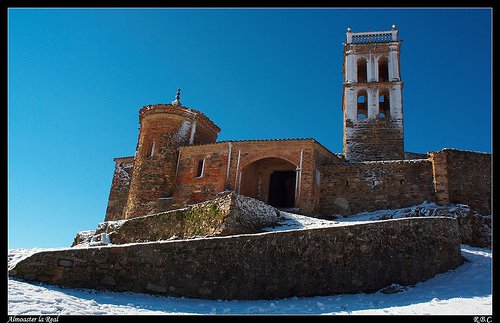
In the afternoon, continue to Almonaster la Real if energy and opening arrangements permit. Its mosque within the fortified hilltop precinct offers a quieter historical counterpoint to the mining and maritime heritage of earlier days. If your cave visit runs late, keep Almonaster for another trip; winding mountain roads make rushing less attractive.
Where to sleep: A rural guesthouse or hotel around Aracena or Almonaster is a good way to enjoy the sierra in the evening. Confirm parking and arrival arrangements beforehand.
Day 5 — Down to the Guadiana: Ayamonte and the coast
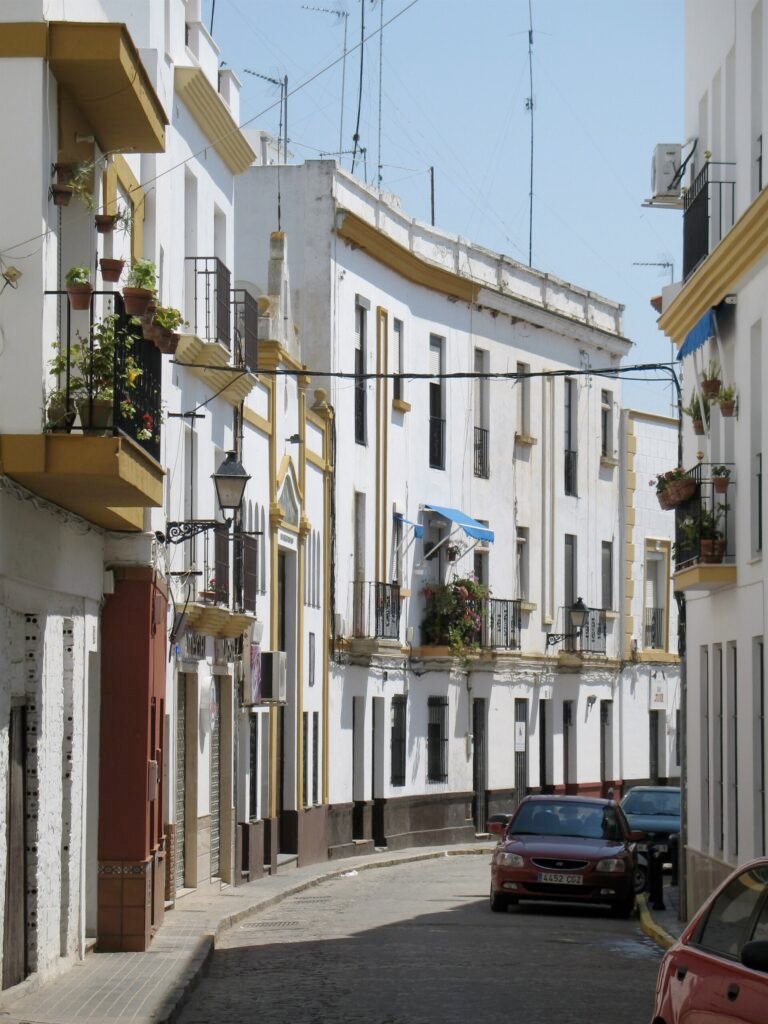
Leave the hill country and travel towards Ayamonte, where the Guadiana marks the Spanish-Portuguese border. After days of caves, mine workings and protected landscapes, the riverside setting and old-town streets make a natural change of pace.
Walk through the centre and along the water. If you want an Atlantic finish, continue to Isla Canela (within Ayamonte municipality) or make a separate visit to Isla Cristina and its beaches. Choosing one coastal area is better than spending the last afternoon hopping from car park to car park.
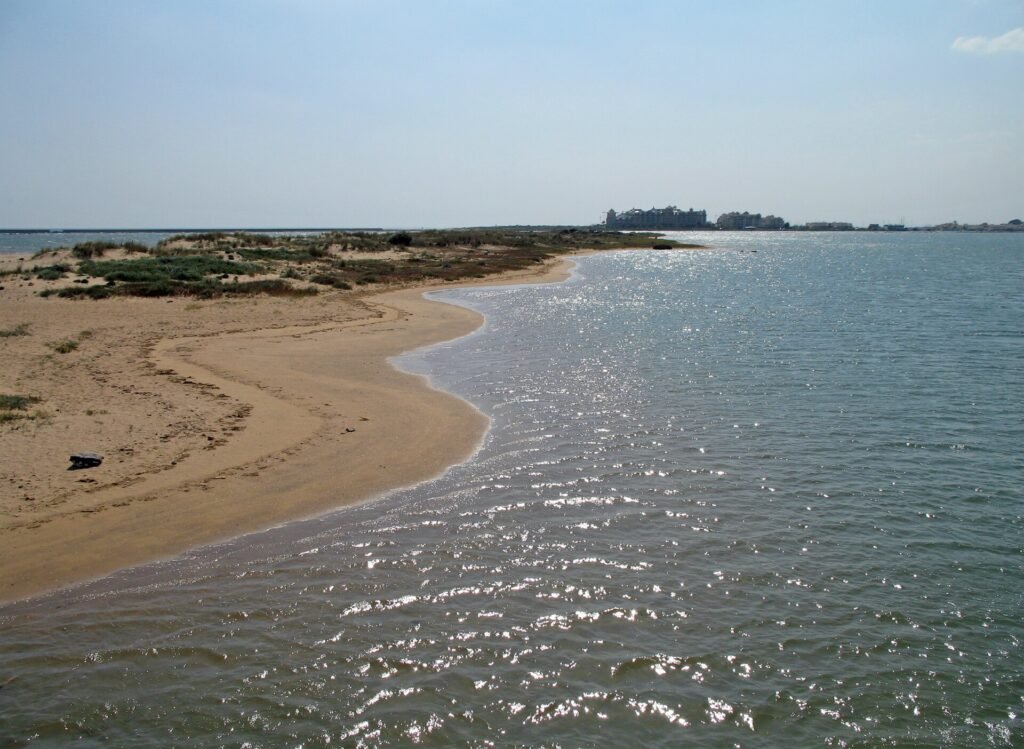
Where to finish: Stay near Ayamonte or the western coast for an extra beach night, or return to Huelva after leaving a comfortable margin for the drive. If your onward journey starts in the morning, consider travelling to your departure area the previous evening.
Seasonal note: Seafront restaurants, beach equipment and organised boat services vary by season; verify the specific service rather than assuming summer schedules all year.
Planning the five days
What to book first
- Choose a visit slot for Aracena’s cave.
- Select the actual Riotinto Mining Park combination and check the timed sequence.
- If you want a guided Doñana excursion rather than a free visitor-centre walk, reserve through an authorised provider.
- Then choose overnight stays that keep the route comfortable.
If you have to shorten the route
With only four days, drop either the full Doñana day or the western coast, depending on whether wildlife or seaside time matters more. With six days, use the extra day for Niebla and a slower Sierra de Aracena visit. In the summer, reduce afternoon outdoor commitments; in cooler weather, leave time for walking.
This itinerary is deliberately one-way in spirit, ending near the Portuguese border. It is not the shortest possible circular route from Huelva. If you need a round trip to the same base every night, plan around regional clusters instead of copying this hotel sequence.
What to pack for the route
Bring shoes comfortable on stone streets and uneven paths, a light layer for cooler cave interiors, sun protection, drinking water and a way to navigate if mobile reception becomes unreliable on rural roads. If you enjoy wildlife, binoculars add more than an ambitious list of animal sightings. Carry booking references and check the actual visitor entrance, not only the centre of the municipality.
Who this itinerary suits
The five-day sequence is best for travellers who enjoy heritage and landscapes as much as the coast. Families with young children may prefer fewer stops or two fixed bases. If the beach is your main priority, add a night near Isla Cristina or Ayamonte and shorten the inland component rather than making every afternoon a long transfer.