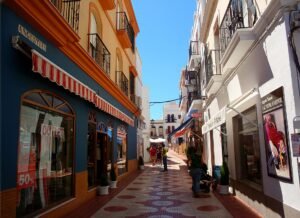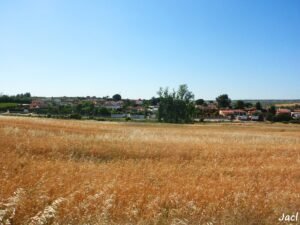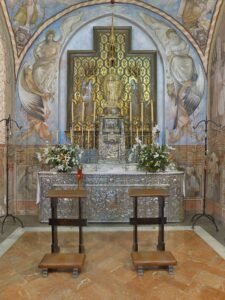
The province of Huelva is best understood as several landscapes that happen to share one name. On the Atlantic edge are fishing towns, low dunes and broad sandy beaches. Inland, the Río Tinto mining district cuts through red and ochre earth. Farther north, the Sierra de Aracena and Picos de Aroche has woodland, villages and a distinctly slower rhythm. And to the east, the marshes of Doñana demand a different sort of attention: binoculars, patience and respect for protected access.
These twenty places are a deliberately varied starting point, not a ranking based on visitor counts. Some are quick outdoor stops; others deserve reservations or a whole day. Several are in the province rather than Huelva municipality. Use the location links to see the distances and choose a cluster instead of treating this as a single-day checklist.
1. The Río Tinto loading pier in Huelva
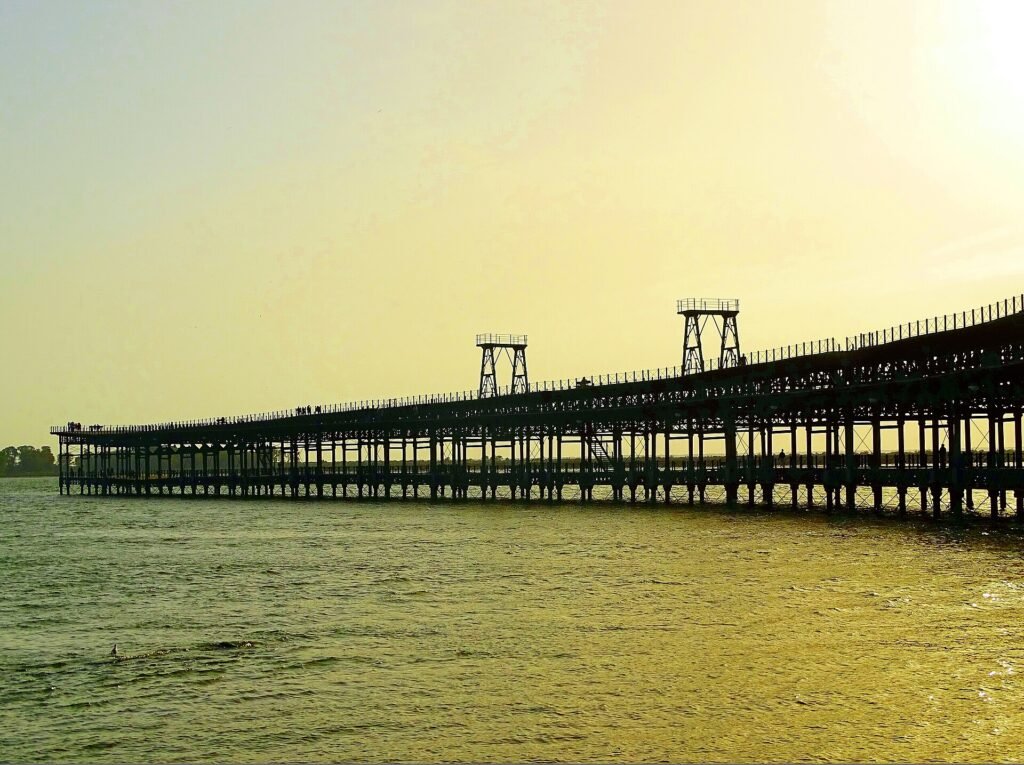
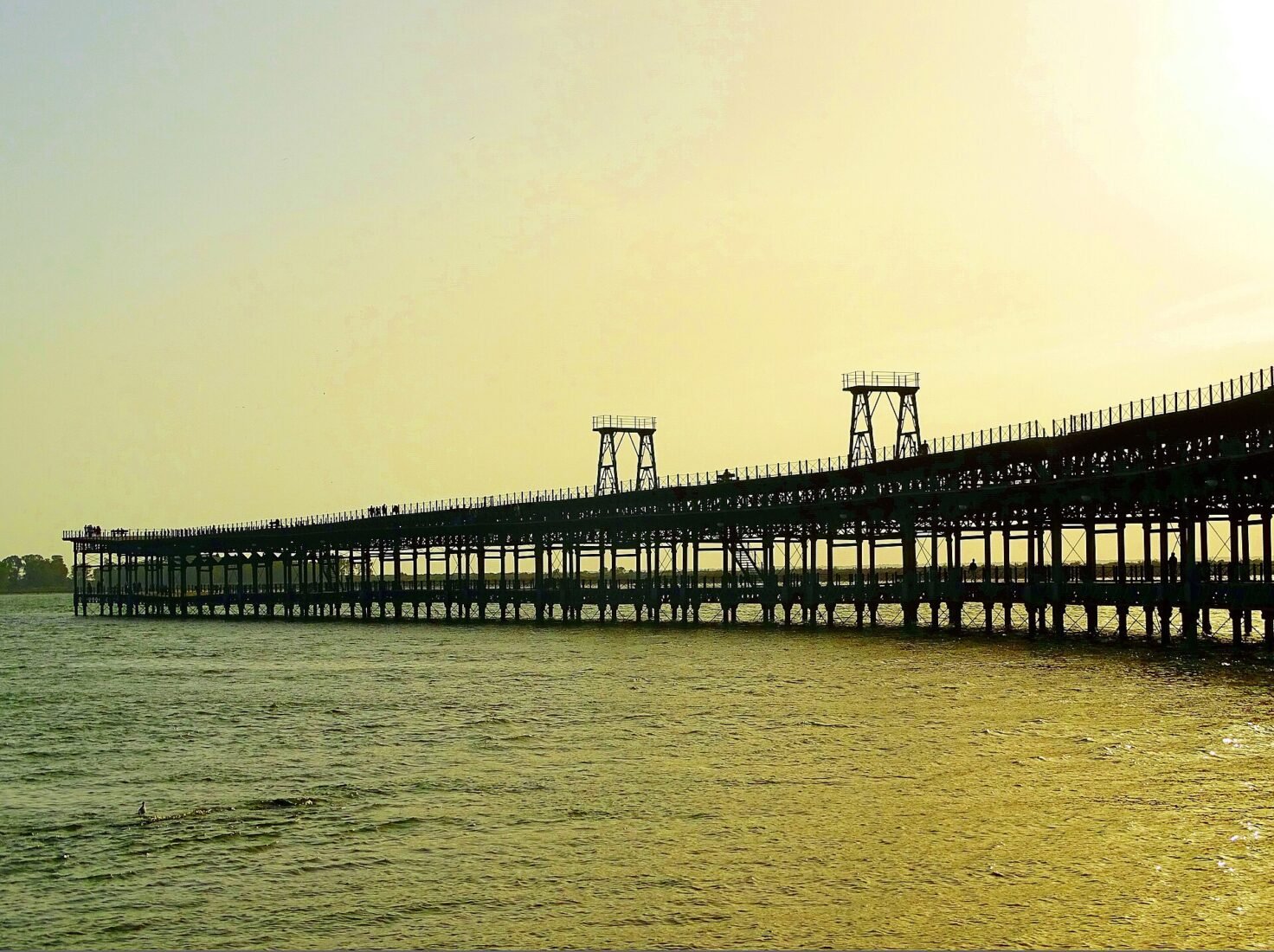
The former ore-loading pier reaches out over the Odiel estuary in a long sweep of iron and timber. It tells a story the usual old-town walking tour cannot: how industrial railways connected inland mines to ships and the wider world.
Walk along the public riverside area to examine the structure from different angles, then look back toward the city and its waterfront. The pier is a satisfying first stop precisely because it raises questions about the rest of the province.
Before you go: Stay in designated public areas and check any temporary closures or works. Late-day light can bring out the structure’s silhouette.
2. La Rábida Monastery
Near Palos de la Frontera, the Franciscan monastery is closely linked with preparations for Columbus’s first Atlantic voyage. Whatever your view of that history, the site is an important place to consider the ambitions and consequences of European expansion.
The monastery offers a quieter, more contemplative counterpoint to the replica vessels nearby. Focus on its courtyards and historic setting rather than expecting a large museum attraction.
Before you go: Check current access and any religious or conservation restrictions; La Rábida is in Palos de la Frontera municipality, not Huelva.
3. Muelle de las Carabelas
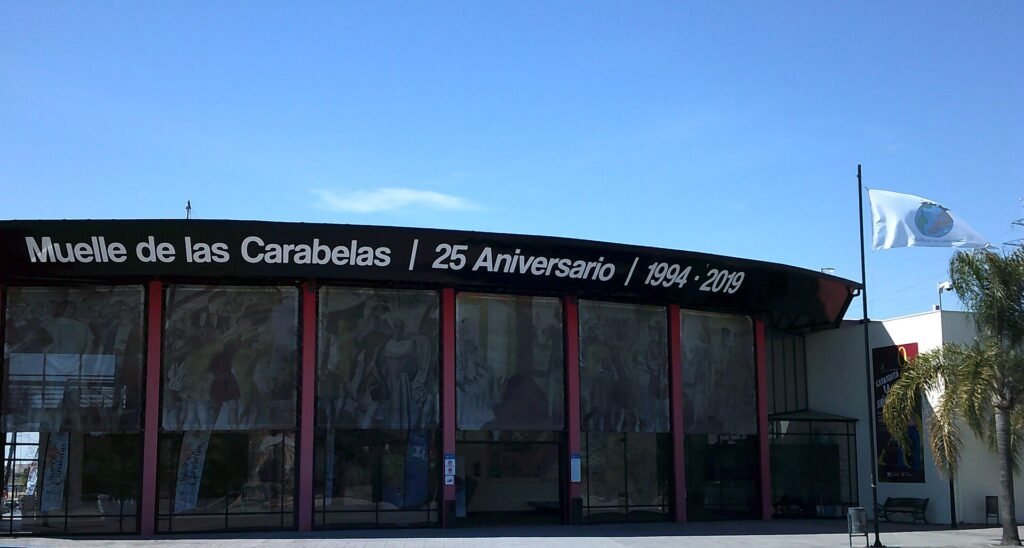
The reconstructed ships at La Rábida put some physical scale on the 1492 voyage. Standing beside replicas of the vessels is quite different from reading about the crossing on a wall panel.
This is particularly engaging if you enjoy maritime history or are travelling with children. Pair it with the nearby monastery, allowing time to consider the experience critically and the history from more than one perspective.
Before you go: Check whether ship access and exhibitions are open before setting out; combine nearby sites to avoid a second drive.
4. Moguer and its literary heritage
Moguer is worth visiting for more than its links to the Columbian voyages. The town was home to the poet Juan Ramón Jiménez, whose writing turns familiar corners and ordinary details into subjects of attention.
Explore its historic streets and the Zenobia and Juan Ramón Jiménez House-Museum. It makes an appealing literary stop alongside the older convent buildings and church architecture.
Before you go: Confirm museum opening before travel and leave time to walk, not simply to step in and out of one building.
5. Niebla’s defensive walls and castle
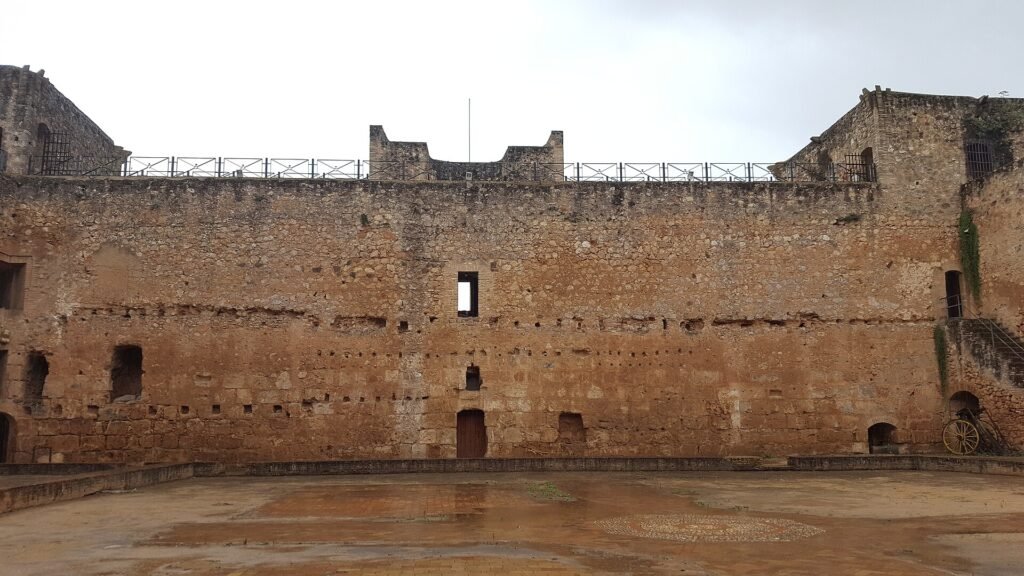
Niebla is immediately recognisable by its substantial walled enclosure overlooking the Río Tinto. Its gateways, fortifications and buildings preserve different layers of the town’s history.
Enter through the walls and wander the smaller streets before deciding whether to visit the castle. The best part is the relationship between the fortifications and a town that still functions inside them.
Before you go: Castle opening and access to the battlements vary; cobbled areas and inclines may challenge some visitors.
6. The Riotinto Mining Park
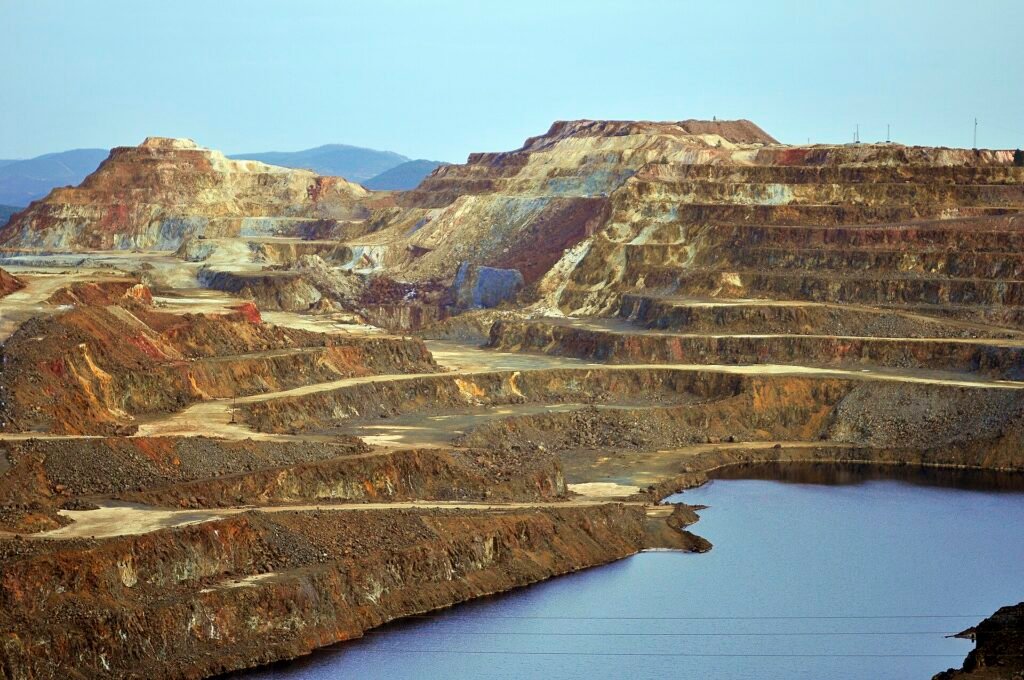
The mining district is one of the province’s most distinctive landscapes, with altered hillsides, industrial remains and water coloured by mineral chemistry. It is also a story about workers, engineering and environmental change—not just spectacular red photographs.
The official mining park offers several separately scheduled experiences, including a museum, heritage railway and mine visits. Choose the combination that genuinely interests you.
Before you go: Reserve and match the timed components carefully. The park’s full experience can occupy most of a day; some sites require driving between stops.
7. Peña de Hierro at Nerva
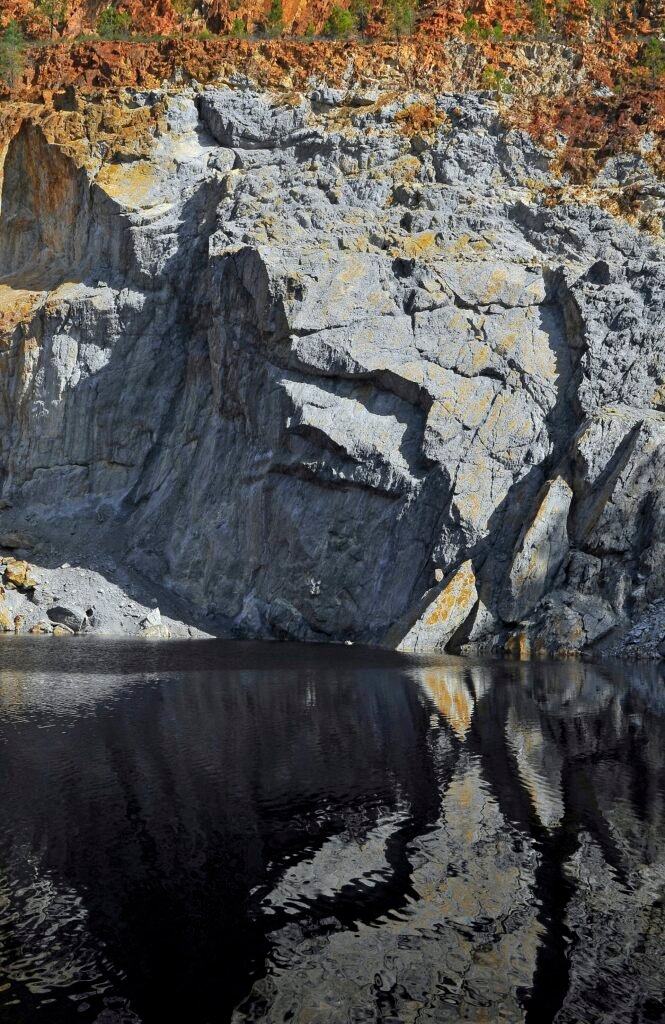
Peña de Hierro offers a close look at a former mine and the terrain from which the Río Tinto emerges. The scenery is unusual, but the industrial history helps explain why the land looks the way it does.
This is better experienced as a controlled mine visit than as an unplanned hunt for viewpoints. Use the official interpretation to understand the excavation and the mineral-stained water.
Before you go: The mine is in Nerva municipality, separate from the museum in Minas de Riotinto. Book the correct slot and follow access restrictions.
8. Gruta de las Maravillas in Aracena
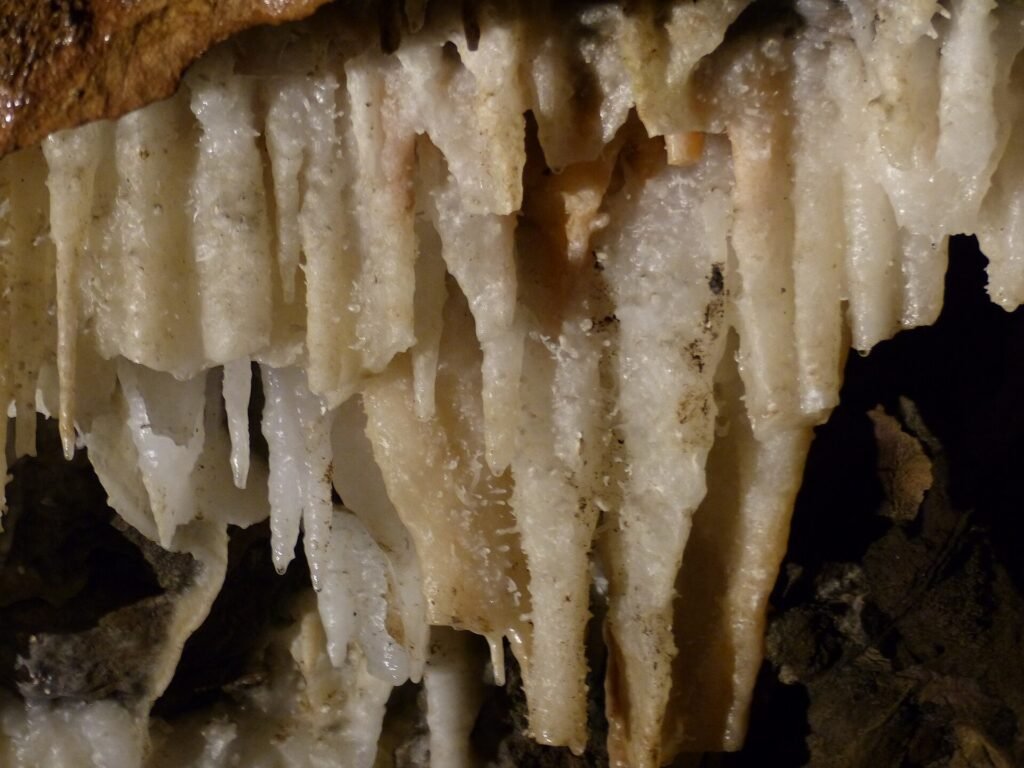
Beneath Aracena lies a network of chambers, water and mineral formations that contrasts with everything above ground. The grotto is the obvious anchor for a mountain-town day.
An organised visit lets you appreciate cave formations and the shapes created by light, water and geological time. Above ground, Aracena has enough streets, viewpoints and food stops to fill the remainder of the day.
Before you go: Advance tickets are recommended by the municipal operator; cave access involves stairs and damp surfaces, so check mobility suitability.
9. Aracena’s hilltop castle and town
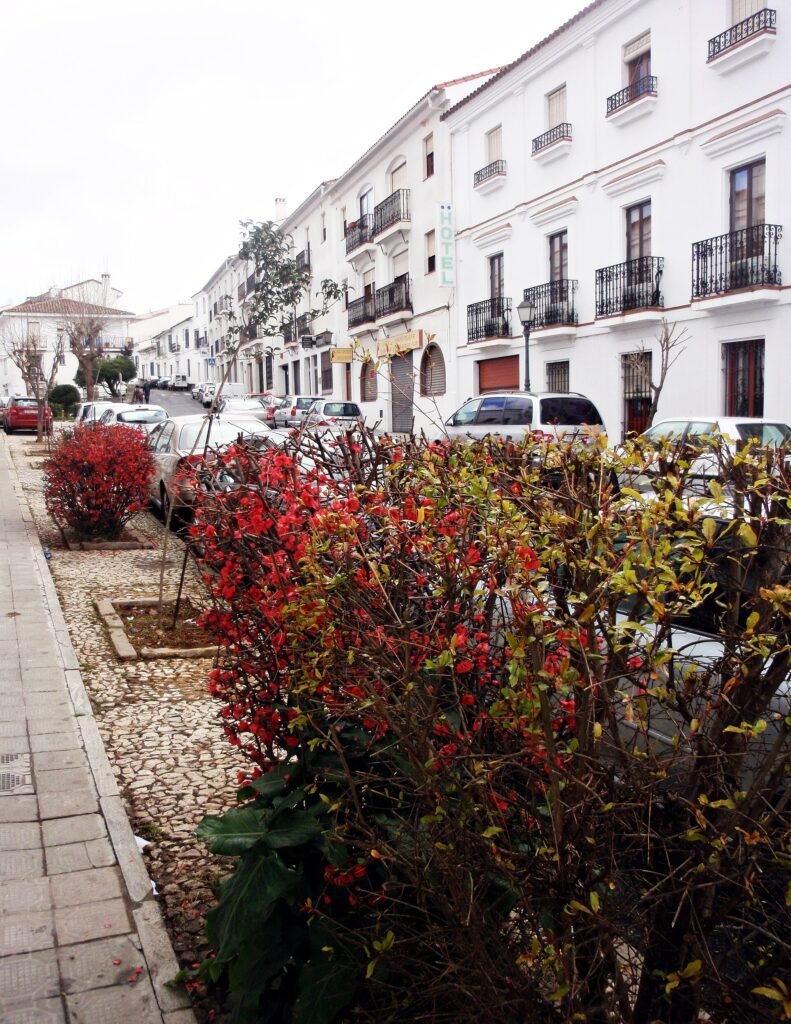
Aracena works as a destination even without the cave. White buildings descend from the hill around an old fortified core, while the surrounding sierra changes the feel of the air and the landscape.
Combine the historic centre with the castle hill and a meal featuring regional products. The climb also helps you see how the settlement sits within the mountain terrain.
Before you go: Expect slopes and steps; do not assume all castle areas are open when you arrive.
10. The mosque at Almonaster la Real
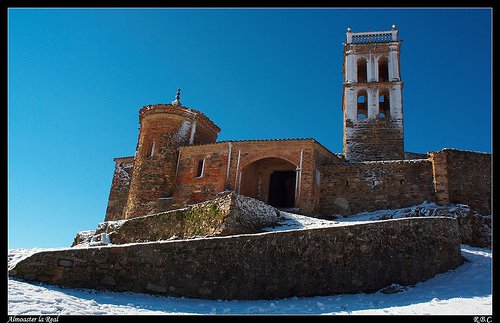
The small mosque within Almonaster’s old fortified precinct gives the village unusual historical depth. Its scale and setting are more intimate than the famous monuments of Andalusia’s larger cities.
Approach on foot through the village, then linger on the hilltop to see the relationship between the stone structure and wooded ridges. Make time for the streets below.
Before you go: Check access for visits and religious use; the ascent is on a slope and may be difficult for visitors with limited mobility.
11. Cortegana Castle
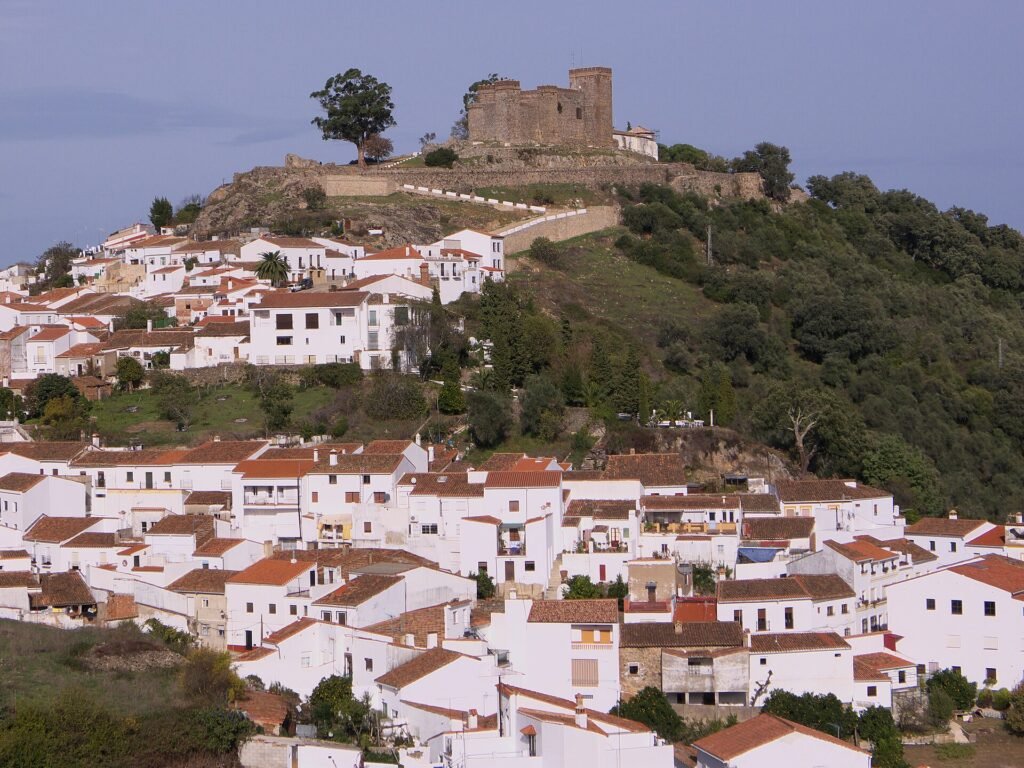
Cortegana’s castle has the kind of position that makes its defensive purpose obvious: it looks out across the surrounding hill country.
Visit the town below as well as the castle surroundings. The contrast between the fortified skyline and quiet residential streets makes this more than a quick photo stop.
Before you go: Confirm whether the interior is open and wear shoes suitable for uneven stone.
12. Alájar and the Peña de Arias Montano
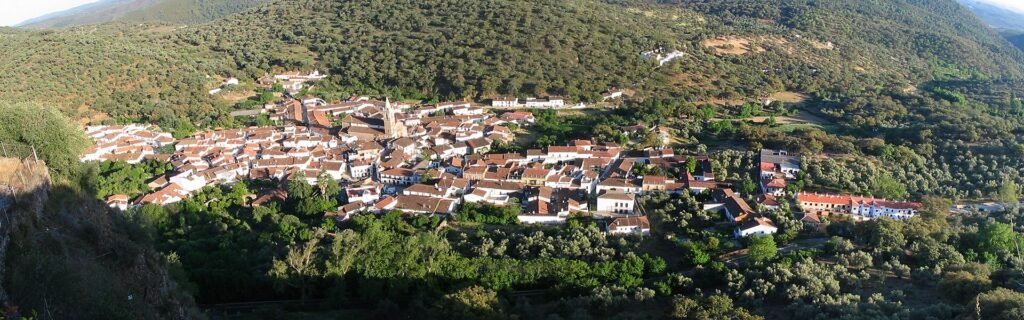
The village of Alájar sits among the wooded hills of the Sierra de Aracena. Above it, the Peña de Arias Montano provides a different sense of the landscape’s scale.
Pair a gentle exploration of the village with the viewpoint and surrounding paths if conditions permit. This is a particularly pleasing contrast with the province’s low Atlantic coast.
Before you go: Some country roads and slopes are narrow; check walking conditions and avoid going off marked paths.
13. El Rocío’s sandy streets and sanctuary
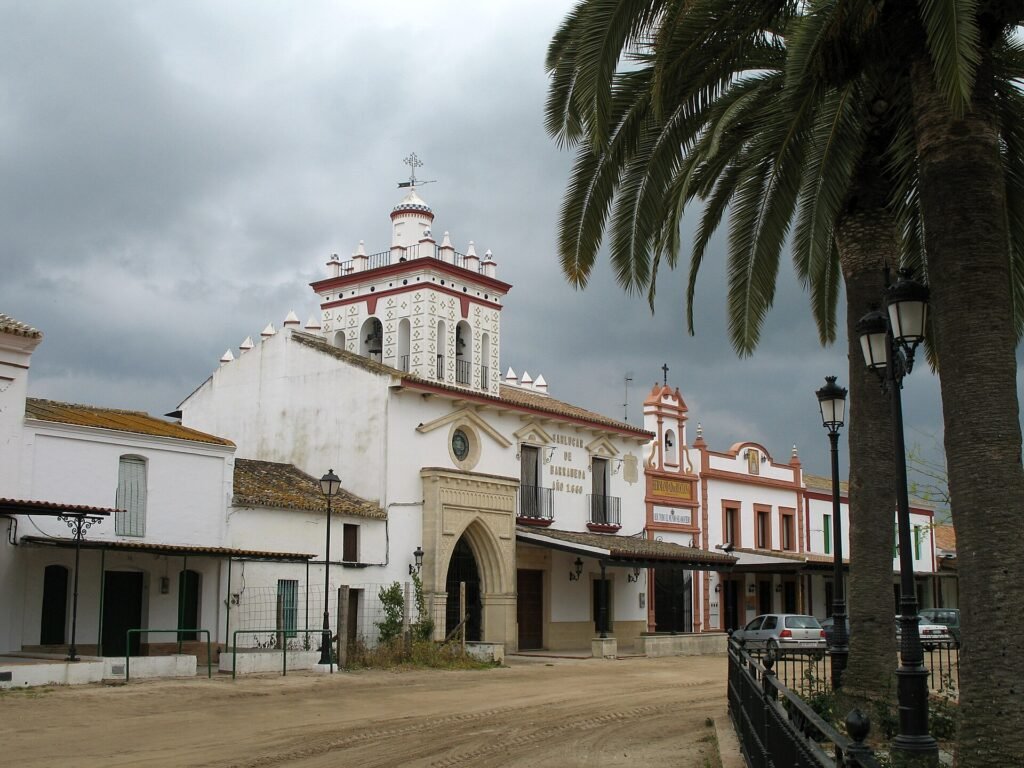
El Rocío is not a conventional town square-and-high-street destination. Its sandy streets and religious traditions help explain why it occupies such a distinct place in Andalusian culture.
See the sanctuary and the settlement respectfully, and consider the contrast between a quiet weekday and the scale of the annual pilgrimage. The marshland setting is another reason to stop.
Before you go: The pilgrimage radically changes access, crowds and accommodation availability. Respect worship and check any event-related traffic restrictions.
14. The La Rocina visitor centre at Doñana
Doñana is one of Europe’s important wetland landscapes, but it is not a freely drivable safari park. La Rocina gives visitors a legitimate introduction through interpretation and marked routes.
Use the visitor centre to learn about the marshes and choose a permitted walk. Bird activity changes with season and water conditions, so no single species sighting is guaranteed.
Before you go: La Rocina is accessible on foot from El Rocío; check the current trail and visitor-centre status. Carry water and binoculars if you have them.
15. Marismas del Odiel
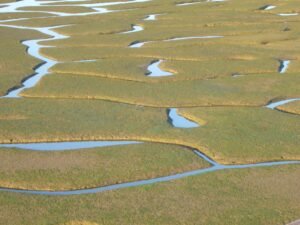
Huelva’s Odiel marshes are an important natural counterweight to the urban port and industrial waterfront. Water, mudflats and birdlife replace monumental facades.
Make the visitor facilities your first stop for current access rules, then choose an authorised route or organised activity. It is an area for quiet observation, not a place to wander indiscriminately.
Before you go: Check the status of the Anastasio Senra visitor centre and any guided visits. Avoid fragile or restricted habitats.
16. Punta Umbría’s Atlantic shoreline
Punta Umbría has the broad coastal landscapes many visitors imagine when they think of Huelva: sandy beaches, open skies and dunes. It is a change of pace after the provincial interior.
A promenade walk and time by the beach work well even outside peak swimming season. Nearby protected dune and pine areas add interest beyond the sand.
Before you go: Beach services and lifeguards are seasonal; check sea conditions and avoid crossing protected dunes outside designated access.
17. Ayamonte on the Guadiana
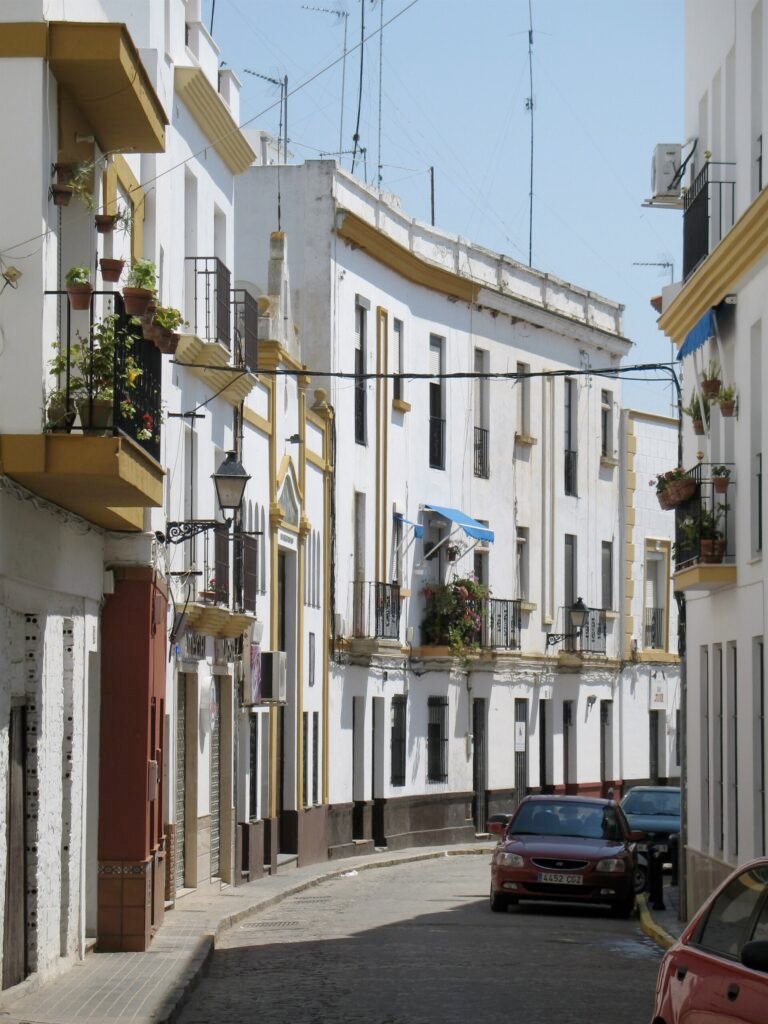
At Huelva’s western edge, Ayamonte looks across the Guadiana toward Portugal. Its waterside position has shaped its history and gives the town a different orientation from the Atlantic resorts nearby.
Walk the central streets and riverfront, paying attention to churches, squares and the changing view toward the opposite bank.
Before you go: If you intend to cross to Portugal, check the current ferry or other transport options separately; do not assume services operate at all times.
18. Isla Cristina and its fishing heritage
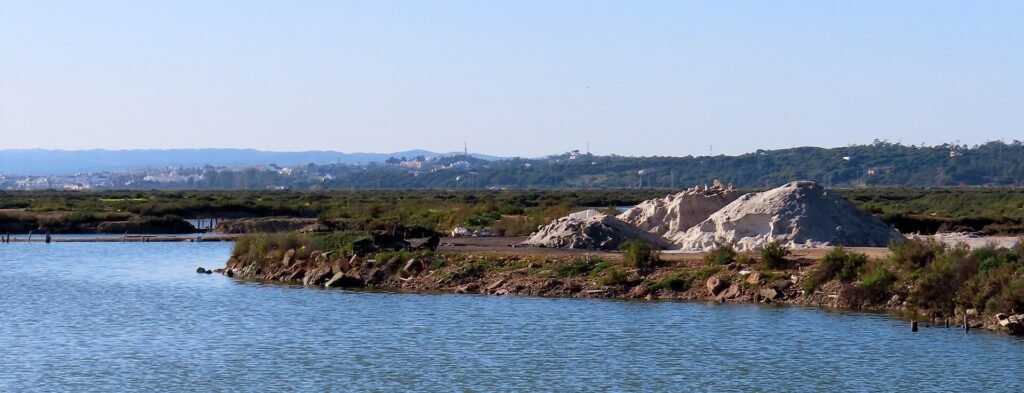
Isla Cristina is best approached as a working coastal town rather than solely a beach destination. Maritime activity and the connection to the fishing industry add substance to a visit.
Explore the town near the port and consider the wetlands and salt-making landscapes nearby, where visits are permitted.
Before you go: The fishing port is a working area; observe restrictions and do not enter operational zones.
19. El Rompido and the Río Piedras estuary
El Rompido offers a more small-scale coastal mood: a settlement beside the Río Piedras estuary, with water, boats and changing tidal landscapes.
Walk along the waterfront and look toward the Flecha del Rompido, the sand spit across the river. It is a good place to slow down rather than to build an itinerary around attractions.
Before you go: Boat crossings and beach facilities may be seasonal and weather-dependent. Do not assume the sand spit can be reached on foot across the estuary.
20. Jabugo and the sierra’s food traditions
Jabugo’s name is associated with cured Iberian ham, but the wider story is one of farming landscapes, local craft and the rural economy of the sierra.
Seek out producers or interpretive experiences that explain provenance and production, rather than treating a quick purchase as the entire visit.
Before you go: Visits to producers require separate arrangements; check ahead rather than assuming a facility welcomes drop-ins.
How to choose your route
For one day, stay in one zone: the Columbian sites near Palos and Moguer, Niebla and the mining district, Aracena and nearby sierra villages, or a coastal stretch. For a longer stay, reserve the mining railway, cave and any guided Doñana experience first; let markets, towns and beaches fill the flexible spaces.
Temperatures and seasonal services vary strongly between the coast and the hills. Walking routes, guided access and opening arrangements matter more here than a rigid numbered list. When visiting protected landscapes, stay on authorised routes and carry out everything you bring in.