Start with the right expectations
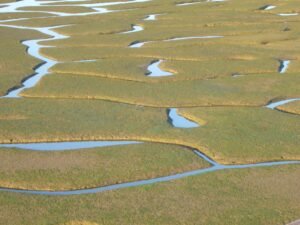
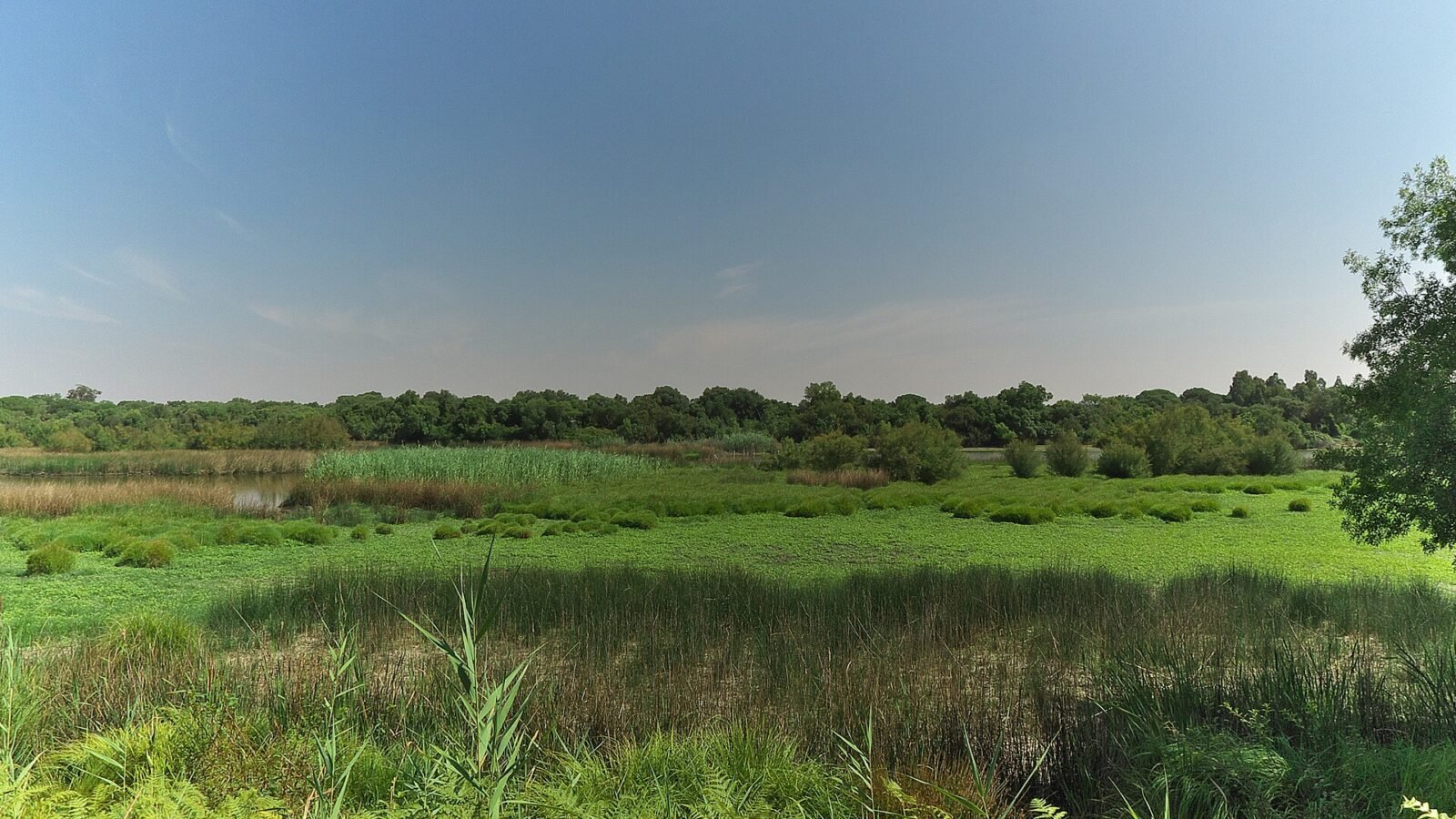
Doñana is not a conventional national park where visitors simply drive to any viewpoint and wander. Its wetlands, dunes, scrubland and pinewoods form a highly protected landscape, spread across several areas and administrative boundaries. From Huelva, the most practical public-facing entry points lie around El Rocío and Matalascañas, within Almonte municipality. The visitor centres and signed trails are a way to experience a small but meaningful part of the ecosystem.
The distinction between Doñana National Park and the wider Doñana Natural Area, including the adjacent natural park, matters. Not every beach or path advertised as “Doñana” provides entry to the national park’s restricted interior. Equally, a tour advertised in the region is not automatically an authorised park visit. Official centres, signed public paths and licensed guided itineraries provide a clearer starting point.
1. La Rocina: a strong first stop near El Rocío
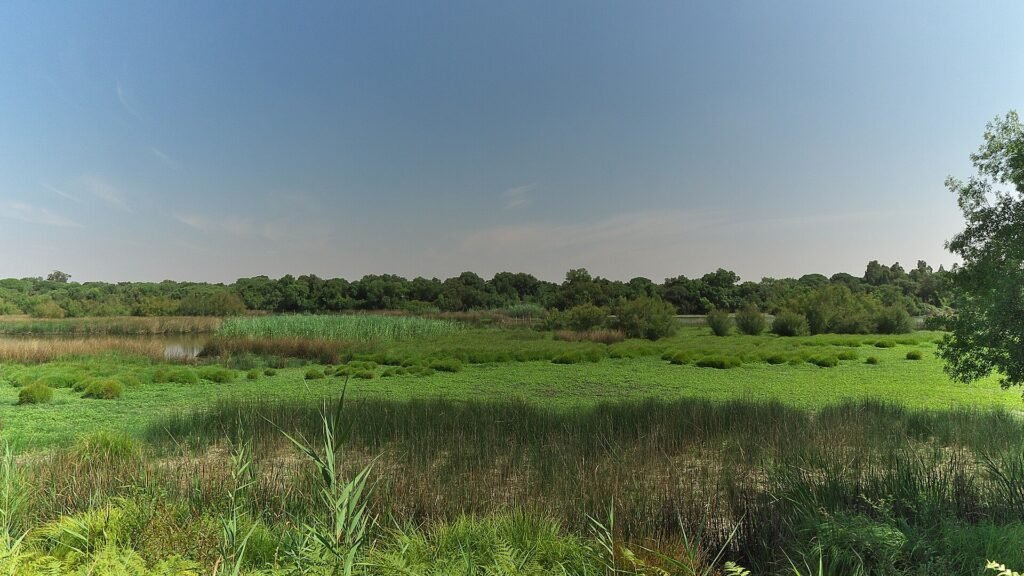
La Rocina is one of the most accessible ways to get an introduction to Doñana’s freshwater landscapes. The visitor centre stands near El Rocío, with an exhibition and the Charco de la Boca trail. Walkways and observation points encourage you to slow down and listen; the purpose is not covering miles quickly but noticing changes in water, vegetation and birds.
You can reach the visitor centre on foot from El Rocío. That makes it especially useful if you have arrived without a car, although reaching El Rocío itself still requires checking transport connections.
Visiting advice: Bring binoculars, arrive when temperatures are reasonable and keep noise low at the hides. The official centre page gives contact details and seasonal information. Water levels are variable, so do not promise particular species or permanent flooded lagoons.
2. El Acebuche: visitor information, trails and guided-tour departures
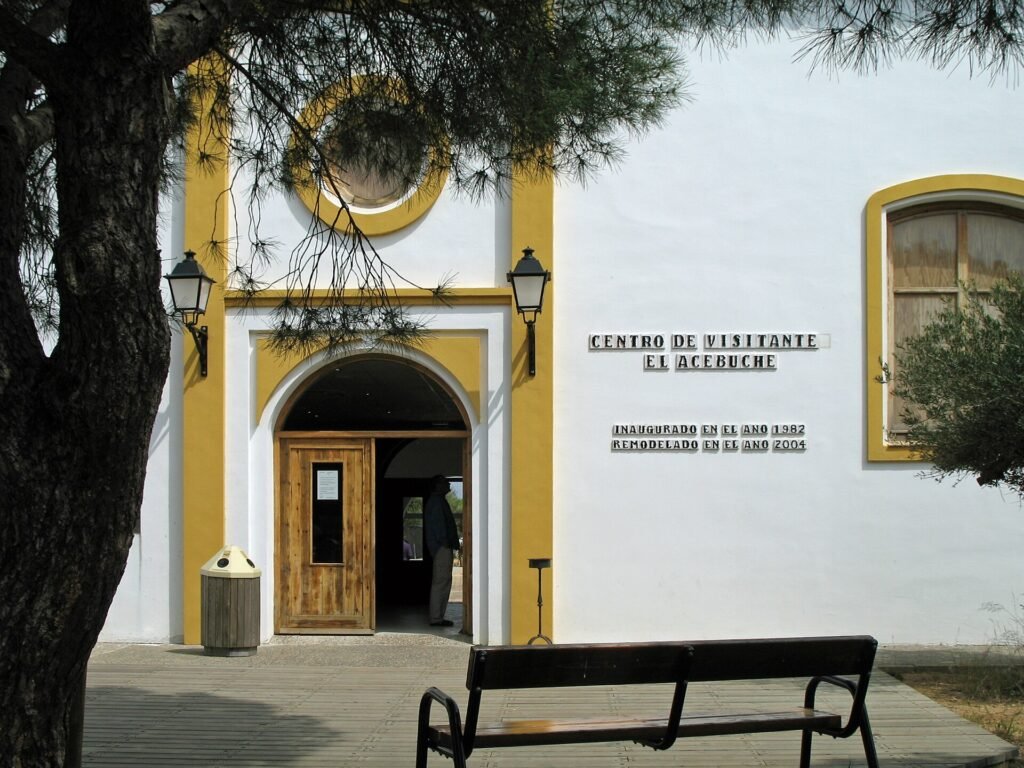
South of El Rocío, El Acebuche is a principal visitor centre for Doñana. Its educational displays explain the protected ecosystems, while the designated trails around the lagoons of Acebuche, Huerto and Las Pajas offer birdwatching opportunities. A short walk here can be worthwhile even if you do not book a longer guided excursion.
El Acebuche is also associated with the official route that enters parts of the restricted national-park interior on authorised all-terrain excursions. These are different products from the visitor-centre footpaths. You should not assume a public visitor-centre pass lets you follow the vehicles.
Visiting advice: Access to El Acebuche normally requires private transport or an arranged lift; official park information distinguishes it from La Rocina, which can be approached on foot from El Rocío. Check which paths are open and the tour’s exact departure time, not just the centre’s operating hours.
3. Palacio del Acebrón: a different story along the water
The Palacio del Acebrón visitor centre combines a historic building with interpretation of life and landscapes around Doñana. It is reached from the La Rocina area by a surfaced access track and has a designated Charco del Acebrón walking route. This makes it a complement to La Rocina, not merely a second place with a similar name.
For visitors interested in people as well as wildlife, the exhibitions help connect the marshes and forests to the wider history of the area. The surrounding paths provide a quieter way of spending part of the day than rushing immediately to another town.
Visiting advice: The official park authority places Acebrón roughly six kilometres beyond La Rocina. Arrange your transport accordingly and check the centre’s current access and visiting conditions.
4. El Rocío: the village beside the marshes
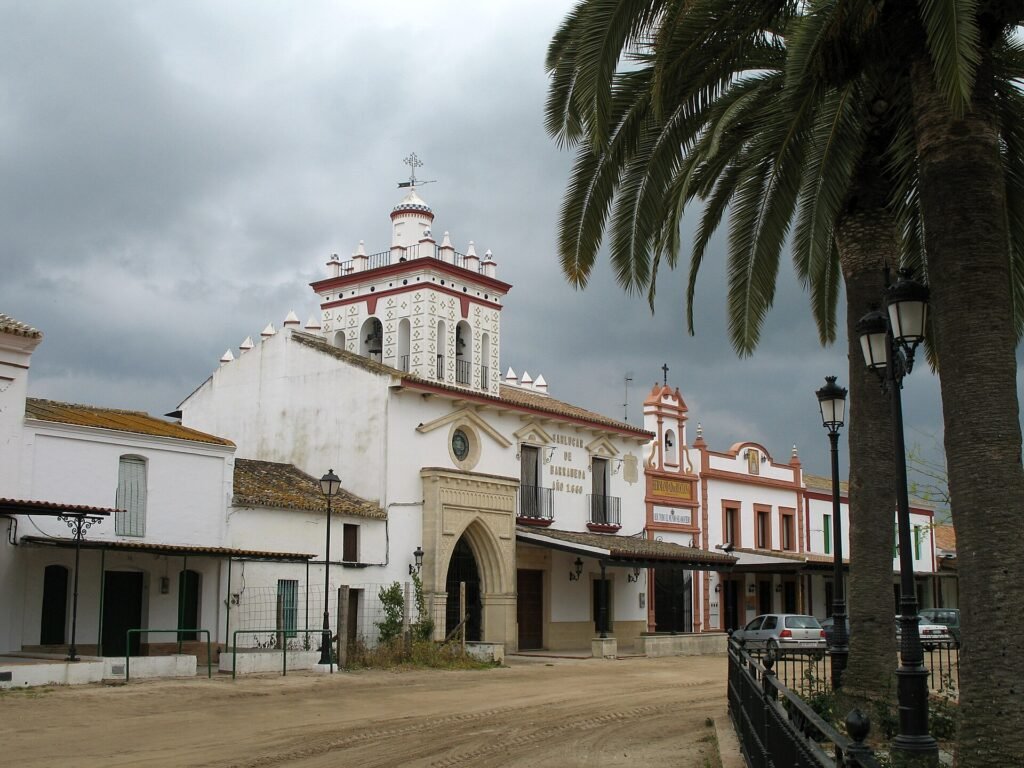
El Rocío is not a substitute for a national-park hike, but it is an important part of understanding this corner of the Province of Huelva. The sanctuary, open sandy streets and edge-of-marsh setting give it a very different character from a conventional Andalusian town. The landscape changes with the season, and views over the marshes can be compelling even without leaving the village.
The Romería del Rocío is a major religious event, so the atmosphere and practical access arrangements can change dramatically around pilgrimage dates. Avoid choosing the event period casually if your priority is a quiet wildlife visit.
Visiting advice: Stay on public routes and boardwalks. Where the surroundings look like open ground, that does not automatically imply unrestricted access to protected habitats.
5. Joining an authorised guided visit into the national park
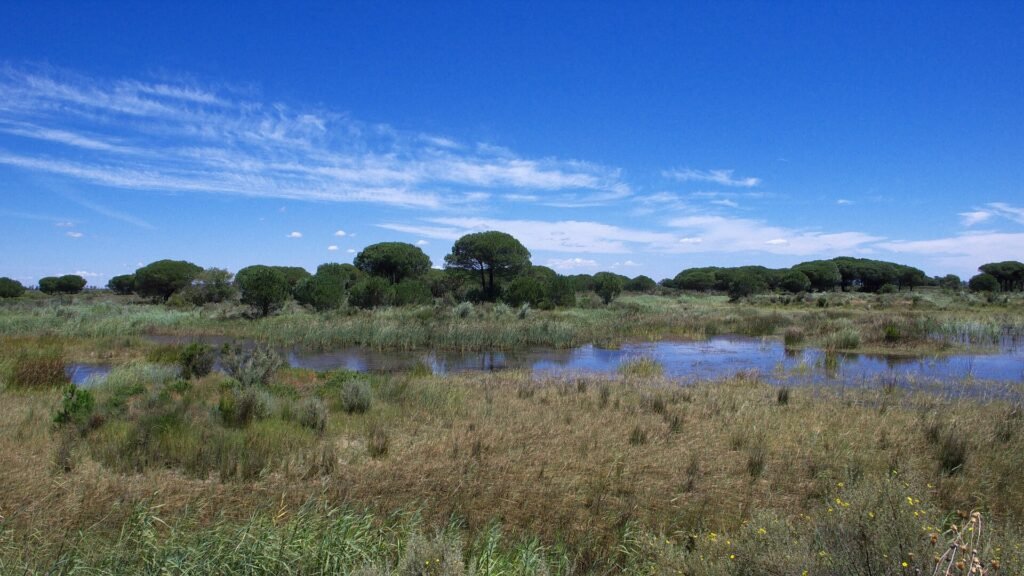
If your goal is to see a broader cross-section of Doñana than the public trails allow, consider an officially authorised guided excursion. The park’s established routes include a vehicle itinerary linked to El Acebuche; arrangements and operators should be checked on the park’s official visitor pages rather than copied from generic tour advertisements.
A guided visit trades spontaneity for access and interpretation. It does not guarantee a lynx sighting or an impressive wetland panorama: wildlife is unpredictable, and dry periods can change the scene substantially. What a good guide can offer is context about habitats, conservation and the particular areas being visited.
Visiting advice: Reserve ahead, ask about route duration and any mobility restrictions, and follow the operator’s confirmed meeting point. Do not drive onto private or restricted park tracks because a map shows a road.
6. A beach-and-dune option: Cuesta Maneli is in the natural park
For travellers interested in dunes rather than wetlands, Cuesta Maneli offers a signed route through a coastal landscape towards an Atlantic beach. The Andalusian authority publishes a trail sheet, describing a linear path of roughly 1.2 kilometres in one direction.
This is an option in the wider Doñana protected area, not an interchangeable entrance to the national park’s restricted core. Beach access can be affected by weather, dune conservation and parking conditions.
Visiting advice: Follow the signed access near the A-494 and check current trail openings. Keep off vulnerable dune vegetation. The walk may be more demanding on the return because of the slope and sand.
How to get there from Huelva
By car: official park guidance describes the A-494 connection from Huelva towards Matalascañas, with the A-483 providing access towards El Rocío. Use the confirmed entrance of your chosen visitor centre rather than routing only to “Doñana National Park”, which is a vast area. La Rocina, Acebrón and El Acebuche are separate locations, not one car park.
Without a car: the park authority identifies public-bus access to El Rocío, then a possible walk to La Rocina. The same guidance says El Acebuche and Palacio del Acebrón require private or otherwise arranged transport. Verify seasonal bus timetables and last departures yourself; no specific service or departure time is guaranteed here.
Day plan: choose La Rocina and El Rocío if you have limited time and no car; choose El Acebuche plus a reserved guided itinerary if you want to focus on the national park; choose La Rocina and Acebrón if exhibitions and shorter walks appeal. Each deserves several unhurried hours. Trying to add all three centres and a guided expedition in one day would make the logistics dominate the experience.
When to go, accessibility and birdwatching etiquette
Doñana is strikingly seasonal. The park administration identifies autumn and winter as especially pleasant for a visit, with wintering birds an attraction. Spring may also be lively, but water conditions cannot be guaranteed in advance. In summer, heat and sun exposure influence where and when to walk. Always carry water and sun protection.
Official visitor guidance describes adaptations in visitor centres, boardwalks and some observation points, but this is not a promise that every metre of every path is accessible. Ask about the specific loop and hide if step-free access is essential. Keep your distance from wildlife, do not feed animals, remain on designated paths and take your rubbish out with you.
For a protected area, a successful visit often means seeing less and understanding more. A quiet quarter-hour in a bird hide is a better use of time than leaving marked paths in pursuit of an elusive photograph.