Huelva is a good starting point for short trips precisely because the province changes character so quickly. A morning can mean ships and monasteries near the estuary, a day can disappear among mine workings and rail tracks, or you can exchange the streets of the capital for a windswept beach or a mountain village.
These are genuine day trips from Huelva, not suggestions to dash across the entire province before lunch. I have grouped nearby attractions and stated where a car is especially helpful. Routes below are not guaranteed public-transport itineraries: services can be infrequent and may leave attractions far from the nearest stop.
1. Palos de la Frontera and La Rábida: maritime history close to Huelva
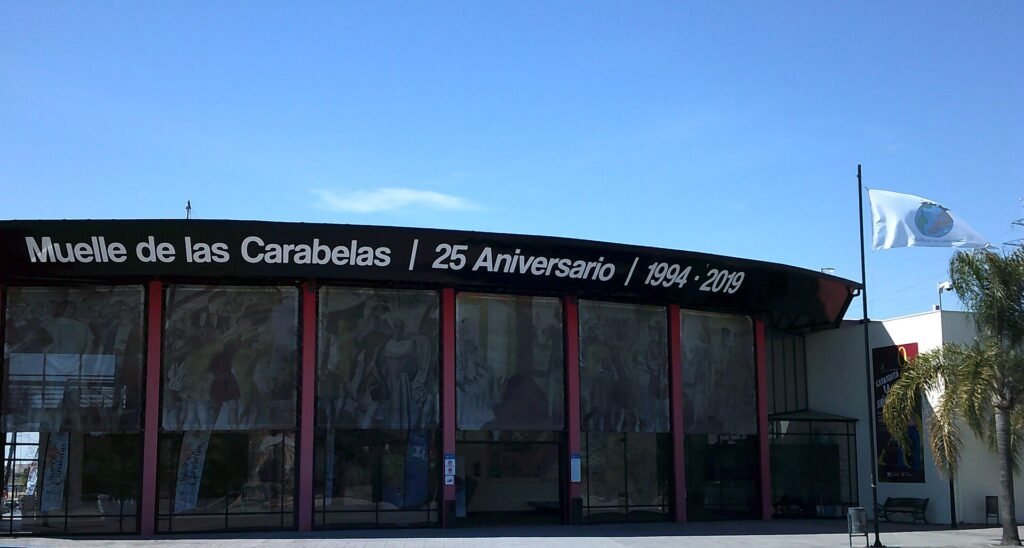
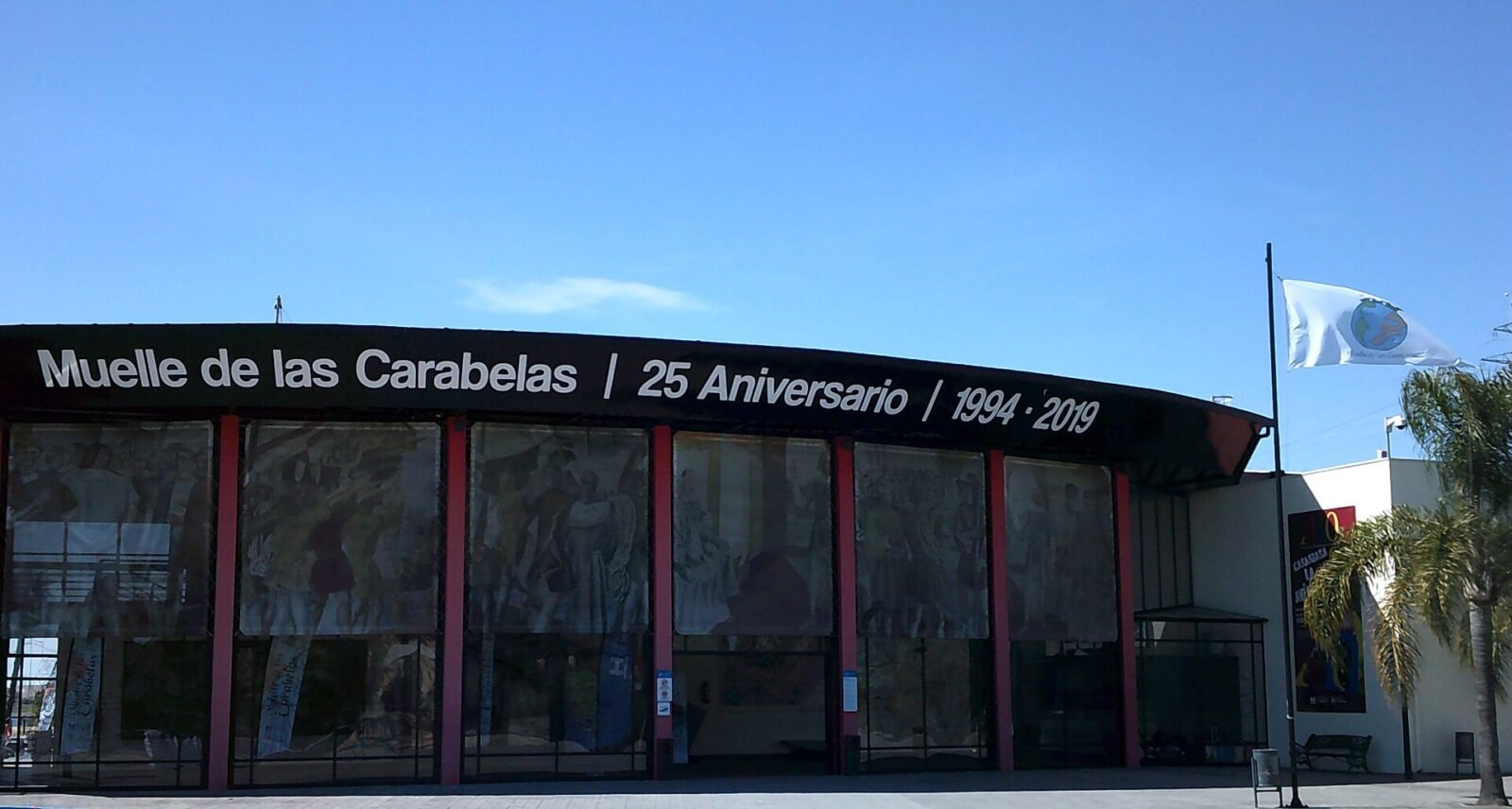
For a history-focused day, start at Muelle de las Carabelas and continue to the nearby Monastery of La Rábida. The reconstructed ships give scale to a voyage that is easy to reduce to dates and names; the monastery brings in its local context.
Visit both at an unhurried pace, then explore Palos itself if you have time. The combination is compact enough to leave time for a long lunch or an additional short stop.
Before you go: A car or organised transport simplifies access to the two sites. Check each attraction’s opening separately and do not assume a combined ticket.
2. Moguer: follow the literary trail
Moguer gives a different perspective on the Columbus-era history of the region, but it is the link to poet Juan Ramón Jiménez that gives the town a particularly personal character.
Plan around the Zenobia and Juan Ramón Jiménez House-Museum and walk to Santa Clara or other historic streets. This suits travellers who prefer museum rooms, architecture and a slower town visit over a long list of major sights.
Before you go: Check the house-museum’s opening hours; if time is limited, it pairs well with the nearby Palos/La Rábida route, but avoid overloading the day.
3. Niebla and the Dolmen de Soto: walls and prehistory
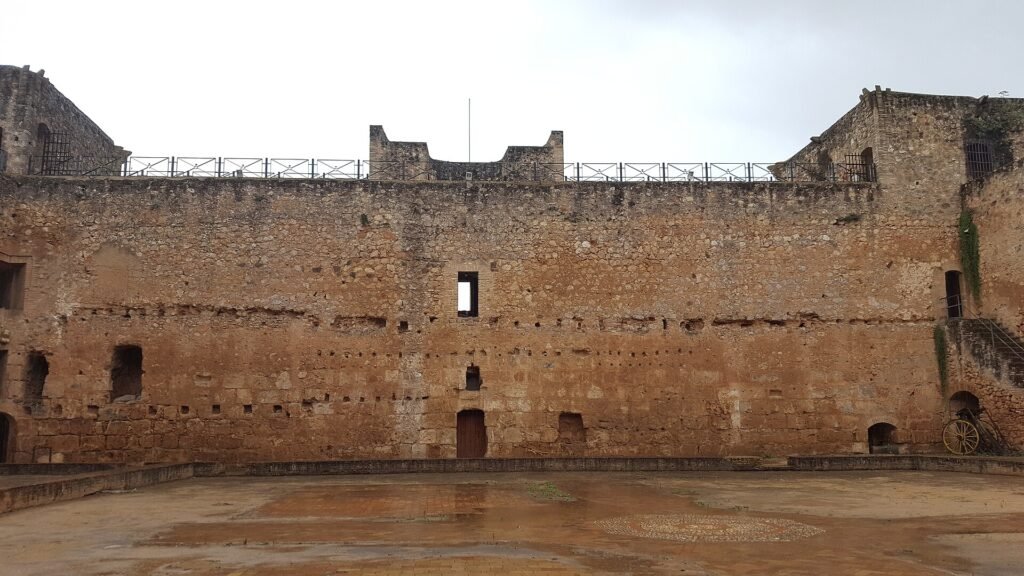
Niebla offers a dramatic townscape enclosed by defensive walls. Nearby Trigueros adds a very different period of history through the Dolmen de Soto, a prehistoric megalithic monument.
Spend the main part of the day in Niebla, exploring the town and deciding whether to enter the castle, then make a separate visit to the dolmen if its current access allows. The two sites show how many periods of human settlement the province contains.
Before you go: Check dolmen access and any guided-visit arrangements in advance; do not count on unrestricted entry to a protected archaeological site.
4. Riotinto and Nerva: a full mining day
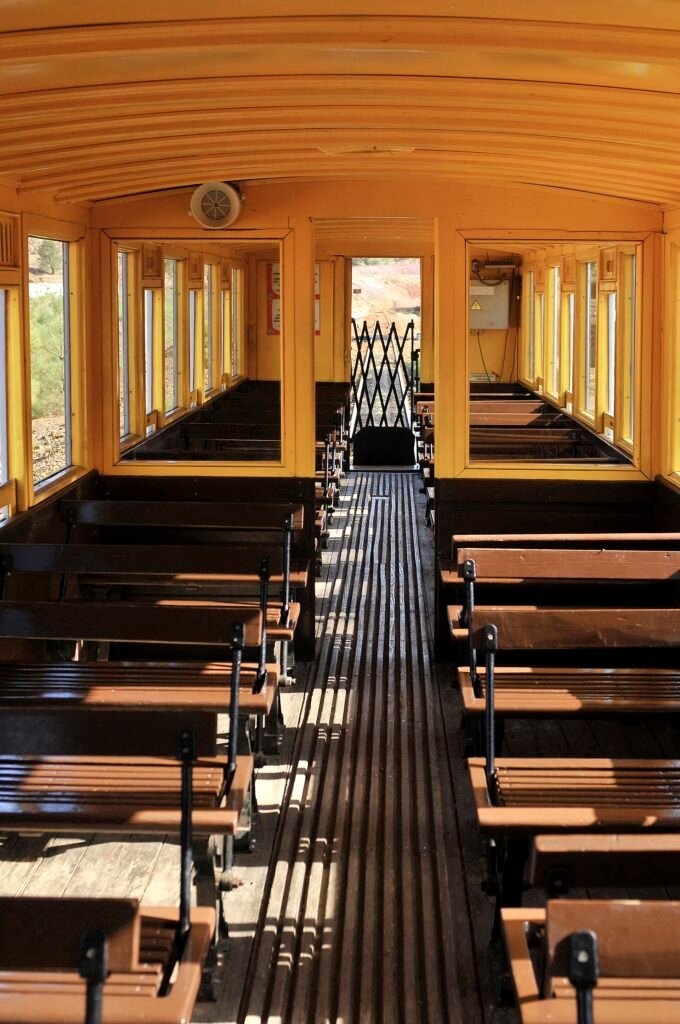
This is the strongest choice if you want industrial heritage and geological colour rather than another old-town day. The mining park’s museum, train and mine experiences turn the landscape into a story of extraction, transport and workers’ lives.
Reserve a package that fits a day trip and follow the operator’s order of stops. Include travel time between the museum in Minas de Riotinto and Peña de Hierro in Nerva if your ticket contains both.
Before you go: A car is strongly recommended. Some attraction bundles occupy much of the day; verify exact boarding times and do not plan another distant stop afterwards.
5. Aracena: cave, castle and a mountain lunch
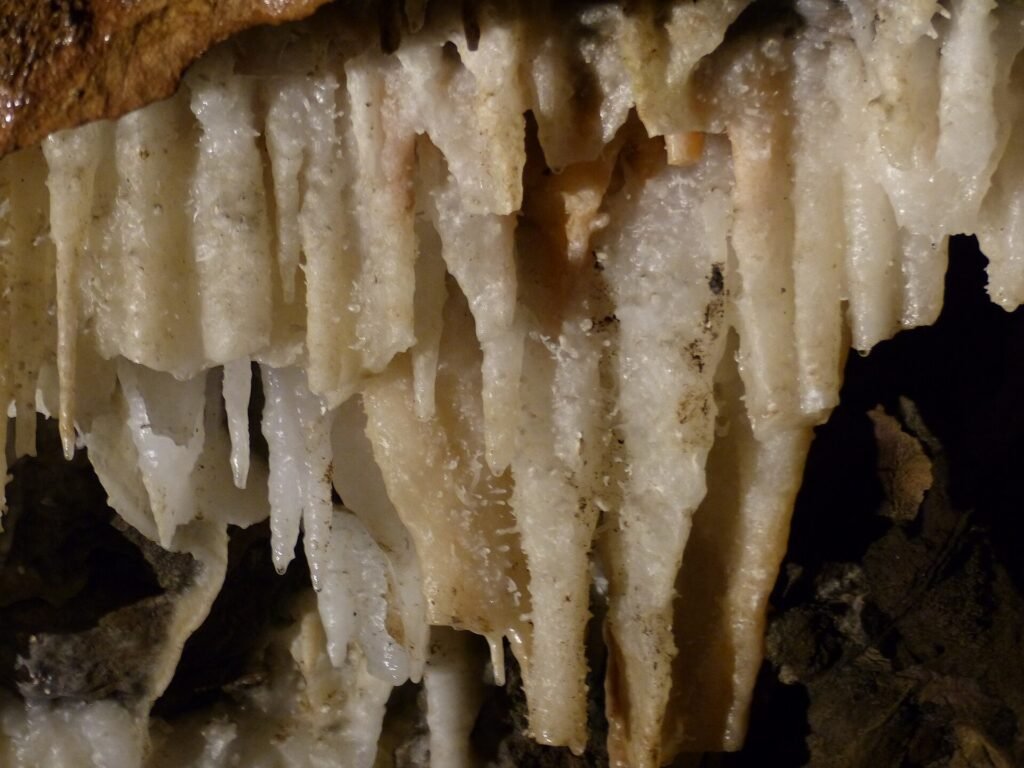
Aracena makes a rewarding day trip because it combines a structured underground visit with flexible time in a mountain town. The Gruta de las Maravillas anchors the schedule, leaving the hill and centre for later.
After the cave, wander through the town, consider the castle area and sample regional dishes. Treat the change from coastal flatlands to the sierra as part of the journey.
Before you go: Book the cave before leaving Huelva and check whether its stairs and slippery sections suit your group. A car makes the day much simpler.
6. El Rocío and a Doñana visitor-centre walk
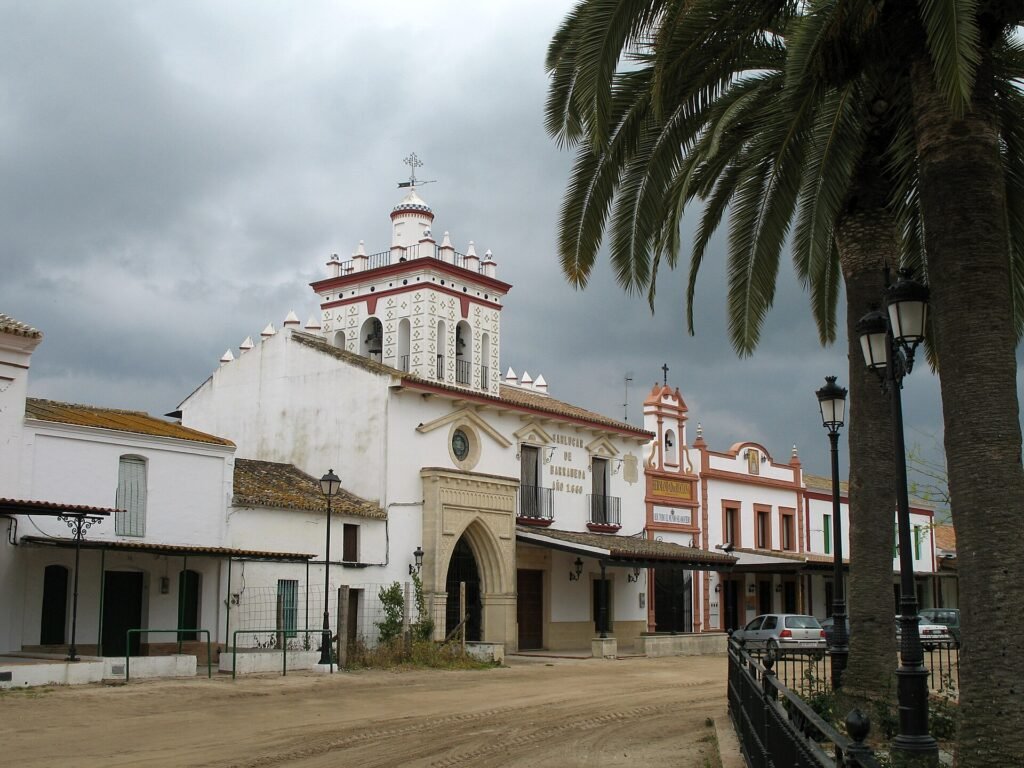
This is the best choice for people who want a mix of cultural landscape and accessible nature interpretation. El Rocío’s sandy streets and sanctuary can be paired with the La Rocina visitor centre beside the village.
Begin with the settlement, then use the visitor centre for a marked trail or birdwatching opportunity. Sightings are seasonal and never guaranteed.
Before you go: La Rocina can be reached on foot from El Rocío, but other Doñana centres are farther away. You cannot freely drive across the restricted core of the national park.
7. Punta Umbría and the Odiel marshes: sea air close to town
If you want a low-effort change of scenery, head for Punta Umbría’s coast. Sandy beach, open sky and a slower pace make it a useful option after several indoor visits.
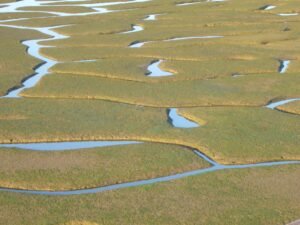
You can add a permitted Odiel marshes activity or visitor-centre stop if current access and travel fit. The pleasure here is in space and landscape, not in ticking off monuments.
Before you go: Public transport to the coastal town may be possible, but wildlife sites often need separate transport. Beach services depend on the season.
8. Ayamonte: a longer day on the Guadiana
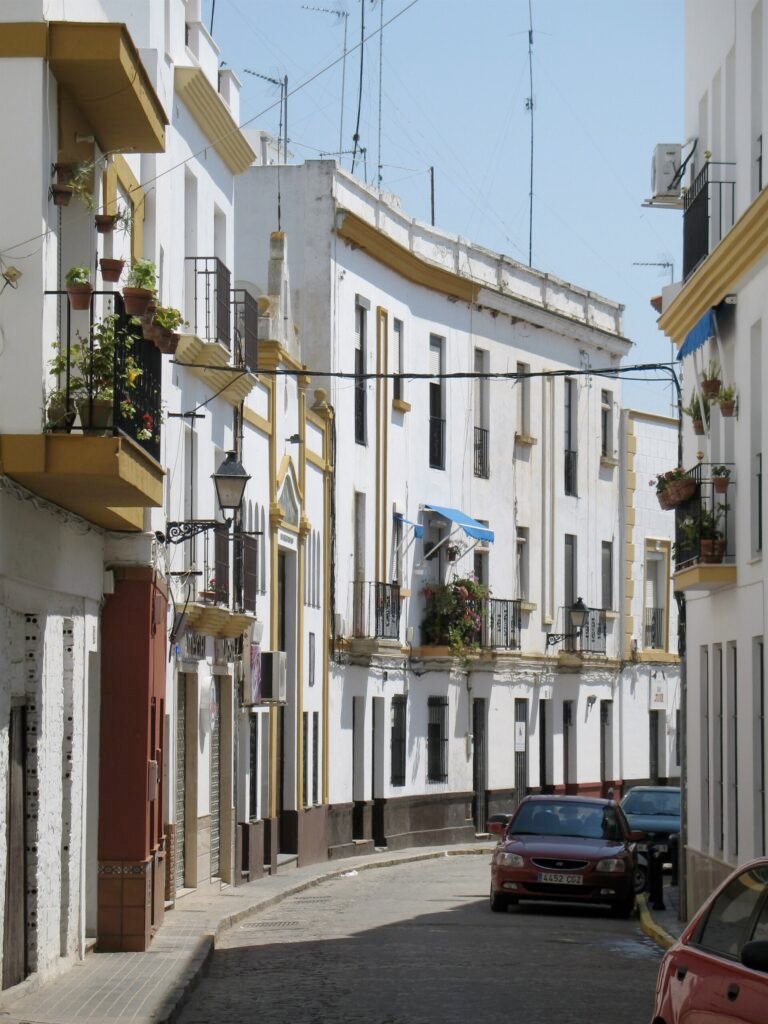
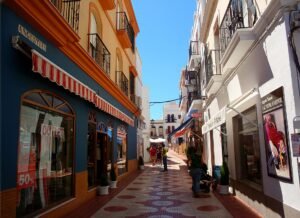
Ayamonte’s position across from Portugal gives it a character different from inland Huelva. Its river views, compact centre and traditional buildings reward a day spent walking and eating.
Stay in the town for a coherent visit, or add Isla Canela if a beach is the main reason for your outing. There is no need to force a cross-border detour into the same schedule.
Before you go: This is one of the longer options from Huelva. A car provides flexibility; confirm any ferry services and schedules independently before planning around them.
How to choose the right day trip
- Without a car: Start by investigating buses to established towns such as Punta Umbría, Moguer or Ayamonte, then check the final walk from the stop. Do not assume every heritage attraction has a transport connection.
- With children: The Caravels, Riotinto’s heritage railway and Aracena’s cave are memorable, but age, stamina and physical access matter. Reserve before travelling.
- For wildlife: Choose El Rocío and an authorised Doñana visitor-centre route, ideally with binoculars and flexible expectations.
- For an easy day: Choose one coastal town or one historic-town cluster rather than driving back and forth across the province.
Before setting out, inspect the actual venue entrance on Maps, confirm the relevant operator’s current hours, and build in more time than the bare drive would suggest.
Three mistakes that make a day trip harder
Booking the wrong location: The mining museum is in Minas de Riotinto; Peña de Hierro is in Nerva. Doñana also has several visitor centres, not one interchangeable entrance. Assuming every site is always open: Castles, caves, archaeology sites and small museums may have limited or timed access. Overfilling the route: A short distance on the map does not account for a guided visit, lunch or a rural road.
If you have one spare day, choose the experience you actually want: a maritime history route, art and literature, geological landscapes, birdwatching or an easy coastal afternoon. You will remember a place more clearly if you give it enough time than if you hurry to claim three destinations in a single trip.