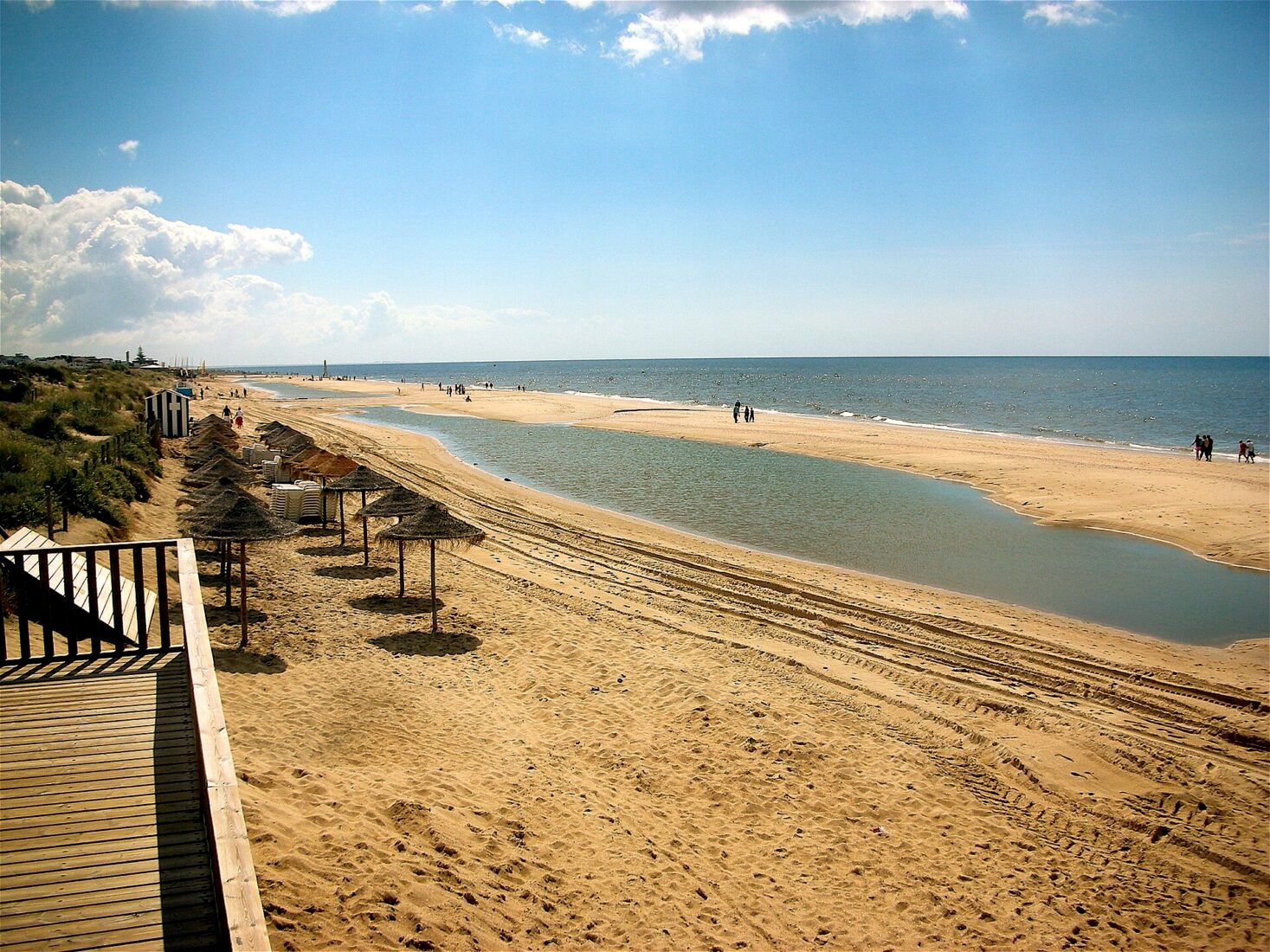
The province of Huelva meets the Atlantic along the Costa de la Luz, a coast of broad sand, dunes, estuaries and resorts that range from lively promenades to comparatively undeveloped stretches. If you are choosing a beach holiday here, the most useful question is not simply “which beach is best?” but what kind of day you want: easy services, a long walk, natural scenery or somewhere near a fishing town.
All the beaches below are in the province of Huelva, not necessarily Huelva municipality. Several lie in other towns and can require a drive, public transport or a seasonal boat trip. Conditions, bathing flags, access and services vary with season and weather; use these profiles to narrow your choice, then check official local updates.
1. Punta Umbría: classic beach-town convenience
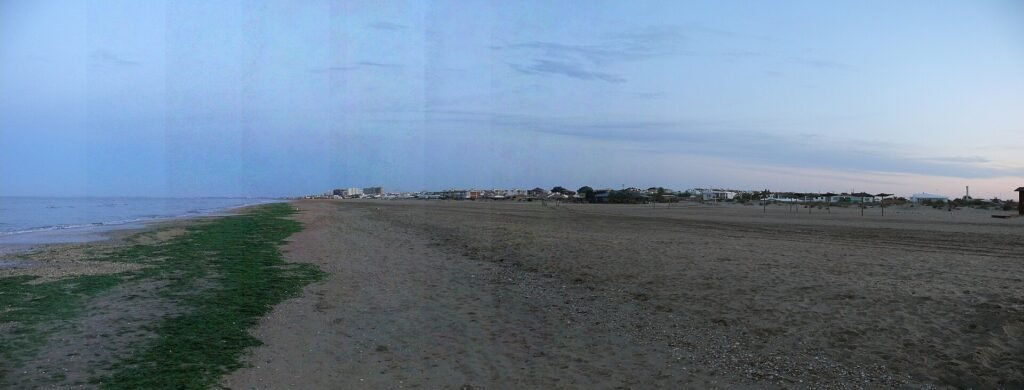
Punta Umbría is a familiar choice for visitors who want a wide Atlantic beach with a town close at hand. Its shore lends itself to relaxed beach days, walking along the sand and heading into town for a meal afterwards.
Choose it for: an easy beach-resort atmosphere. Arrive early on popular summer days and check the flagged bathing area and accessibility services for your particular access point.
2. Isla Canela: expansive sand near Ayamonte
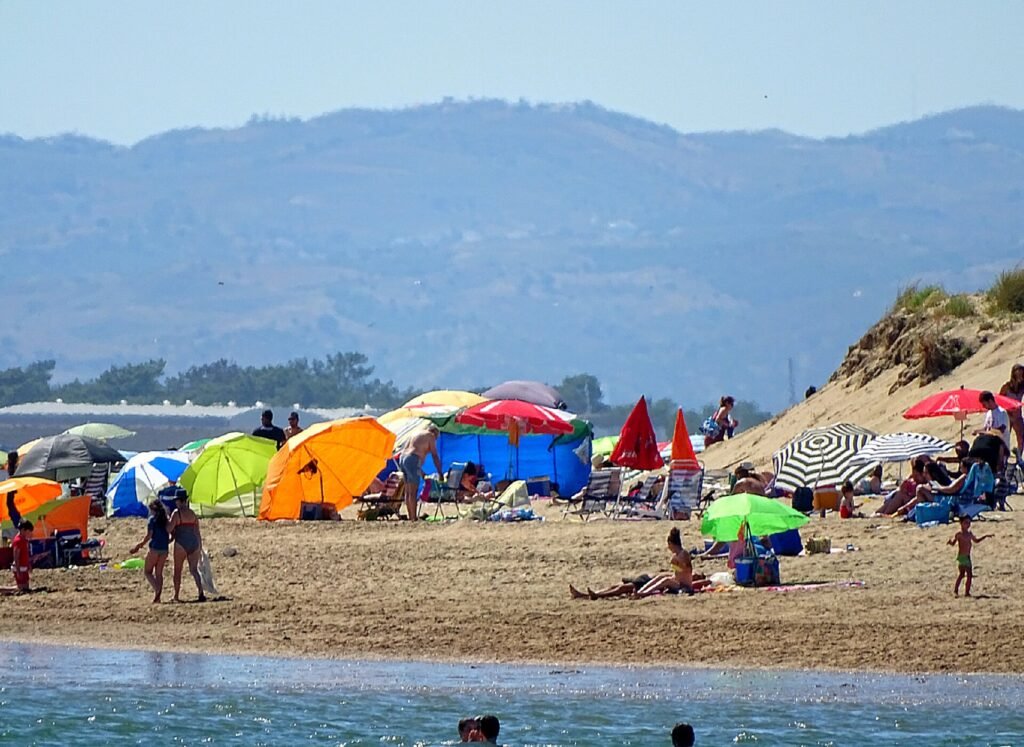
Near the Portuguese border, Isla Canela offers a broad sandy setting on the Ayamonte coast. Its openness and long views make it appealing to visitors who enjoy walking by the sea as much as staying on the beach.
Choose it for: a spacious coastal setting. Tides, wind and available facilities can change, so check local conditions before planning water sports or a long shore walk.
3. Playa Central, Isla Cristina: beach beside a fishing town
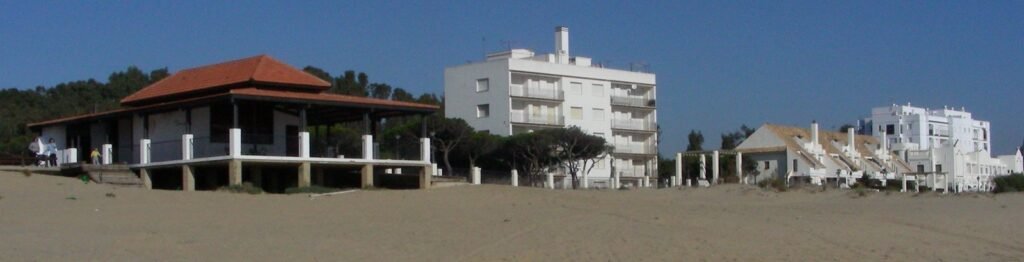
Isla Cristina is shaped by fishing activity and Atlantic coastal culture. Playa Central gives travellers a convenient introduction to its shoreline, making it easy to combine time at the beach with a meal or a walk through town.
Choose it for: combining a beach day with local town life. Check the exact access and beach zone on the map; the municipal coastline includes several differently named stretches.
4. Islantilla: a comfortable resort-style beach
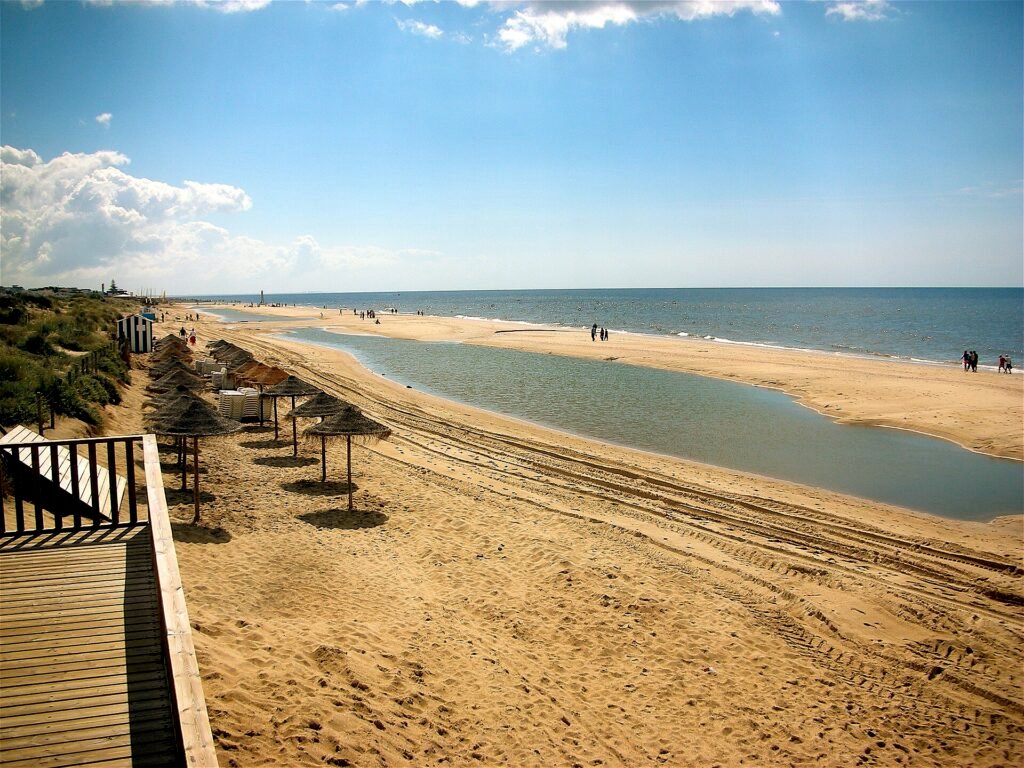
Islantilla is a purpose-built coastal destination shared by the Lepe and Isla Cristina area. Its broad beach and developed surroundings suit visitors who prefer accommodation and restaurants close to the sand.
Choose it for: convenience and a promenade-oriented holiday. It can become busier in peak season; if you prefer solitude, look at one of the more natural stretches farther along the provincial coast.
5. La Antilla: long beach with a lived-in coastal feel
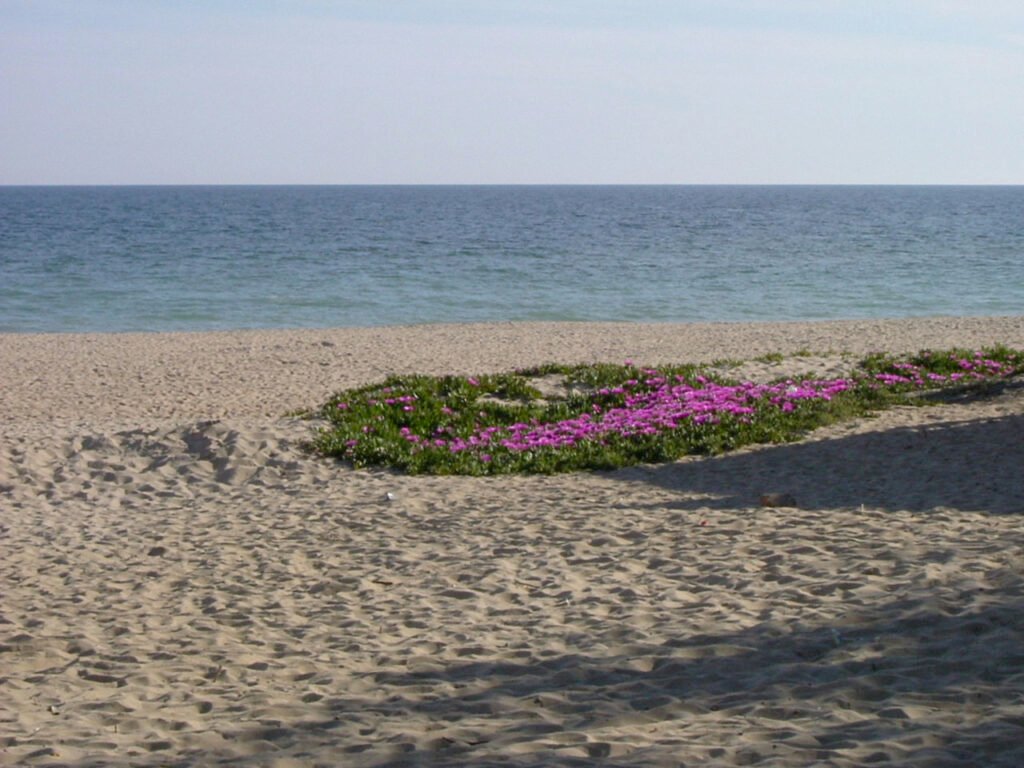
La Antilla, in Lepe, combines a long Atlantic beach with a well-established holiday neighbourhood. It can suit visitors who want enough facilities for a comfortable day but still prefer the feel of a Spanish seaside town.
Choose it for: an easy mix of beach and local restaurants. Beach access points and seasonal services differ; do not assume every stretch has identical facilities.
6. El Rompido and Flecha del Rompido: scenery and river-mouth landscapes
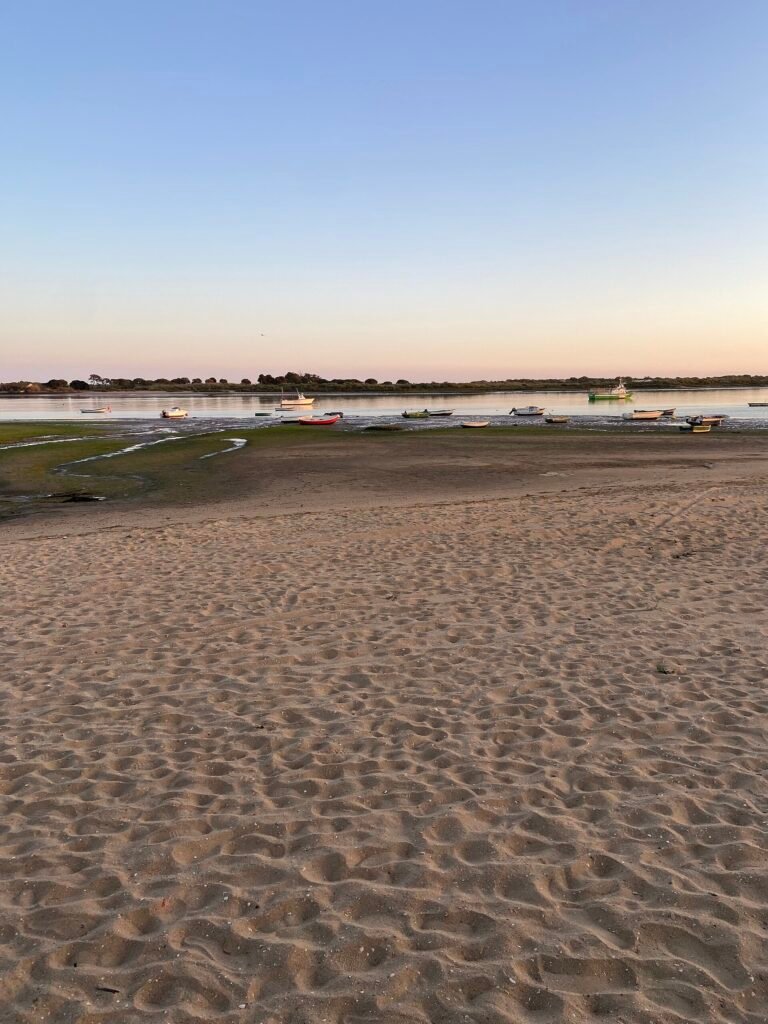
At the mouth of the Río Piedras, El Rompido offers an interesting contrast between an estuary-side village, boats and the protected sandy spit across the water. The unspoilt landscapes around the Flecha de El Rompido are a major draw for nature-minded visitors.
Choose it for: scenery and a slower experience. Access to the spit can require a boat service, and water conditions and protected-area rules must be respected. Do not assume you can walk directly there from the village.
7. El Portil: beach days beside dunes and wetlands
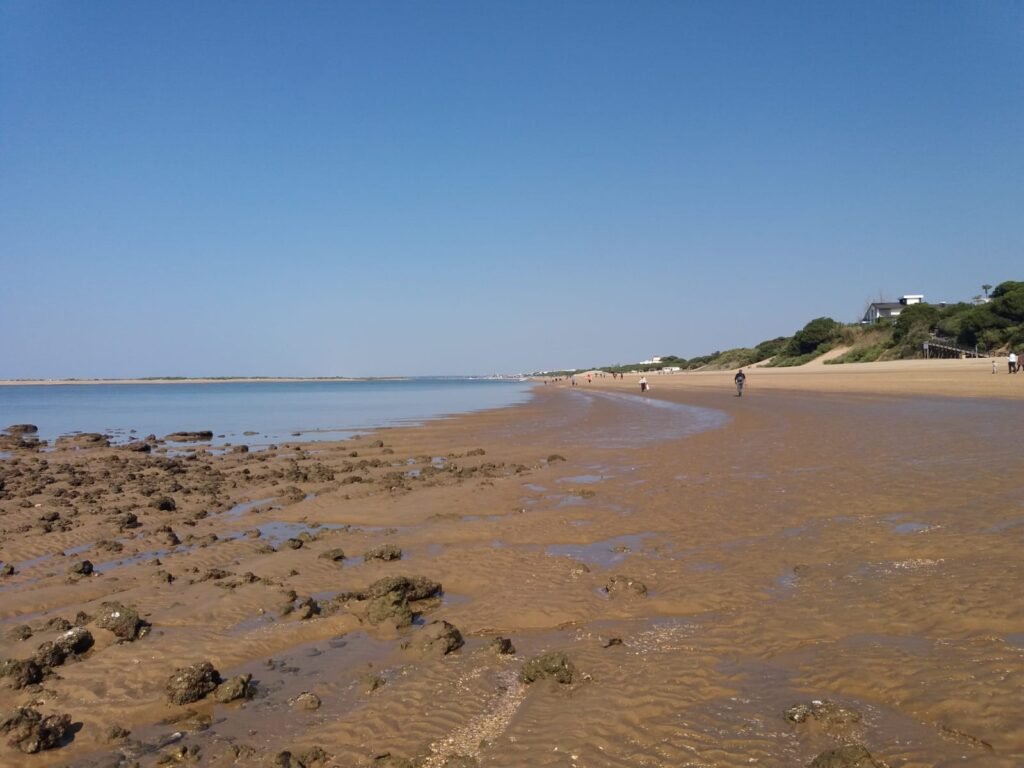
El Portil is a coastal settlement associated with sandy shores and nearby natural spaces including the Laguna de El Portil. It is a useful alternative if you want a beach holiday outside the busiest part of Punta Umbría.
Choose it for: a balanced beach-and-nature day. The area contains boundaries between El Portil and Nuevo Portil; check the exact address and access before navigating or booking.
8. Mazagón: a coastal resort beside pinewoods and cliffs
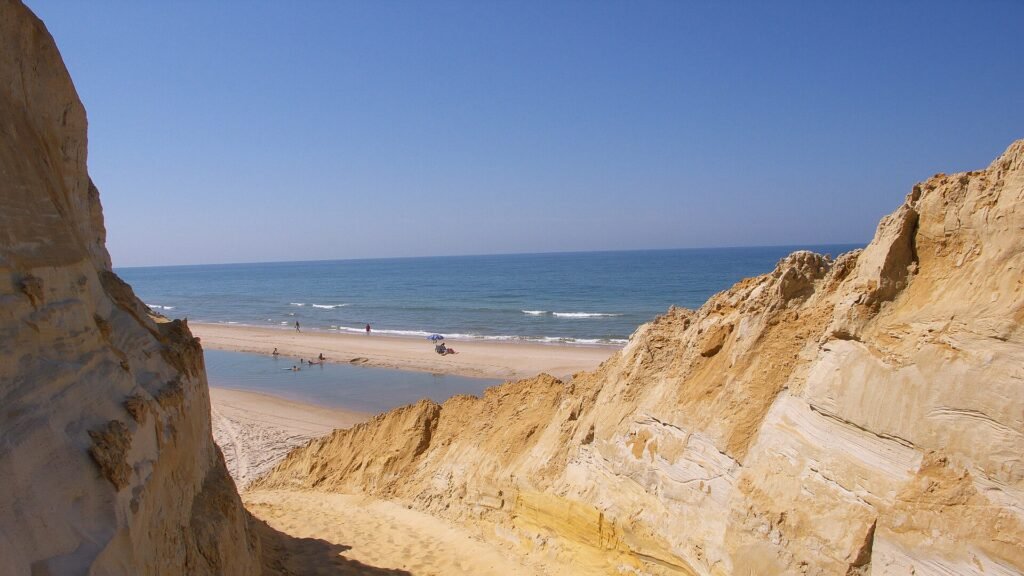
Mazagón is a seaside destination associated with both Moguer and Palos de la Frontera. The broad beach zone includes resort areas and longer, less built-up stretches near pinewoods and low coastal cliffs.
Choose it for: coastal scenery and variety. Facilities are much more concentrated in some sectors than others, so confirm where you will park, which access you will use and whether services will be open.
9. Matalascañas: a resort beach on the edge of Doñana
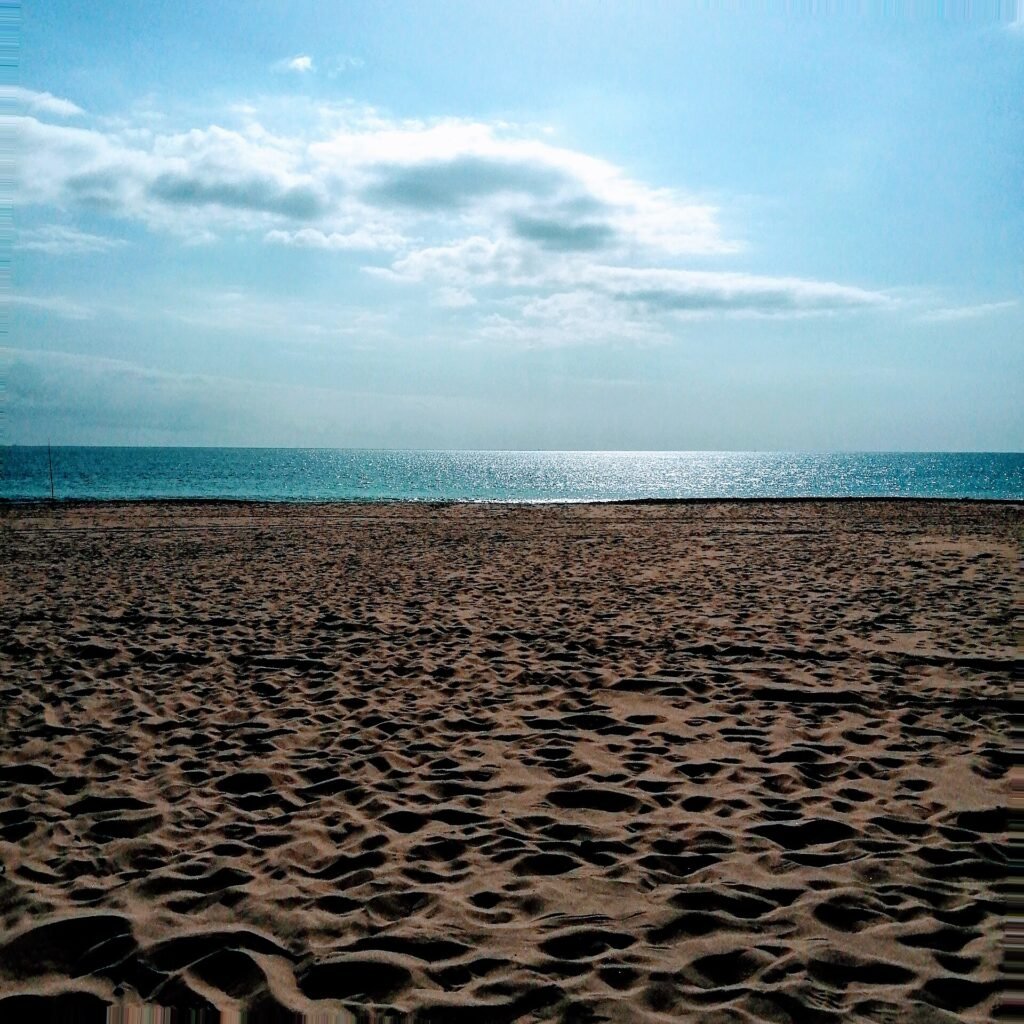
Matalascañas lies in Almonte municipality, close to the Doñana landscape. Its developed beachfront makes it a practical choice for travellers who want a resort-style stay with shops and eating options within reach.
Choose it for: a family-oriented holiday base and long beach walks. The shore is exposed to Atlantic conditions; respect bathing warnings and do not enter protected dune areas without authorised access.
10. Cuesta Maneli: a more natural coastline
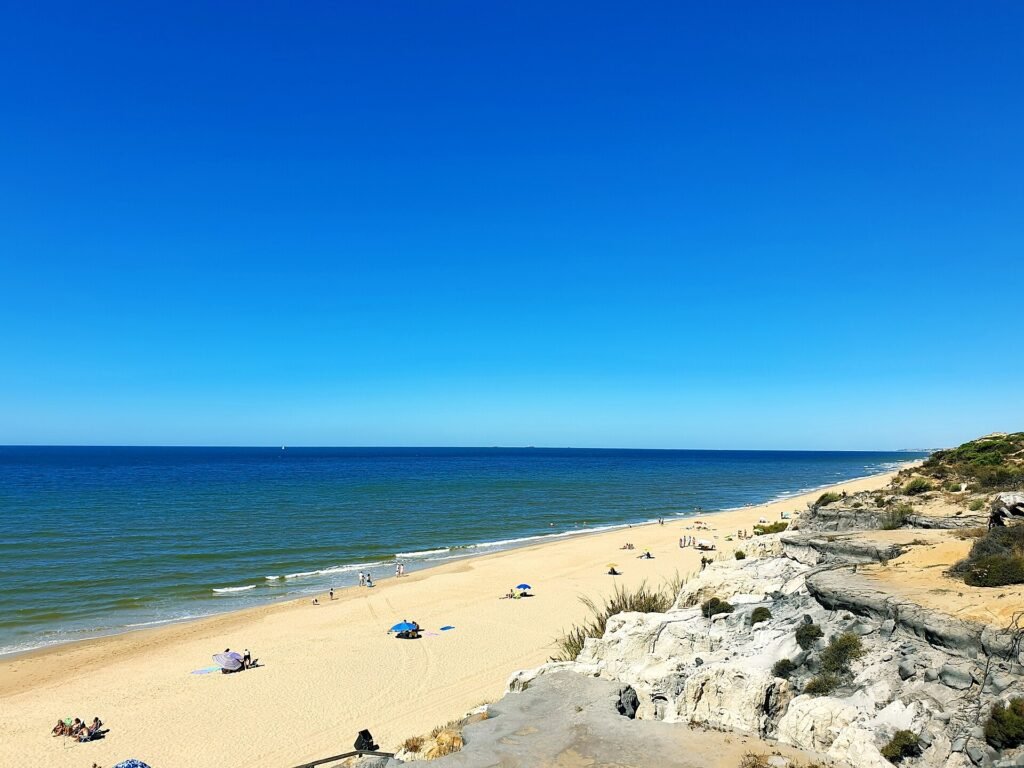
Cuesta Maneli is known for its scenic approach through a coastal landscape of pinewoods and dunes. It appeals to visitors who prefer a less urban beach setting and are comfortable with a walk from the access point.
Choose it for: scenery rather than extensive facilities. Check the condition and availability of the access path, any protected-area restrictions and whether you will need to bring your own drinking water.
Which Huelva beach should you choose?
For a straightforward day with urban services, start by comparing Punta Umbría, Islantilla, La Antilla or Matalascañas. For a wider stretch of sand and a more open feeling, Isla Canela is appealing. Isla Cristina suits travellers who also want a fishing-town atmosphere.
For a nature-focused day, investigate the El Rompido estuary and spit, the quieter stretches around Mazagón or Cuesta Maneli. These can require more effort than a typical resort beach, and protected landscapes are not places for improvising access.
Practical planning for the Costa de la Luz
Atlantic conditions change. Wind, currents, swell, tides and local flags matter more than photographs taken on a calm day. Do not swim where warnings advise against it, and supervise children closely.
Before leaving, check the destination municipality’s beach information for parking, access walkways, lifeguards, accessible facilities, pet restrictions and seasonal services. Pack sufficient drinking water and use recognised paths across dunes. Some beach names describe a long coast with multiple entrances: navigate to the correct access rather than to the name alone.
If you are staying in Huelva itself, most of these are outings to other municipalities. Allow for travel and parking rather than treating them as central-city beaches.