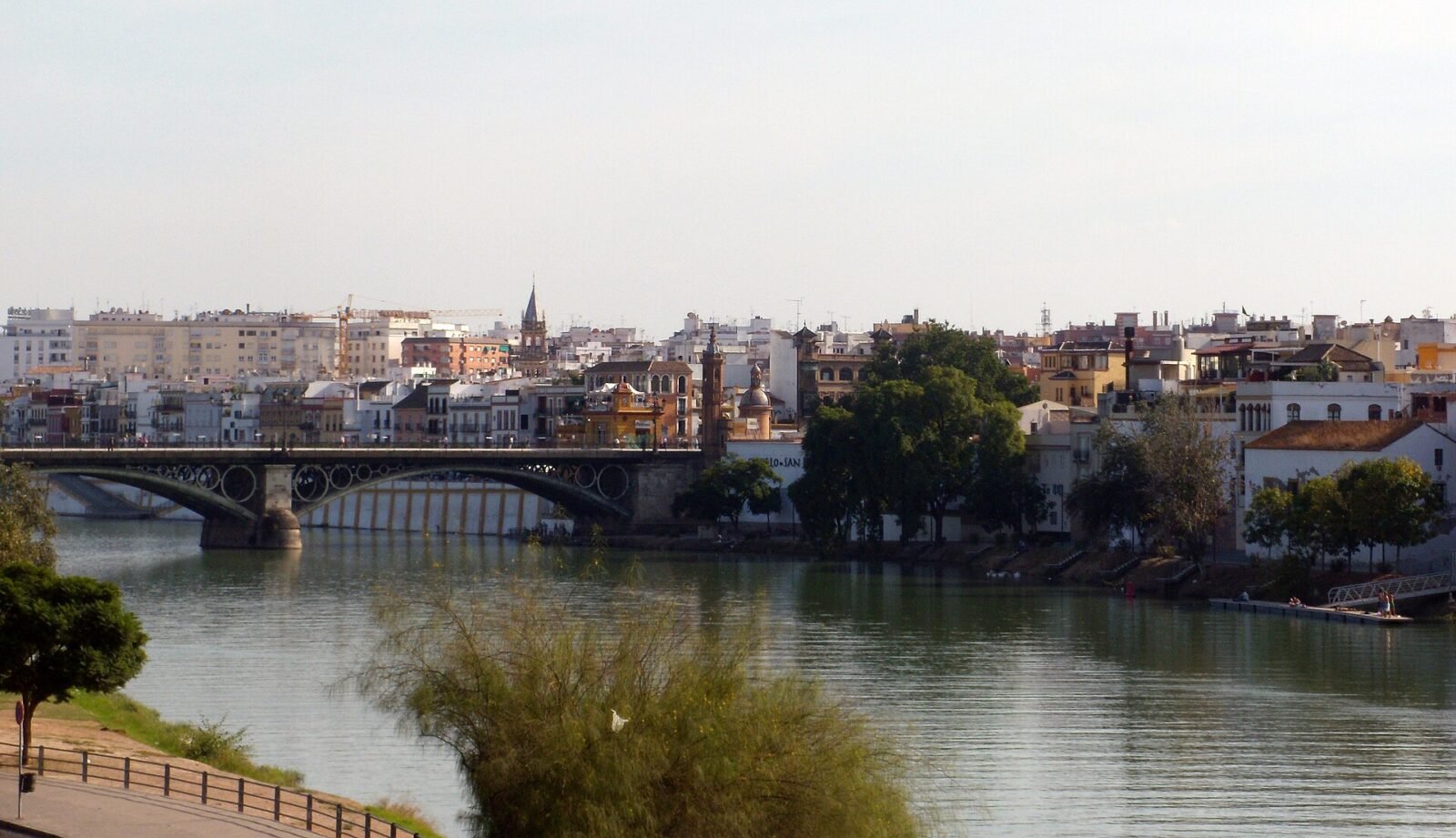
The best place to stay in Seville depends less on a hotel’s star rating than on the kind of visit you want. A room close to the cathedral can make early monument bookings effortless, while a base across the river or near a transport hub may suit a longer or quieter trip. A beautifully photographed street can also be surprisingly noisy after midnight.
This guide compares accommodation areas within Seville municipality. It deliberately avoids ranking individual hotels by price: room rates, availability and quality change by date, and a neighbourhood that suits a couple on a weekend may frustrate a family with a pushchair. Use these areas to narrow your search, then check the actual property address before paying.
Santa Cruz: best for a classic first visit
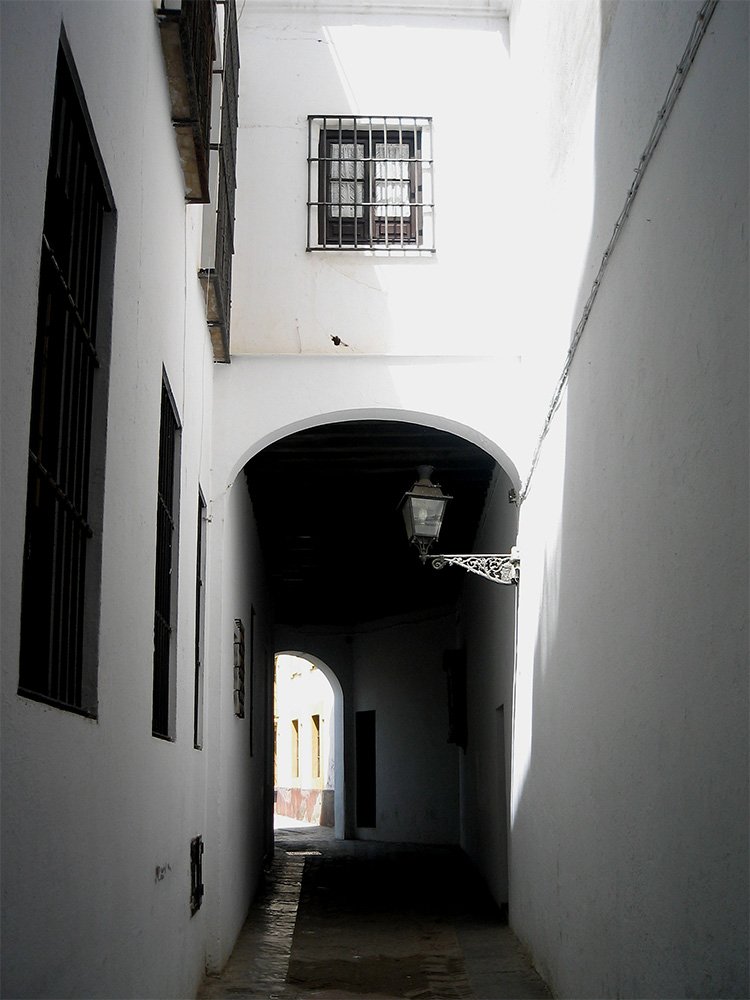
Santa Cruz places you close to Seville Cathedral, the Royal Alcázar and the small lanes of the historic centre. Staying here can be a delight if you plan early sightseeing or want to walk home after dinner without navigating public transport. Many streets are picturesque, with white facades and small squares.
The disadvantages are just as important. This is a heavily visited area with narrow streets and occasionally uneven paving. A taxi may not be able to reach the hotel door, and an attractive room above a busy passage is not guaranteed to be silent. Luggage, steps and accessibility deserve particular attention.
Best for: a first-time cultural trip and visitors who prioritise proximity to monuments. Check before booking: road access, lifts, actual street-facing window exposure and whether the room is above a lively bar.
El Arenal: best for central access and the riverside
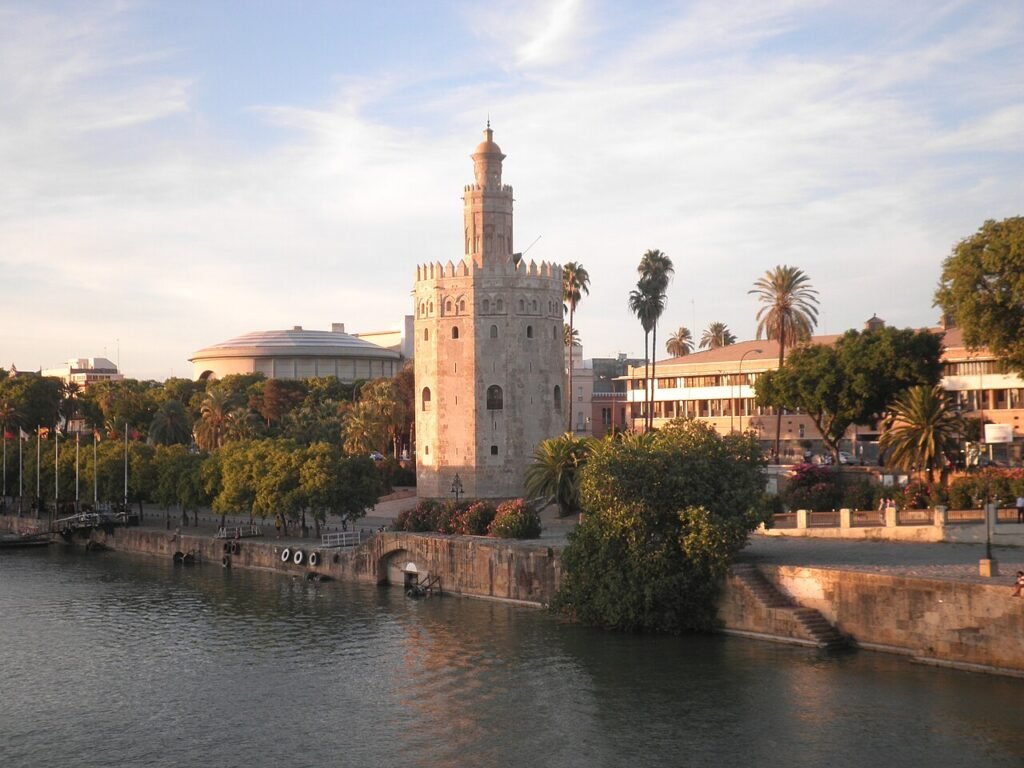
El Arenal stretches west of the cathedral towards the Guadalquivir. It offers a practical compromise: major sights are walkable, and the river, Teatro de la Maestranza and historic taverns are close. Travellers who enjoy switching between architecture, meals and a riverside stroll may find its geography easier than the tighter lanes of Santa Cruz.
That convenience also makes some streets busy. Accommodation near a restaurant terrace or a well-used pedestrian route may not feel peaceful in the evening. The name El Arenal covers several blocks, so compare your candidate hotel’s entrance on a map rather than choosing on neighbourhood label alone.
Best for: a short break built around sightseeing and eating out. Check: night-time noise, whether windows face the street, and access from the nearest taxi drop-off point.
Triana: best for a different neighbourhood atmosphere
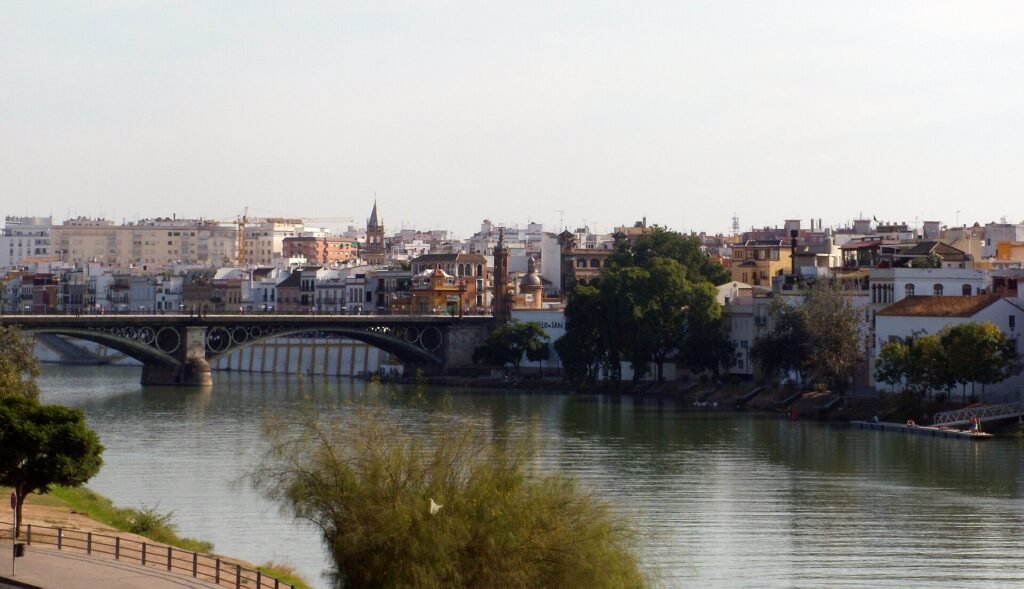
Across Isabel II Bridge, Triana has its own strong identity shaped by ceramic production, markets and music. It is a good base for travellers who want to explore beyond the cathedral quarter while still being connected to the historic centre. The market area, Calle San Jacinto and streets away from the river each have a different feel.
Do not assume every Triana address is equally convenient. From some streets you can quickly cross the bridge; from others your daily walk to the cathedral will be longer. Calle Betis has striking views but can also be lively. Check the route to your main sights and the soundproofing of rooms above restaurants.
Best for: repeat visitors, food-focused trips and those who enjoy a distinctive local district. Check: bridge-crossing routes, distance to the centre and the exact noise environment.
Alfalfa and Encarnación: best for central streets and dining options

The area around Plaza de la Alfalfa, Plaza del Salvador and Las Setas makes an appealing base if you want shops, cafés, bars and a busy urban atmosphere near your door. It is within the wider historic centre without placing you in quite the same monument-focused setting as Santa Cruz.
Centrality is its main strength. You can vary your daily route, visiting the cathedral in one direction and the Alameda area in another. Its main weakness is potential noise, especially around squares that stay social well into the evening. A quiet side street can make a significant difference.
Best for: travellers who expect to eat out often and enjoy walking. Check: sound insulation, air-conditioning, lifts and whether the advertised address is a short walk from the area you actually want.
Alameda de Hércules and San Lorenzo: best for evenings and longer stays
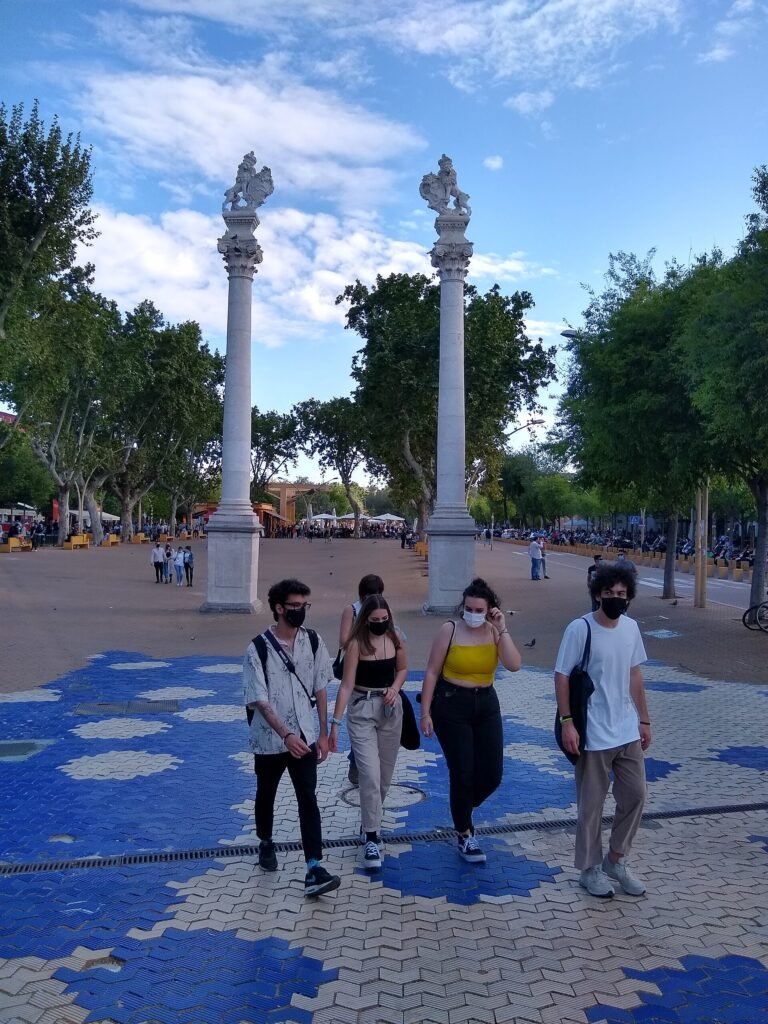
Alameda de Hércules is known for its broad open space, cafés and cultural venues. San Lorenzo, nearby but with a different character, includes historic streets and notable food addresses. These northern-centre locations can feel less like a tight tourist corridor, especially on a longer stay where you want a familiar local café.
There are trade-offs: your walk to the Alcázar will be longer than from Santa Cruz, and a room directly overlooking a lively part of Alameda may suffer from night-time sound. Some quieter side streets and apartment-style accommodation can work well, but photographs alone cannot tell you how a building handles noise.
Best for: travellers who value evening restaurants or a longer, neighbourhood-oriented stay. Check: distance to booked attractions, late-night sound and whether a property has a proper reception arrangement.
Nervión and around Santa Justa: best for transport convenience
Nervión is a more modern and residential-commercial part of Seville to the east of the historic centre. Shops, the Ramón Sánchez-Pizjuán Stadium and transport connections define much of its character. Accommodation near Santa Justa railway station can be practical for an early train or a trip involving several Spanish cities.
It is not the most atmospheric choice for someone whose main wish is to open the hotel door directly onto medieval lanes. But visitors who value predictable street access, a broad range of services or easy luggage handling may appreciate it. Some hotels are close to the station rather than inside the Nervión neighbourhood, so evaluate their actual location.
Best for: train-based itineraries, business travel and a practical city base. Check: walking distance to Santa Justa, bus/metro connections and football-match crowds near the stadium.
Los Remedios and the southern parks: best for a calmer base

Los Remedios is a more residential district across the river from much of the historic centre, with broad streets, shops and places to eat. It can appeal to travellers who want to return to a less tourist-saturated neighbourhood at the end of the day. The district is associated with the Feria de Abril grounds, which are an important consideration during festival periods.
For visitors interested in María Luisa Park and Plaza de España, the southern part of the centre and adjacent residential areas can also be convenient. These choices are less about sleeping beside the cathedral and more about matching the geography of your interests.
Best for: travellers preferring a residential feel, or people spending time around the park and exhibition-era buildings. Check: the nearest crossing or transit stop, festival dates and the route to your sightseeing priorities.
Macarena: best for exploring beyond the main monument circuit
The Macarena area north of the central tourist axis offers religious heritage, surviving city walls and neighbourhood markets. Staying here can make sense if you enjoy walking through less monument-heavy streets and want a base for independent exploration.
It is a geographically varied area: some addresses are still comfortable walks from Las Setas, whereas others feel far from the cathedral on a hot afternoon. Never book solely because the listing says “Macarena”. Check the street, transit stops and practical evening route to the building.
Best for: repeat visitors and travellers who place neighbourhood discovery above the shortest possible journey to major sights. Check: exact location and realistic travel distance.
How to pick the right room, not just the right district
- Mark three places you expect to visit: compare actual walking or public-transport routes from the proposed property rather than relying on “central” in the listing.
- Look at the entrance: an accommodation may have no direct vehicle access on a pedestrian street; request arrival instructions when travelling with luggage.
- Confirm accessibility: check lift dimensions, stairs, bathrooms, step-free entry and the route outside; “accessible” may not mean every room is suitable.
- Plan for heat: if travelling in warmer weather, confirm functional cooling and whether windows face the sun.
- Review cancellation terms: prices fluctuate around festivals and events. Compare total costs and whether a booking is refundable.
- Choose sleep over scenery when necessary: an interior room may be a better choice than a noisy balcony over a lively square.
For most first-time tourists, Santa Cruz, El Arenal or the broader historic centre is the simplest starting point. For a different atmosphere, Triana or Alameda may be more enjoyable. A useful accommodation choice makes your particular trip easier; it does not need to match anyone else’s favourite neighbourhood.
Photo information
Photographs are displayed as web-size responsive copies without cropping or retouching. Photographer links lead to original file pages containing the work titles and source details. Each photo retains its linked licence.