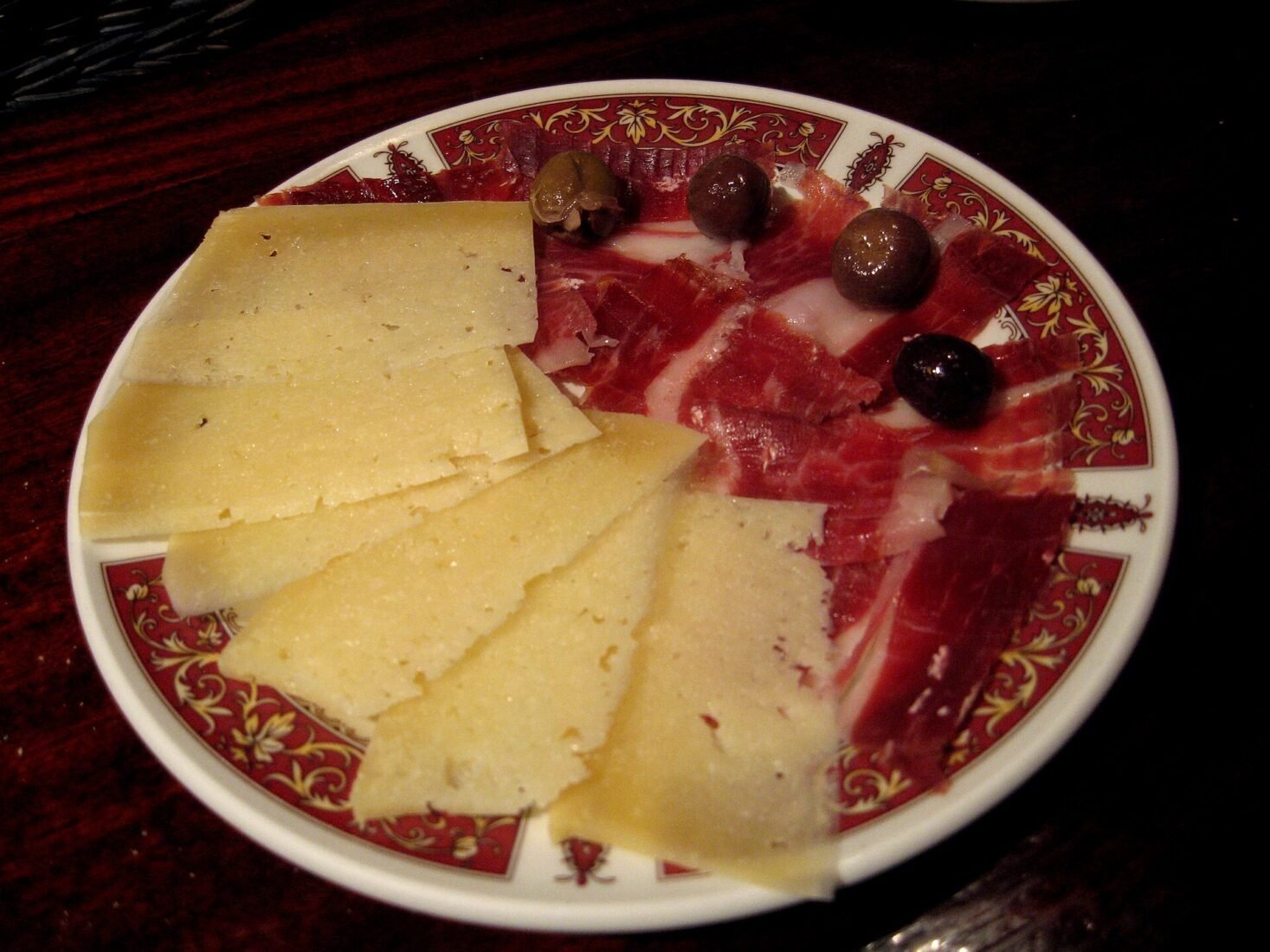
Eating well in Seville starts with understanding the rhythm of the city, not with finding a single supposedly perfect restaurant. A visitor can have a memorable meal standing at a traditional counter, sharing a few dishes at a market or sitting down for a longer dinner. This guide explains the foods worth recognising, the neighbourhoods in which to look for them and the decisions that make eating out easier.
Seville’s food culture is both local and varied. Some dishes are associated with Andalusian home cooking, while others reflect the city’s connections with inland agriculture, coastal fish and centuries of trade. The places below are all within Seville municipality; they are suggested as useful starting points, not promises that every dish will be available every day.
How tapas work in Seville
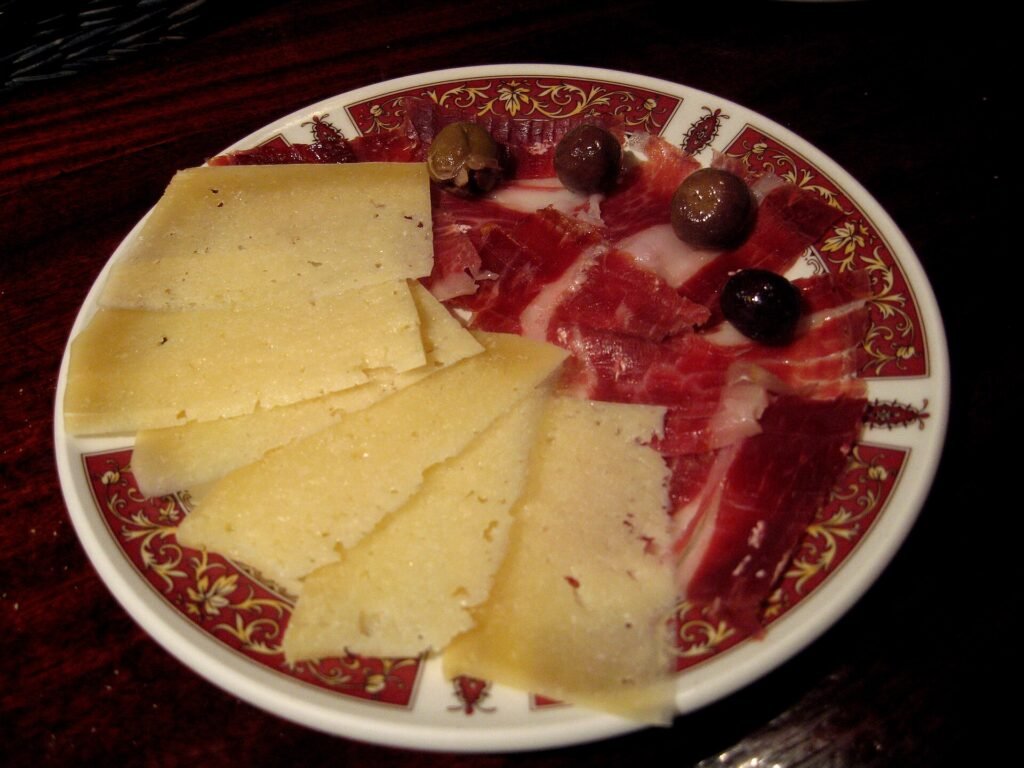
Tapas are small portions, but menus often offer the same dish in more than one size. You may see tapa, media ración (half portion) and ración (larger plate). Not every establishment offers every size, so ask before building an order. In a pair, starting with two tapas and reassessing can be more enjoyable than ordering several large plates at once.
At a busy traditional bar, part of the experience may be standing near the counter; elsewhere, tables and reservations are the norm. Ask whether you can order at the bar or should wait for staff. Do not assume a free tapa comes with every drink: that convention varies considerably by city and establishment, and is not the standard rule to plan around in Seville.
If a dish is unfamiliar, ask what it contains. Sin carne means without meat, but a vegetable-sounding stew can still use stock or animal ingredients. Allergens, fried-food cross-contact and dietary needs deserve a direct conversation with staff rather than guesswork from a translation.
Traditional foods worth knowing
Espinacas con garbanzos combines spinach and chickpeas, often with aromatic seasonings. Carrillada is slow-cooked cheek meat with a rich sauce. Papas aliñás is a chilled dressed-potato dish, while pavía de bacalao is battered cod. Pringá takes meats from a traditional stew and is often served in a small bread roll.
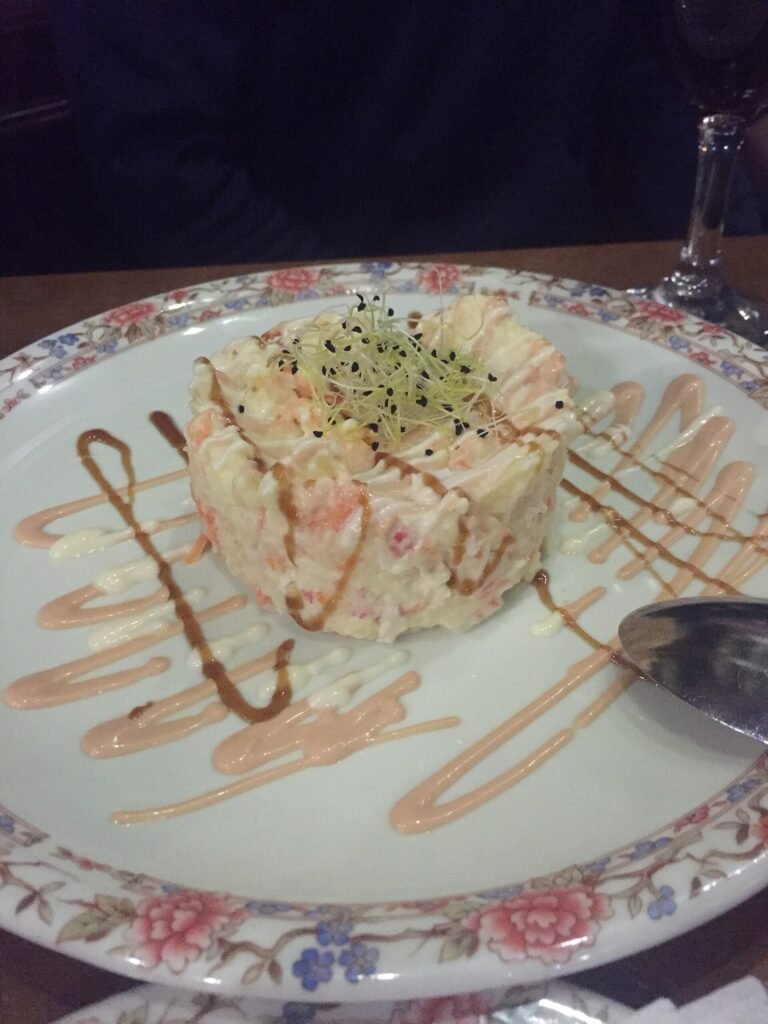
Other names to recognise include solomillo al whisky, pork tenderloin in a garlicky sauce despite the dish’s distinctive name; ensaladilla, usually a chilled potato-based salad; and adobo, marinated fish that may be fried. Salmorejo and gazpacho are different cold preparations worth comparing, particularly when available in warmer weather.
The city’s official tourism guide documents many of these tapas. Treat the list as a vocabulary to explore, not as a fixed tasting menu: recipes vary, seasonal availability matters and vegetarian or gluten-free versions should never be assumed.
Mercado de Triana: food culture beside the bridge
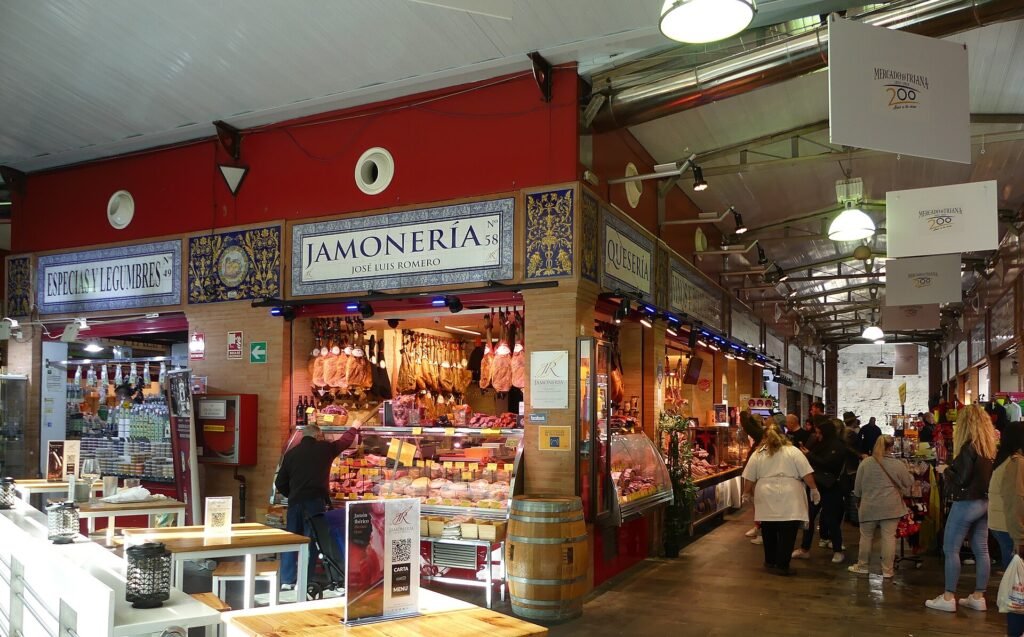
Mercado de Triana, close to Plaza del Altozano, is a practical introduction to food as part of daily city life. The market brings together produce and specialist stalls, with opportunities to eat in or around the complex. It is also an appealing first stop after crossing the Isabel II Bridge from the centre.
Go with the intention of looking rather than immediately choosing a restaurant. Notice seasonal fruit, fish displays, cheeses and preserved products before deciding what to try. A busy market is also a workplace; avoid blocking counters, ask before photographing individuals and let shoppers reach the stalls.
Planning tip: The schedules of traditional market stalls and eating venues may differ. For the fullest market experience, favour a morning visit and confirm individual businesses’ hours separately.
Mercado de Feria: a different side of the centre
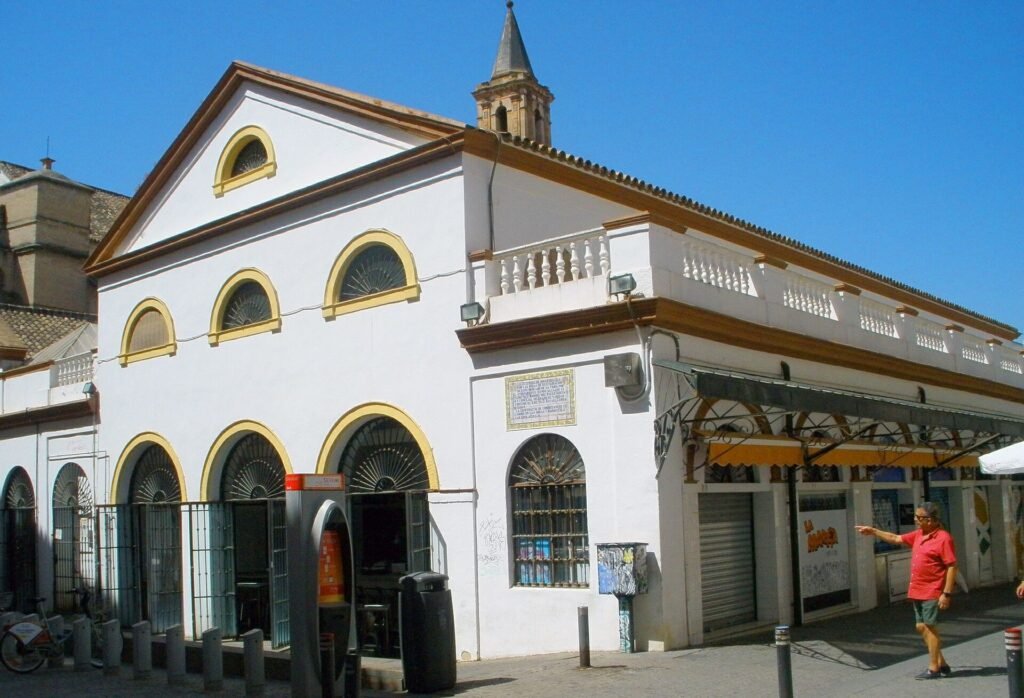
Mercado de Feria on the northern side of the historic centre has roots going back centuries and serves a neighbourhood that is rewarding to explore on foot. It offers a contrast to the monuments around the cathedral: food counters, ingredients, conversations and the ordinary pace of shopping are central to the visit.
Combine the market with the surrounding Calle Feria area and nearby squares. If you see a tempting dish, find out whether it is a small tapa or a full portion and whether table service is offered. The official tourism site specifically highlights the market as one of the city’s traditional food-shopping destinations.
Planning tip: This is better approached as part of a daytime neighbourhood walk than as an assumed late-night restaurant destination. Check the opening times of any specific stall you want to visit.
Where to eat, neighbourhood by neighbourhood
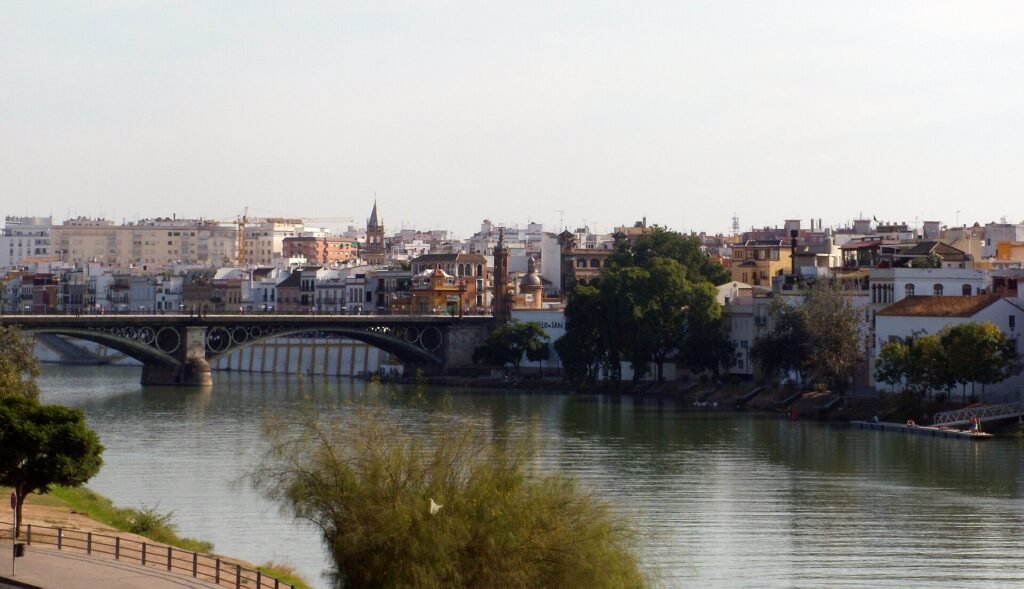
El Arenal for old-style taverns and variety
West of the cathedral towards the river, El Arenal combines traditional bars and more formal dining. It is especially convenient for a meal between the historic centre and a Guadalquivir walk. When a street offers several attractive restaurants, look at menus and portion sizes rather than choosing entirely from terrace photos.
Triana for ceramics, markets and relaxed exploring
Triana’s food scene fits naturally with its market and riverside streets. Calle San Jacinto and streets around Plaza del Altozano are useful starting points; do not limit yourself to waterside tables if you want to compare choices. The district’s distinctive heritage makes this an enjoyable neighbourhood in which to spend an entire morning or evening.
Santa Cruz for convenience, with some selectivity
Santa Cruz is highly visited, but being in a tourist area does not automatically make a restaurant bad. Read the actual menu, decide whether you want a quick tapa or a full meal and avoid taking a host’s invitation as your only comparison. At peak times, having a second option nearby helps.
Alameda and San Lorenzo for a different evening
The northern part of the centre mixes older taverns with more contemporary bars. Alameda de Hércules is useful if you want dinner followed by a walk or drinks, while San Lorenzo is associated with several well-established dining addresses. Keep in mind that a lively plaza may not suit anyone seeking an early, quiet night.
A sensible way to build one food-focused day
Start with coffee and breakfast in your own neighbourhood rather than crossing the city for a supposedly essential café. Move to a traditional market while stalls are active; Mercado de Feria or Mercado de Triana both work. At lunch, select a nearby bar and order a couple of traditional dishes you have not tried before.
Spend the afternoon visiting attractions or resting. For dinner, choose a different neighbourhood and dining format: if lunch involved hearty stews at a counter, consider seafood, seasonal vegetables or a longer seated meal. That creates variety without needing a large list of restaurants or multiple taxi journeys.
A particular dish can be unavailable, and menus change. Ask about the day’s specials if offered, but do not assume a suggested speciality is permanently on the menu.
Ordering, timing and avoiding disappointment
- Meal times: Lunch and dinner often begin later than visitors from some countries expect, but opening patterns vary; verify a specific kitchen instead of relying on a universal timetable.
- Prices: Compare tapa and portion sizes, cover charges if displayed, and drink costs on the actual menu. Do not rely on old online screenshots.
- Reservations: They are valuable at popular sit-down restaurants, less relevant at bars that specifically operate walk-in tapas counters.
- Payment: Carry a payment card and a little cash. Confirm accepted methods at smaller venues rather than assuming.
- Food allergies: Speak directly to staff about ingredients and preparation; fried fish, bread and shared equipment can make cross-contact important.
- Respect: Market vendors and tapas counters serve regular customers too. Make space, be patient and ask before recording staff or other diners.
The best approach is flexible: recognise a handful of local dishes, compare a few neighbourhoods and give yourself permission to stop when you are satisfied. Seville’s food culture is an everyday practice, not a checklist of twenty-five plates.
Photo information
Photographs are displayed as web-size responsive copies without cropping or retouching. Photographer links lead to original file pages containing the work titles and source details. Each photo retains its linked licence.