The best way to understand Isla Cristina’s food is to remember what the town does for a living. Fishing is not decorative heritage here: it shapes the market, the local vocabulary and the dishes that appear on menus. That is why ordering something caught or preserved from the sea can be more interesting than hunting for a fashionable restaurant.
This guide focuses on what to eat, how the dishes differ, how to choose a place and what to ask before ordering. It does not rank restaurants by unverified reviews or promise that today’s catch will be available tomorrow.
Start with the fish, not a fixed restaurant list
Isla Cristina has a major fishing port, and its municipal gastronomic guide identifies seafood, fresh fish and preserved products as defining parts of the local table. Instead of choosing a restaurant because it claims to serve the “best” seafood, read the menu and ask which fish are currently available and how they are prepared.
Terms such as del día (of the day), a la plancha (grilled on a hot plate), frito (fried) and en salsa (in sauce) are useful to recognise. A place that does a few well-chosen preparations can be as rewarding as one with a very long menu.
White prawns and other shellfish
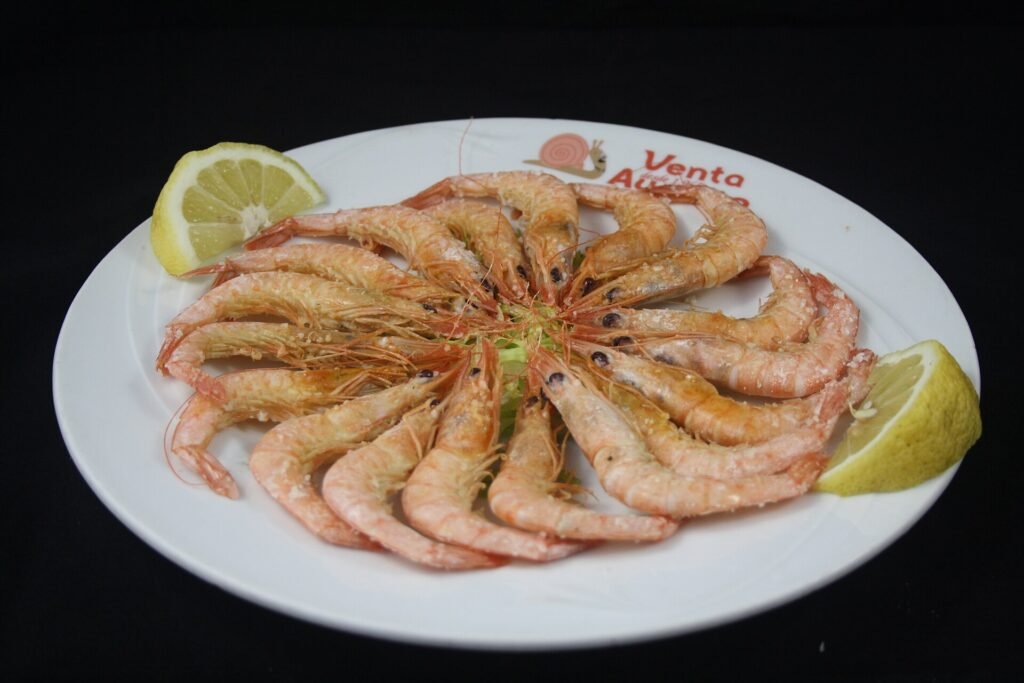
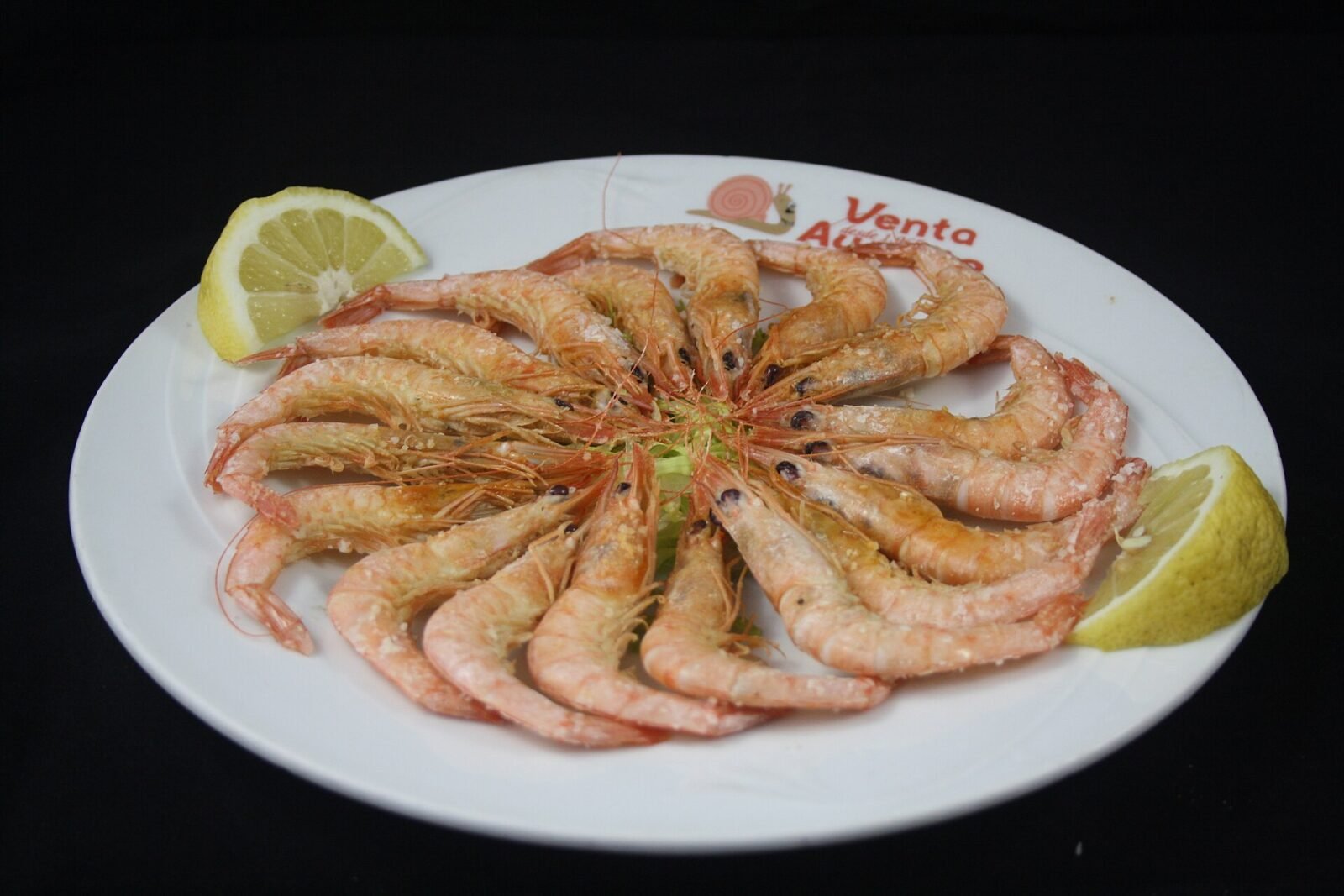
Gambas blancas de Huelva are among the Province of Huelva’s best-known seafood products. They are often enjoyed simply cooked, making texture and freshness more important than a complicated sauce. In Isla Cristina, shellfish may be offered by weight, by plate or as a portion; clarify which before ordering.
Some seafood is priced according to size, origin and market conditions. If a dish is marked según mercado or priced by weight, ask what the portion will cost before it reaches the table. Visitors unfamiliar with whole prawns should also expect heads and shells rather than a peeled preparation.
Mojama de Isla Cristina: a local speciality with a protected name
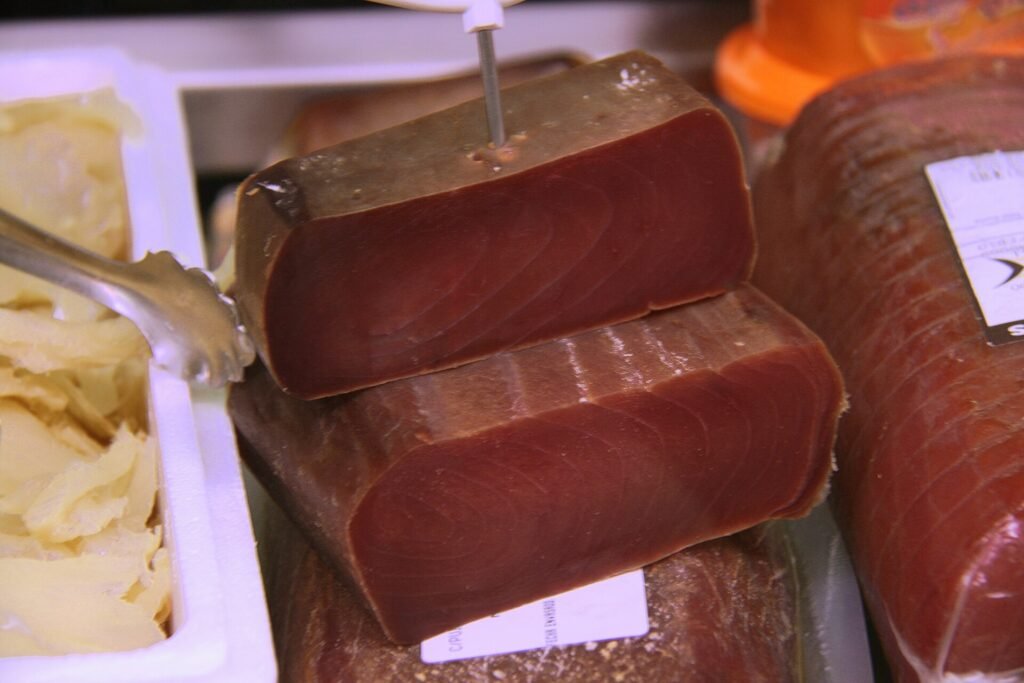
Mojama is salted and cured tuna loin served in thin slices. It has a concentrated, savoury taste and a firm texture; a small portion can go a long way. It is often eaten as an appetiser, sometimes with olive oil or accompaniments that balance its saltiness.
Mojama de Isla Cristina is also a Protected Geographical Indication (PGI). The official specification covers production in several municipalities of the western Province of Huelva, not just within Isla Cristina town. To buy the protected product rather than any generic cured tuna, look for its PGI designation and labelling. The official Andalusian quality-products listing explains the designation.
Raya en pimentón: a stew worth seeking out
One of the more distinctive local dishes is raya en pimentón, skate prepared with a paprika-based seasoning or sauce. It is quite unlike simply grilled fish, with a more assertive, homely character that fits Isla Cristina’s tradition of marine stews.
Not every kitchen serves it daily. If you see it on a board of specials, ask whether it is available and how it is cooked. This is a better strategy than expecting a particular restaurant to have the same stew year-round.
Choco, from simple frying to hearty dishes
In western Andalusia, choco means cuttlefish. It appears on menus in more than one form: fried pieces, grilled portions and hearty combinations with vegetables. The local guide specifically highlights habas con choco, a dish that brings broad beans and cuttlefish together.
For a shared meal, consider ordering one straightforward fried or grilled seafood dish alongside a stew or vegetable-based preparation. That allows you to notice how ingredients change depending on cooking technique.
Fish of the day: sardines, sole and tuna
The municipal food information mentions sardines, sole and other fresh fish associated with the port. Sardines are particularly good for anyone who appreciates a strongly flavoured fish, while sole often appears as a more delicate option. Tuna can be prepared in several ways, including dishes based on preserved or salted cuts.
Availability changes with fishing seasons, weather, catch restrictions and what each kitchen buys. Ask whether the fish is local and fresh if that matters to you, and do not assume that every item on a long seafood menu came directly from Isla Cristina’s port.
Coca Isleña: save room for a local sweet
For dessert, look for Coca Isleña, a traditional sweet associated with Isla Cristina and especially with Holy Week. The municipality describes a preparation involving almonds and cidra, a preserve made from citron-type squash. The combination is richer and more distinctive than a generic sponge cake.
The fact that a dessert is traditional does not mean it appears in every café. Local bakeries and pastry counters may be better places to ask about it, and some serve it outside the Easter period. If it is not available, enjoy what is freshly made instead of expecting an off-season speciality.
Where to eat: choose an area to suit the meal
Town centre and plazas
The central streets around Paseo de las Flores and Plaza de San Francisco are useful when you want a meal as part of a walk through Isla Cristina itself. They also make practical meeting points for groups arriving from different areas.
Harbour surroundings
The town’s maritime setting is the natural backdrop for a seafood-focused meal. Remember that a waterside address is not a guarantee of today’s catch; compare menus and ask questions.
Beach and Islantilla areas
In beach season, coastal restaurants and chiringuitos are convenient when you don’t want to return to town for lunch. Seasonal opening and prices can differ significantly, so confirm before setting off. Islantilla is shared with Lepe and should not be confused with the central fishing town.
How to order without surprises
- Ask about portions: tapa, media ración and ración can be different sizes, and not every restaurant offers all three.
- Check seafood prices: especially when sold by weight, by unit or at market price.
- Tell staff about allergies: shellfish, fish and gluten can appear in broths, batters and sauces; do not rely on appearance alone.
- Order a contrast: for example, a plate of mojama followed by a warm fish dish instead of three similar fried portions.
- Consider timing: traditional lunch may start later than some visitors expect; confirm kitchen hours, not merely bar opening times.
Good food writing should not pretend that one restaurant or one season can represent an entire fishing town. Use local dishes as a starting point, ask about the catch and leave room to be guided by what the kitchen can serve well that day.
A simple tasting plan
For a first meal, begin with a small portion of cured tuna if you enjoy salty, concentrated flavours, then choose a fresh fish or shellfish dish and something vegetable-led to share. If you see raya en pimentón or habas con choco, they offer a chance to try the town’s cooking beyond the familiar fried seafood plate.
End by asking whether Coca Isleña is available. Before shopping for edible souvenirs, check packaging, storage guidance and the PGI label on cured fish. For a broader view of the town’s identity, combine a food stop with a visit to its public waterfront or a municipal fishing-heritage experience when offered.