It is easy to arrive in Isla Cristina expecting little more than an Atlantic beach. Stay for a while and another place begins to emerge: working fishing quays, streets that reflect the wealth of the old canning trade, a celebrated Carnival and tidal marshes where the landscape seems to rearrange itself with the water.
The town sits on the western Costa de la Luz, in the Province of Huelva. You can make a satisfying visit without racing through monuments. The best approach is to mix a few stops in the town centre with one coastal walk and, if you have more time, a separate trip to the beaches or marshland.
Start at the waterfront, not the beach
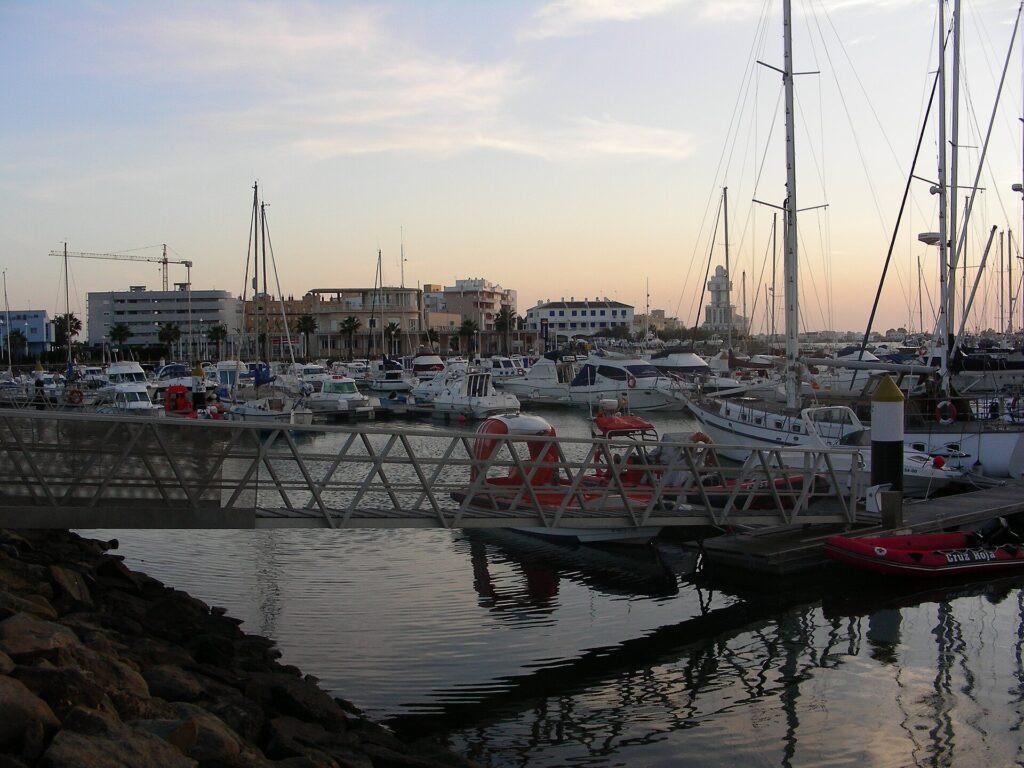
The fishing port explains more about Isla Cristina than any postcard. The harbour has long supported fleets, fish trading and the businesses that prepare and preserve catches. Walk around the public waterfront and pay attention to the contrast between working vessels and the leisure marina: they share the same maritime setting but serve very different purposes.
Do not assume the auction hall, docks or unloading areas are open to independent visitors. They are working premises. The town’s tourism programme lists a Ruta de la Lonja, which is a better way to learn how fish reaches the market when a supervised visit is available. Ask the tourist office about current dates and access rather than attempting to follow harbour staff into operational zones.
Discover Isla Cristina’s relationship with fish and preserves
Fishing here also has an industrial and social story. The historic canning and salting trade left its mark on the town’s buildings, employment and food culture. The municipal heritage inventory identifies the Centro de Interpretación de la Pesca CIT-Garum as a place linked to that story; confirm whether it is currently welcoming visitors before making a special journey.
Even without an exhibition, you can put the harbour in context by noting former canning-era houses and the changing architecture around the centre. It is worth asking at the tourist office for a heritage route: individual buildings may remain private, so the exterior is often the part to appreciate.
Explore Paseo de las Flores and the old centre
The town’s public spaces are more intimate than the grand plazas found in Andalusia’s larger cities. Paseo de las Flores and nearby streets make an easy, low-pressure starting point for walking, stopping for coffee and watching the everyday pace of Isla Cristina.
Look for some of the nineteenth-century houses associated with the canning bourgeoisie. The municipality lists Casa Gildita, Casa Blas Infante and the former residence of Román Pérez Romeu, now used as a municipal library, among its heritage buildings. They tell a story of industry, patronage and a town shaped by the sea. Treat these as architectural points of interest, not necessarily as buildings with public interiors.
Learn why Carnival matters so much
Isla Cristina’s Carnival is not a tourist add-on: music, costumes and local performance have a deep place in the town’s calendar. The Muestra del Carnaval at Casa Patio San Francisco explores the event through posters, costumes, audiovisual material and memories of past editions. It is a particularly worthwhile indoor stop if you are visiting outside Carnival season.
The municipal exhibition has published visiting arrangements, but programmes can change around holidays or events. If you are planning a specific visit, check with the municipal exhibition website rather than relying on a third-party listing. If your trip coincides with Carnival, choose the events you want to attend in advance and expect a busier town centre.
Look for the story in its churches and civic buildings
For a different sort of walk, seek out Iglesia de Nuestra Señora de los Dolores and other landmarks from the municipal heritage list. Rather than building an itinerary around assumptions about their age or interiors, look at how the churches sit within the town: their façades, entrances and adjoining streets contribute to the local character.
Religious buildings are active places of worship. Visiting conditions may be governed by services rather than tourist opening times. If a church is closed, the surrounding public space can still be a worthwhile short stop.
Walk beside the protected Marismas de Isla Cristina
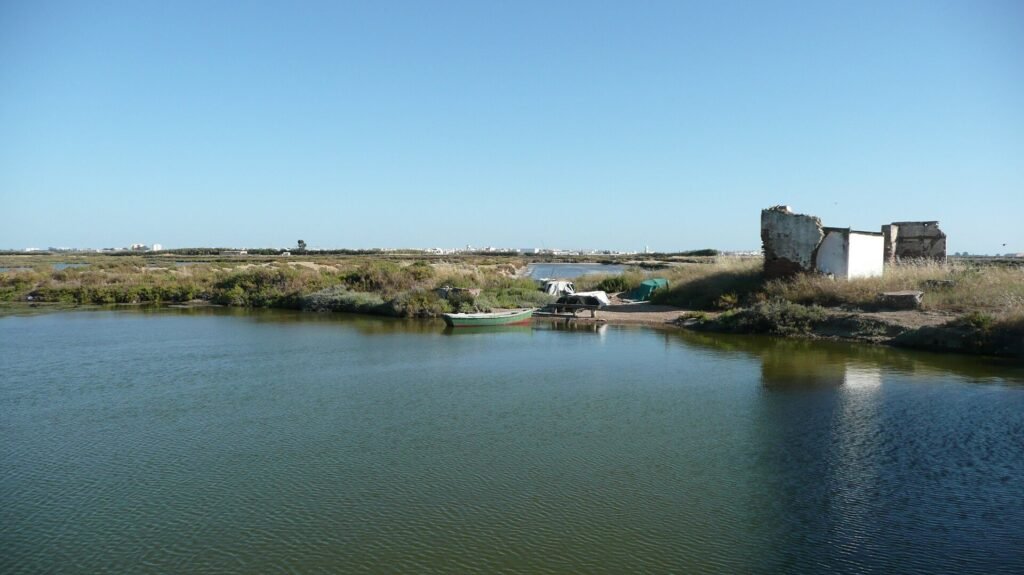
Just away from the town’s streets, the scenery changes to creeks, saltmarsh vegetation and broad skies. The Marismas de Isla Cristina natural area is a protected wetland, important for birdlife and coastal ecology. Its edges can be explored on suitable public trails and observation points; some routes lead past traditional salt-working landscapes.
Bring binoculars if you have them and keep to marked routes. A marsh is not a park with a guaranteed dry loop: tides, exposure, weather and conservation measures influence what is sensible. The landscape is rewarding even when birds are distant, because the mix of water channels, salt-tolerant plants and salt pans makes the area’s working ecology visible.
Take a coastal walk on the Ruta del Camaleón
Isla Cristina’s Ruta del Camaleón follows the sandy woodland and dune setting behind the beaches. Municipal tourism describes a route connecting the Parque Litoral and the Casita Azul area. It offers a different perspective from a beach towel: pine shade, dune plants and glimpses of the Atlantic through coastal vegetation.
Use existing paths and boardwalks rather than cutting through dunes, which protect the coast and support wildlife. Pack water and remember that the outward route is not necessarily a circular walk. If you are travelling with a pushchair or wheelchair, check the specific stretch and surface rather than assuming every section is step-free.
Choose a beach with the right atmosphere
For a convenient swim and beach facilities, Playa Central is a sensible starting point. For a more nature-focused setting, investigate Parque Litoral or Casita Azul. If you prefer a promenade and nearby holiday infrastructure, look towards Islantilla, which is shared by Isla Cristina and Lepe.
These beaches do not offer identical access, shelter or services. Lifeguard coverage, adapted areas and cafés depend on the exact beach and season. The municipal beach directory is the right place to start comparing facilities before you choose.
Spend a relaxed hour near the Carreras estuary
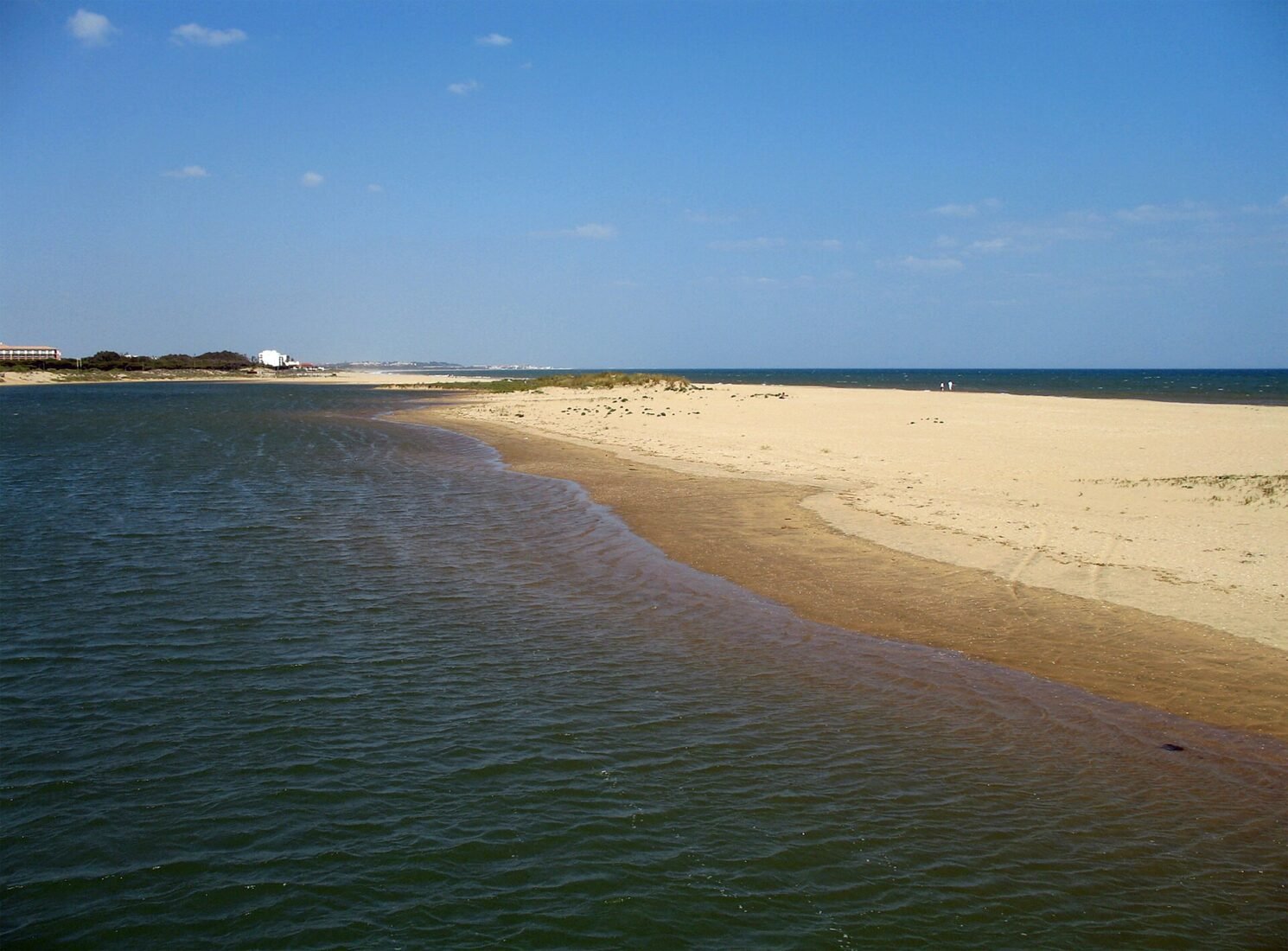
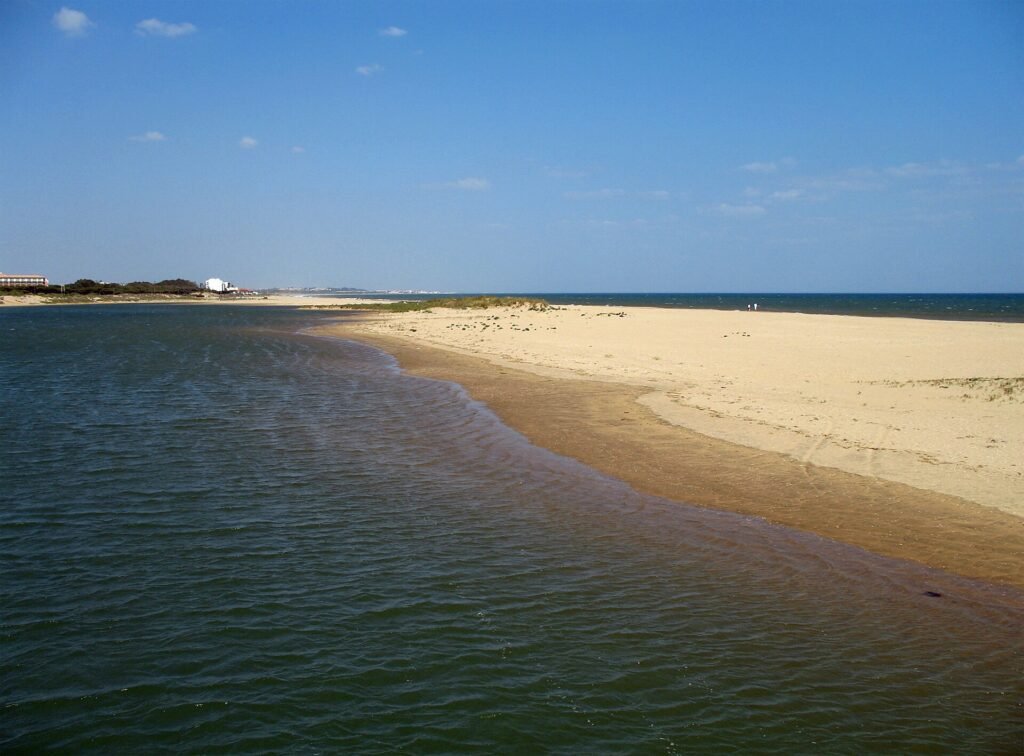
Where river and sea meet, sandy banks and channels create views quite different from the straight Atlantic shoreline. The La Gaviota–Punta del Caimán area is a good example of this changing geography. The municipality describes access involving a bridge and a setting shaped by the Carreras estuary.
The attraction here is walking and observing the water, not treating every stretch of sand as a supervised bathing beach. Tidal channels can have strong currents and quickly changing conditions. Stay within signed public areas and follow local bathing notices.
Finish with a plate that reflects the port
Isla Cristina’s cooking is a fitting ending to a day built around the water. Ask for fish of the day, compare dishes made with choco (cuttlefish), or try a small plate of mojama, the salt-cured tuna closely associated with the area. White prawns are another regional favourite, but availability and price change with the catch.
Rather than trying to follow a single “must-eat” list, look for a menu that explains the catch, preparation and portions. For a first taste of the local food culture, choose one dish you don’t already know and ask how it is prepared.
How to plan one or two days
If you have half a day: Explore the centre, Paseo de las Flores, a public harbour viewpoint and the Carnival exhibition if it is open. Finish with a seafood meal. This keeps the outing compact without adding a long beach transfer.
If you have a full day: Add a visit to Playa Central or a short stretch of the Ruta del Camaleón. Decide in advance whether you want beach time or birdwatching; fitting both into a short afternoon can mean more moving around than enjoying the places.
If you have a second day: Explore the marismas and saltworking setting in better light, then spend unhurried time on the coast. A car can simplify movements between the town and more distant beach access points, while town-centre sights are easier to explore on foot.
Before setting off: Ask the Isla Cristina tourist office about guided harbour visits, exhibitions and seasonal coastal services. Never count on access to a working quay without confirmation.