In Minas de Riotinto, the landscape does not sit quietly in the background. Hillsides are cut into terraces, railway relics appear beside roads, and buildings that once served a mining company now house museums and community institutions. The municipality is one of the most revealing places in Andalusia for understanding what large-scale industry did to a town—and what remains after the machinery stops.
This is not a conventional village of cobbled lanes and castle walls. Come for the mining history, stay for the extraordinary contrast between red earth, Victorian architecture and the everyday streets where people still live. Some highlights are walkable in town; others require timed admission and transport. The best day here is organised around those practical differences.
1. Start with the Riotinto Mining Museum
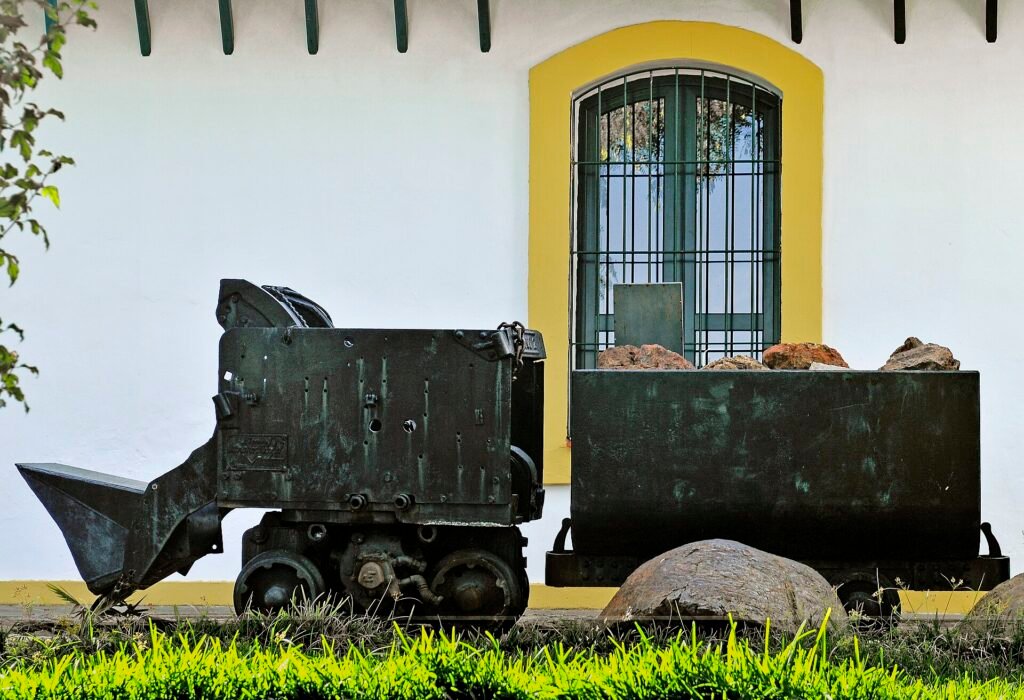
Before setting out across the mining landscape, begin at the Museo Minero Ernest Lluch. Located in a former company hospital, it explains the district’s long mining history through tools, objects, railway material, archaeological evidence and displays about the people who worked here. This context turns the enormous open pits from impressive scenery into something more legible: a place where technology, labour and geology changed together.
The museum’s recreated Roman mine gallery is particularly effective at showing how different underground extraction felt from the giant open-cast methods of later centuries. Look at the maps and historical photographs before visiting the other sites: they can help you distinguish the current town from the settlements that preceded it.
Visitor tip: The museum is the park’s main reception and information point. Confirm whether your chosen ticket includes other sites and their timed visits. Museum admission is not a substitute for a reserved train or Corta Atalaya slot; use the official mining park website to plan the combination.
2. See the extraordinary scale of Corta Atalaya
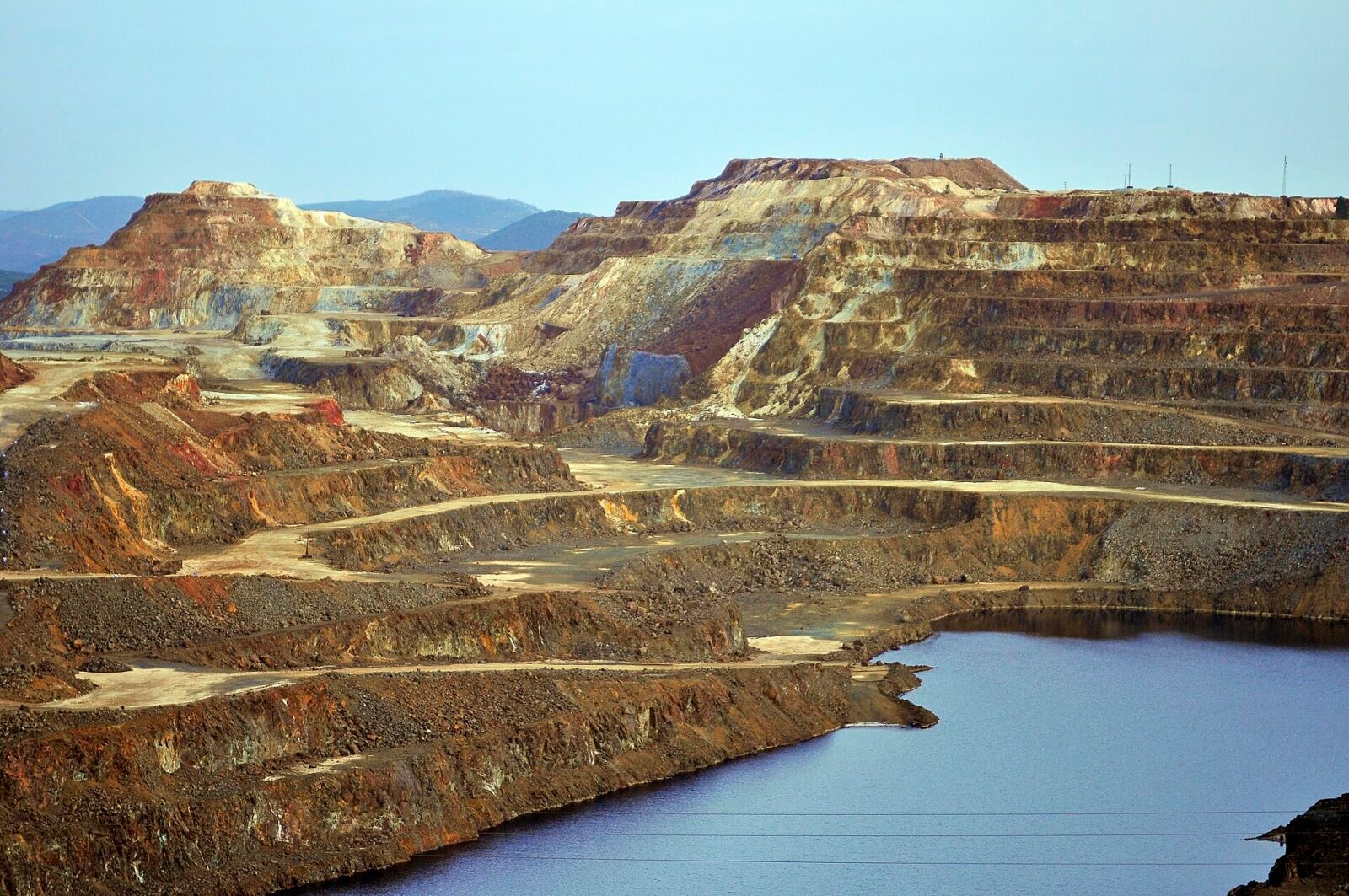
Corta Atalaya is a vast open-cast mine with concentric benches carved down into the earth. Its geometry can look almost abstract in photographs, but from the designated visitor viewpoint you can begin to appreciate the scale of excavation and how dramatically a mineral deposit reshaped the surrounding land.
Rather than treating it solely as a photo stop, listen to the explanation of how workers extracted and moved material from different levels. The story is inseparable from the region’s railways, industrial settlements and generations of miners.
Visitor tip: The mining park describes visits as guided, with visitors meeting at the museum and following the guide’s vehicle in their own car to an authorised viewpoint. Do not attempt to reach the pit independently through working or restricted mining roads. Confirm availability and accessibility directly with the operator.
3. Take the historic mining railway
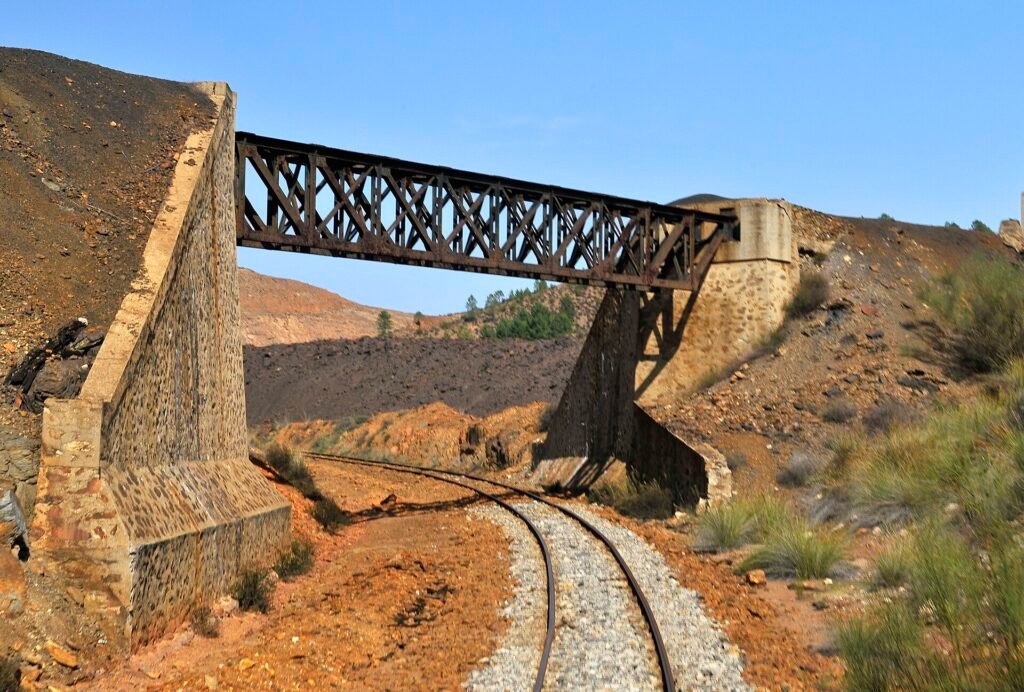
The mining railway is not simply a nostalgic train ride. It follows part of the industrial corridor once used to move minerals through the valley, passing stretches of unusually coloured terrain beside the Río Tinto. Seeing the landscape from the train offers a very different perspective from the pit rim or museum exhibits.
You may notice exposed deposits, old railway infrastructure and water whose colouring reflects unusual chemical and geological conditions. The operator’s excursion includes a scheduled stop near the river, giving passengers a chance to look more closely from the designated area.
Visitor tip: The visitor train departs from the Talleres Mina station on the A-476 between Minas de Riotinto and Nerva, not from the museum. Arrive before the scheduled departure as instructed on your booking. The line is a regional attraction that runs through more than one municipality.
4. Notice the colours of Cerro Colorado
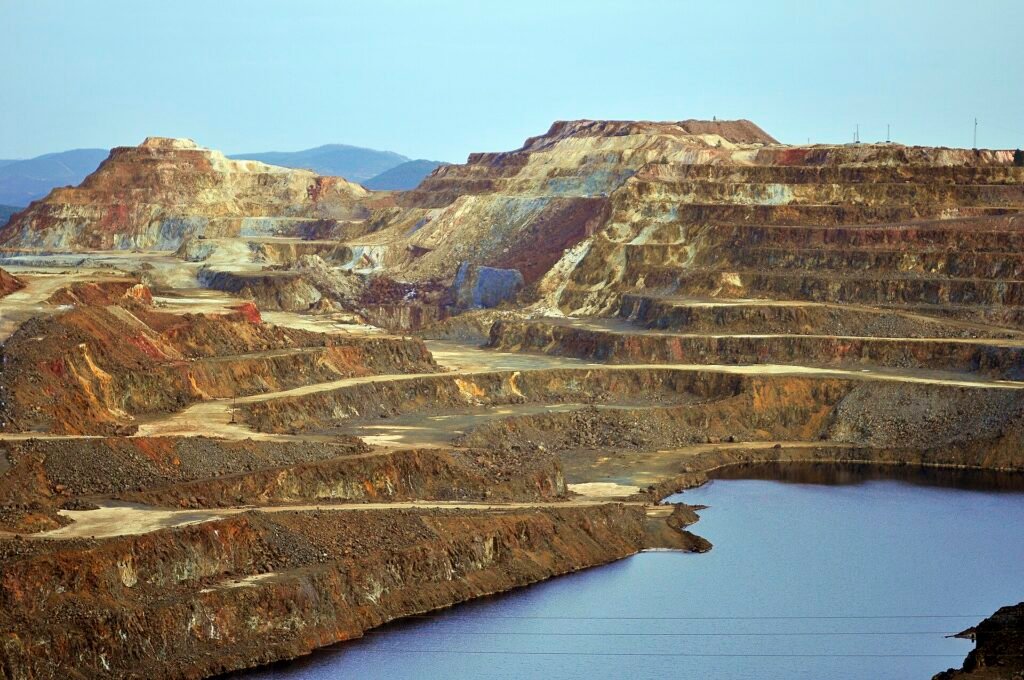
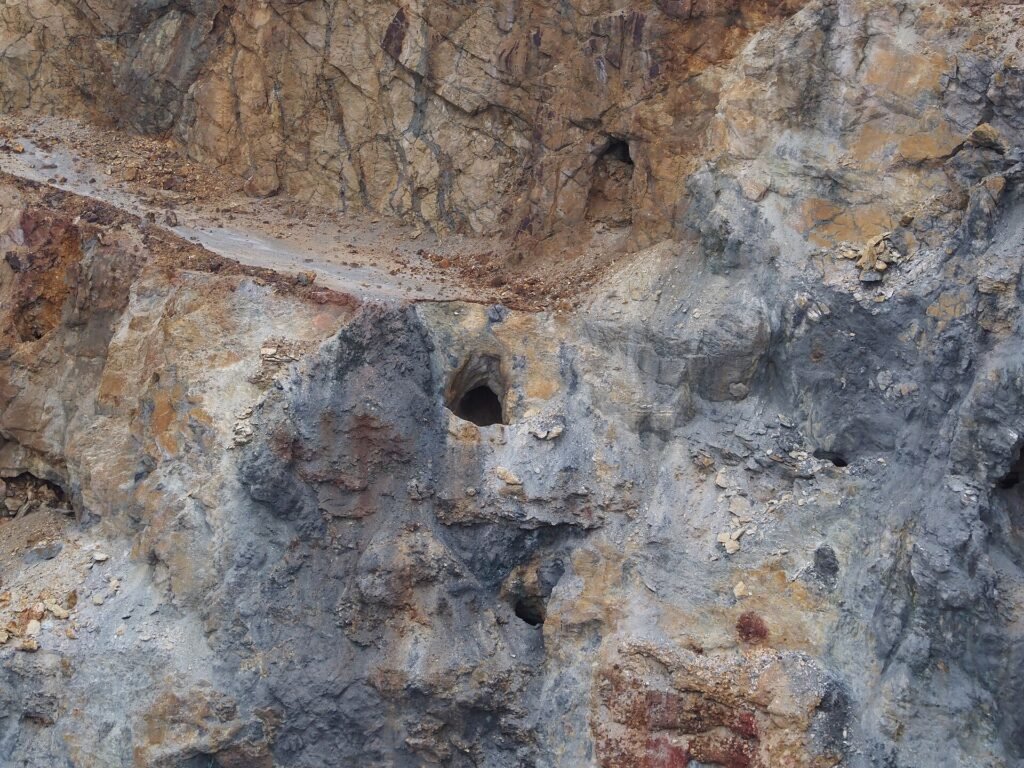
Cerro Colorado represents a different face of Riotinto’s mining terrain: immense excavated surfaces marked by tones of ochre, rust, grey and yellow. Those colours are not decorative; they reflect exposed mineralised rock and materials altered by mining and weathering.
The most important distinction for visitors is between admiring this industrial landscape from authorised public or guided locations and entering a mine. Sections of the mining district remain industrial sites. A photograph taken from a particular vantage point is not evidence that a public access route exists.
Visitor tip: Ask the mining park or local tourism office which viewpoints are currently open. Do not rely on satellite imagery to find a route across spoil heaps or active mine property.
5. Walk through the company-planned streets of El Valle
Minas de Riotinto was not built around one timeless village centre. Large-scale mining reshaped where people lived. In El Valle, the regular street layout and rows of housing show a planned industrial settlement, quite different from an organically grown Andalusian old town.
Take an ordinary walk through the central streets and pay attention to the building types and street grid. This is a living neighbourhood, not an open-air museum; the aim is to understand how workers’ homes, services and industry fitted together.
Visitor tip: Observe homes from public streets only. A self-guided walk works well between timed museum visits, but watch for narrow pavements, slopes and local traffic.
6. Compare the town with Bellavista’s Victorian quarter
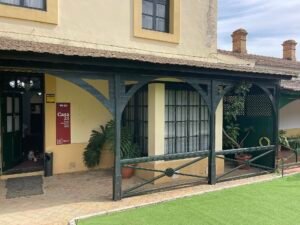
The British mining company also created Bellavista, a residential area associated with its senior staff and families. Its houses, gardens and distinctive planning feel strikingly different from El Valle’s working-class layout. These contrasting spaces make the town’s social history visible without a long explanation.
The restored Casa 21, originally built in the 1880s, presents domestic interiors and objects that evoke the lives of the British community. The surrounding chapel and former club provide further evidence of the institutions that helped sustain that community.
Visitor tip: Casa 21 operates as part of the Parque Minero de Riotinto and may have its own opening window. Check admission arrangements before arriving, and treat surrounding houses as private residences.
7. Look for Riotinto’s railway and civic heritage
Outside the main visitor attractions, traces of the mining company remain embedded in the town. The former mining hospital, railway-related buildings, company offices and community spaces all show how widely the industry shaped local life. It supplied not just employment but also much of the built environment.
There is no need to seek access to every surviving industrial structure. Often, a building façade viewed from the street and a museum explanation provide a more meaningful—and safer—encounter than trying to enter an unused site.
Visitor tip: Some heritage structures are adapted for modern uses, while others have limited or no visitor access. Check local signage and never enter derelict facilities or fenced areas.
8. Understand why the Río Tinto matters
The reddish water of the Río Tinto is an emblem of the wider mining district. Its chemistry and microorganisms have made it especially interesting to researchers studying life in extreme environments. The river is also a reminder that the region’s extractive history has environmental consequences that deserve attention alongside the visual spectacle.
A guided stop during the mining railway excursion is an accessible way to learn about the water without roaming across uncertain terrain. Avoid presenting the river as a bathing spot or assuming it is safe to touch or drink.
Visitor tip: Stay on marked visitor routes and keep children and pets away from unprotected riverbanks. If you want more specialised geological interpretation, ask about the mining park’s official programmes rather than improvising a river hike.
How to organise a visit
With a full day: Start at the Mining Museum, fit the railway around its fixed departure, then reserve Corta Atalaya and Casa 21 if their available slots allow it. Leave some unbooked time to walk through El Valle or look at public viewpoints. A combined ticket is only useful if the schedule is realistic for your group.
With a half-day: Choose either the museum plus Bellavista, or the museum plus one timed mining experience. Trying to squeeze the train, open pit, museum and neighbourhood into a short visit is likely to leave little time for any of them.
Getting around: A car is especially helpful because the museum, Bellavista and mining railway station are not all in one compact pedestrian area. Do not assume public transport will connect each ticketed attraction in time. Confirm travel arrangements independently and allow a margin for parking or check-in.
Accessibility: Mining terrain, historic houses and train boarding present different challenges. Ask the operator about the specific sites on your ticket, rather than assuming a general accessibility statement applies everywhere.