Bellavista is one of the most unusual neighbourhoods in the Province of Huelva. Its ordered streets, detached houses and former social buildings look different from the surrounding mining town, and that difference is the point. The quarter was developed for the British community associated with the Rio Tinto Company Limited, whose purchase of the mines in 1873 set off major changes in local industry and society.
A visit is most revealing when you look beyond the architectural style. Bellavista expresses a particular division of work, status and everyday life: company executives and their families had spaces, amenities and institutions different from those of many local miners. The restored Casa 21 makes that history tangible, while a walk through the neighbourhood shows how it shaped the streets themselves.
1. Begin at Casa 21, a preserved company-era home
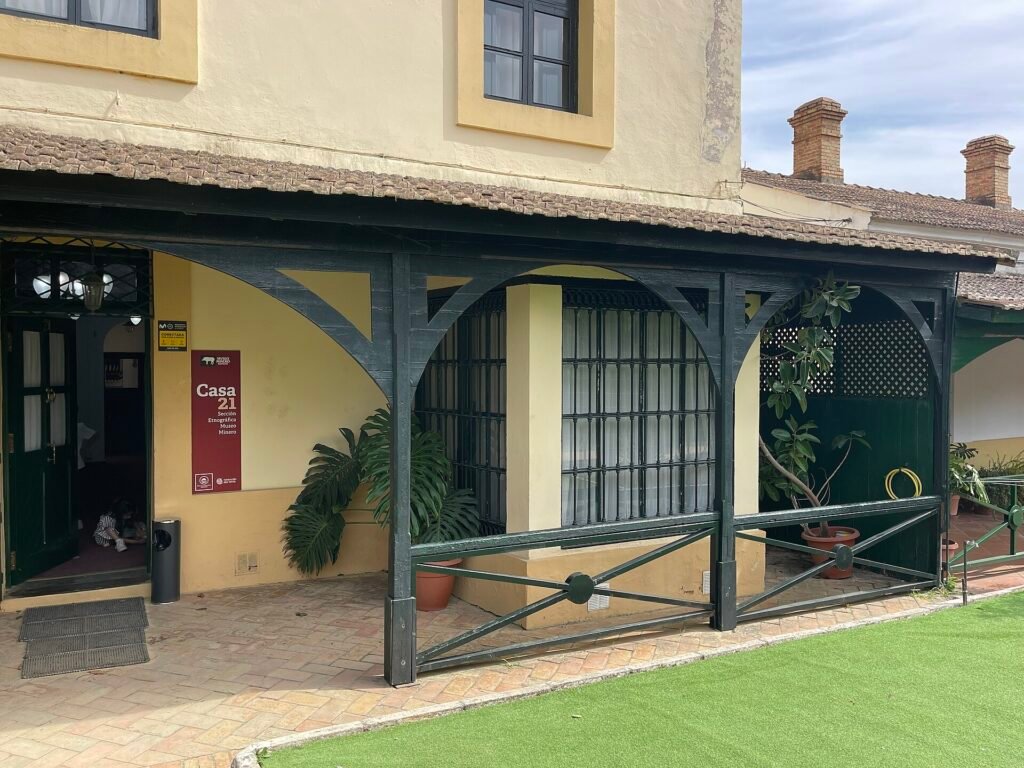
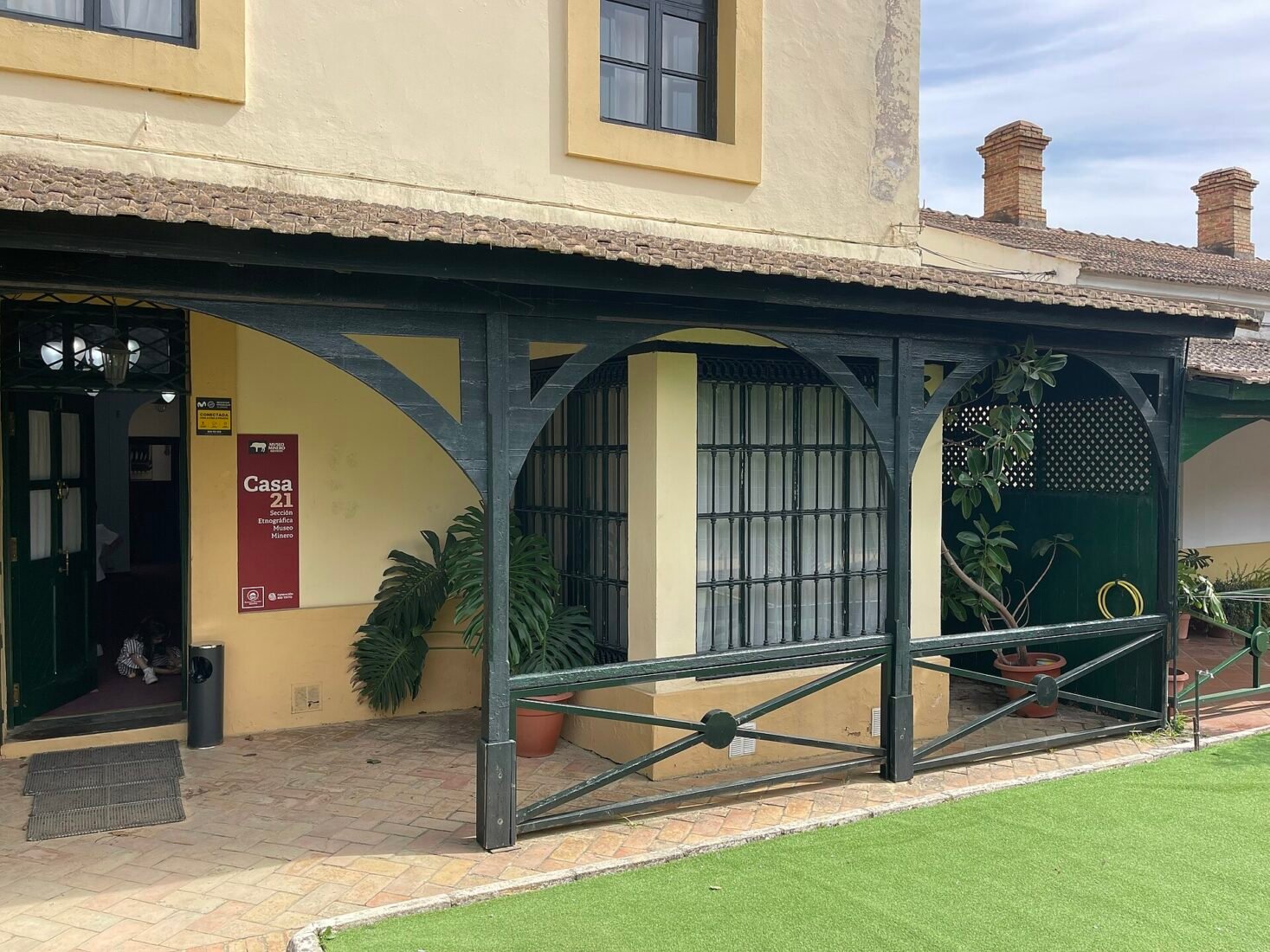
Casa 21 is the clearest introduction to Bellavista’s domestic history. Built in 1885, the house belonged to the residential world of high-ranking British employees. Its rooms display period furnishings, photographs and objects connected with household life, recreation and family routines.
Notice how different this story is from the heavy machinery of the mining museum. Here, architecture helps tell a social story: who could occupy such a house, how comfortably they lived, and how far their experience may have been from that of the people doing the most dangerous mining work.
Visitor tip: Casa 21 is an official Parque Minero attraction, usually included in relevant packages but subject to its own visiting schedule. Check the operator’s current guidance. The house has several floors, so ask directly about stair access if mobility is a concern.
2. See the Presbyterian chapel and its changing role
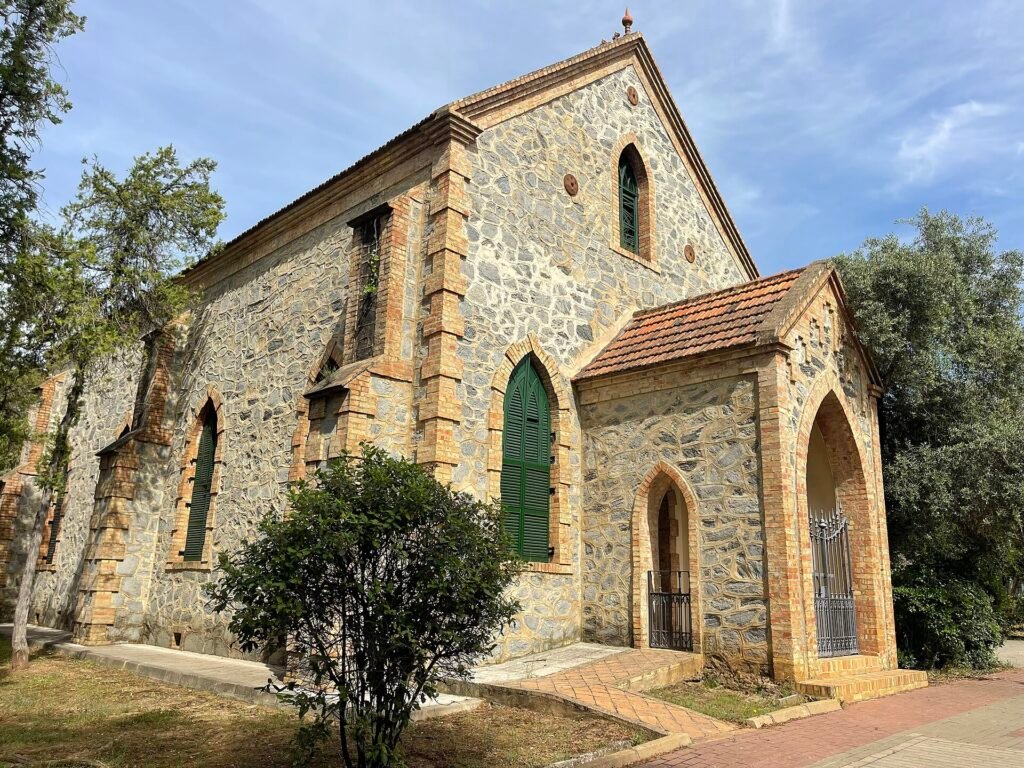
Bellavista’s Presbyterian chapel dates from 1891 and reflects the religious life of the Scottish and wider British community. Its appearance distinguishes it from the traditional parish churches found in many Andalusian towns.
It also speaks to a more complicated history. The town council describes the old chapel as part of a company society with marked social hierarchies. Today its role is cultural and tourist-oriented, rather than that of an ordinary functioning Presbyterian congregation.
Visitor tip: The chapel can be appreciated from the public street. Do not assume it is open for casual entry every day; the municipality identifies uses including concerts, talks and cultural events. Check announced access before planning an interior visit.
3. Look for the former English Club and sporting traditions
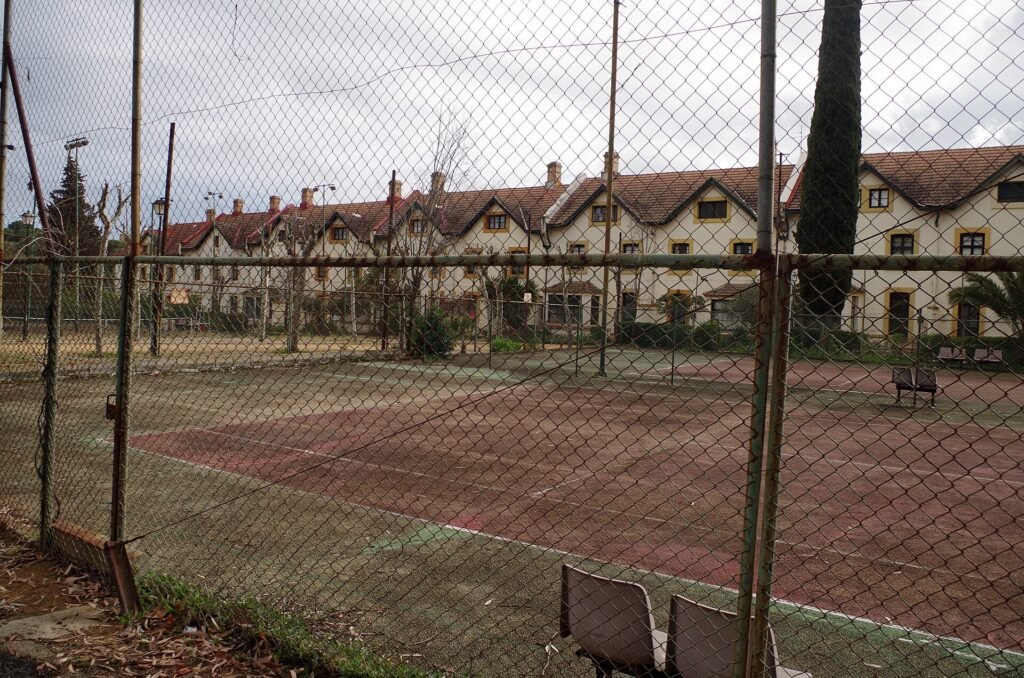
The English Club illustrates another aspect of company life: leisure. British residents maintained recreational customs and sports, including tennis, which became part of Bellavista’s identity. The surviving tennis courts and club-related details evoke a world in which recreation was organised around a distinct expatriate community.
It is tempting to romanticise this as a charming transplant of English life, but the facilities also show how access to leisure depended on position within the mining company. That contrast is worth keeping in mind as you explore.
Visitor tip: View sporting facilities from permitted public areas and respect current users. Club buildings are not necessarily visitor museums and access should not be assumed.
4. Walk the residential streets slowly
Bellavista rewards attention to ordinary details. The spacing of homes, garden boundaries, building proportions and repeated architectural motifs tell you something about the settlement’s planning. This was designed as a separate residential enclave, not just a handful of isolated grand houses.
Look for the relationship between private plots and shared spaces, and notice how the neighbourhood’s organisation compares with El Valle elsewhere in Minas de Riotinto. The contrast makes social differences more visible than simply reading dates on monuments.
Visitor tip: This remains a residential area. Keep to public footpaths, avoid photographing inside homes and do not treat a garden gate as a public entrance.
5. Read the surviving signs and commemorative details
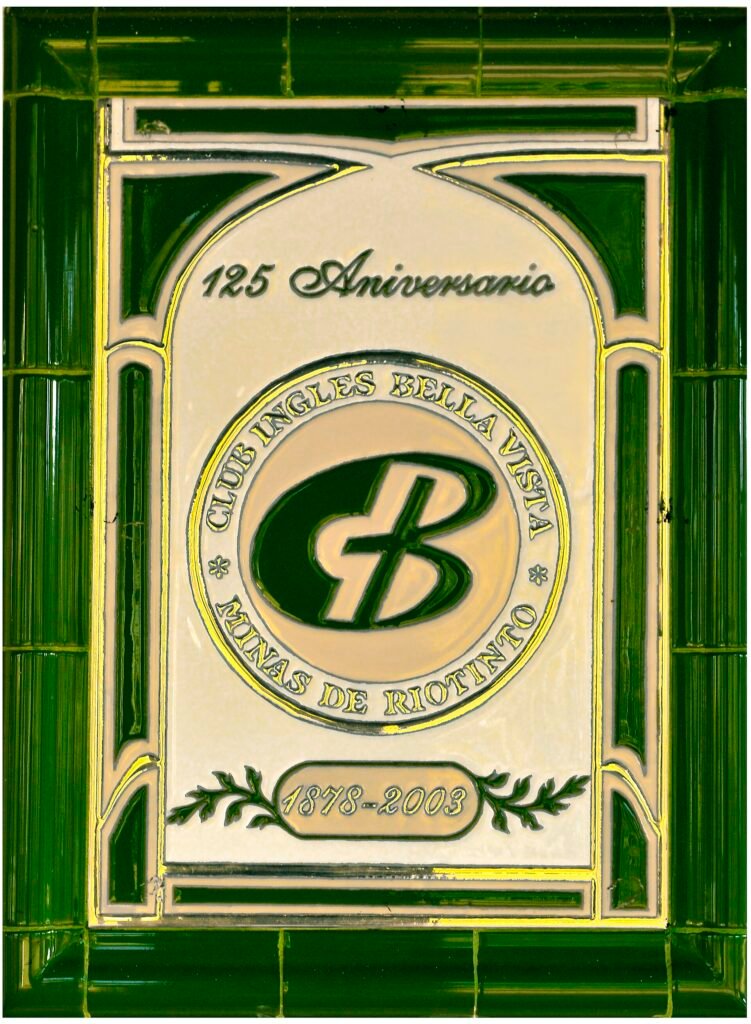
Historic plaques, decorative panels and building names can help make sense of Bellavista’s social institutions. The old club, chapel and residential buildings were part of a community with its own ceremonies and meeting places. A commemorative tile at the English Club is one example of how that identity has been remembered.
Photographs and signs do not tell the whole story on their own. Use them as clues, and compare what you see with the interpretation inside Casa 21 or at the Mining Museum. A small detail on a wall can lead to questions about whose history is celebrated and whose experience is less visible.
Visitor tip: The most worthwhile approach is observation, not a hurried checklist. Read any on-site explanations carefully and avoid entering private property to get a better photograph.
6. Consider the Protestant cemetery as a heritage site
The historic Protestant cemetery formed part of the religious and social landscape of the British community. Together with the chapel, it shows that Bellavista was intended to sustain the institutions of ordinary life over many years, not simply provide temporary accommodation for visiting specialists.
Its meaning is best understood through the wider history of the district, including the company’s workforce and the contrasts between expatriate employees and local residents. A cemetery visit, where access is authorised, should be quiet and respectful.
Visitor tip: Public access conditions for the cemetery could not be confirmed. Do not assume the gates are open, and do not climb fences or enter without permission. Verify locally before including it in a walking route.
7. Compare Bellavista with the wider mining town
The most useful next step after Casa 21 is to visit the Mining Museum and look around El Valle. The museum occupies a former mining hospital and introduces labour, engineering and extraction across a much longer period. El Valle, meanwhile, shows a contrasting planned settlement associated with the workforce.
These visits stop Bellavista from becoming just a picturesque group of houses. Taken together, the neighbourhoods explain how industrial decisions affected housing, services and social boundaries. The mining company did not simply alter the terrain; it reorganised daily life.
Visitor tip: This comparison works as a relaxed half-day with a museum visit, but do not assume all stops are easily reached on foot. Allow travel time between Bellavista and the central town.
A practical Bellavista visit
How much time: If you are only walking the public streets, this can be a relatively short stop. Include more time for Casa 21, reading its displays and exploring the chapel surroundings without rushing.
When to go: Let the confirmed opening times of Casa 21 determine your visit, rather than planning the walking route first and discovering the museum is closed. In warmer weather, carry water because there may be exposed stretches of pavement.
What to wear: Comfortable shoes are helpful on sloping streets. If you require step-free access, check the house and chapel individually; do not infer accessibility from the external appearance of the buildings.
What to take away: Bellavista is an excellent place to think about two histories at once—the fascinating arrival of new customs and technologies, and the unequal relationships between those who managed the mines and those who worked them.