Punta Umbría is easy to mistake for a beach resort and little else. Its Atlantic shoreline is a major attraction, but the town also has a fishing harbour, a watchtower, traces of Roman industry and an unusual connection to the British mining community that developed holidays here. Behind the sands, protected dunes and wetlands give the municipality an entirely different rhythm.
This is a place for mixing simple pleasures with a little curiosity: a swim followed by a harbour walk, a small museum before lunch, or a boardwalk through coastal vegetation. These ten stops are not a race. Some are best enjoyed for ten minutes; others deserve half a day.
1. Start with the Wide Sands of Punta Umbría Beach
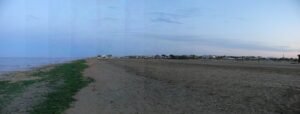
The long Atlantic beach is the obvious place to begin, but its size means you can choose your own pace. The more built-up sections have promenades and convenient access from town; elsewhere, the beach opens into stretches better suited to long walks. Look out for the colour of the sand and the line of dunes behind it, rather than expecting the rocky coves found on other Spanish coasts.
If you want a swimming day, settle near an access with the services you need. If walking is the point, arrive with light luggage and head along the shore when conditions are comfortable. Never assume every stretch has lifeguards, showers or accessible walkways outside the main season.
2. Find the Historic Torre Umbría
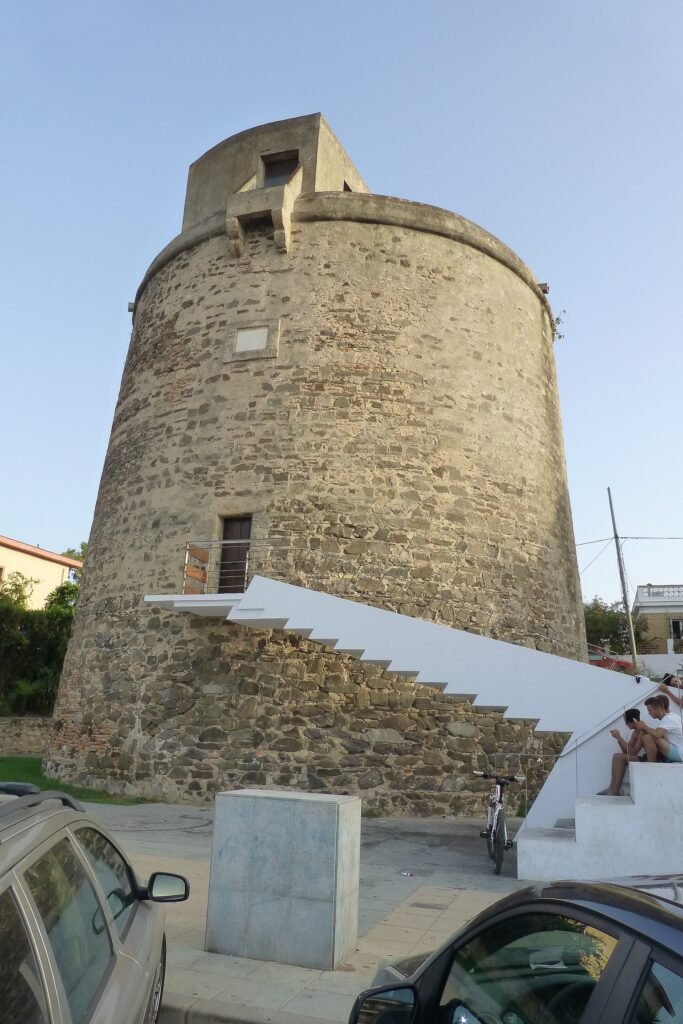
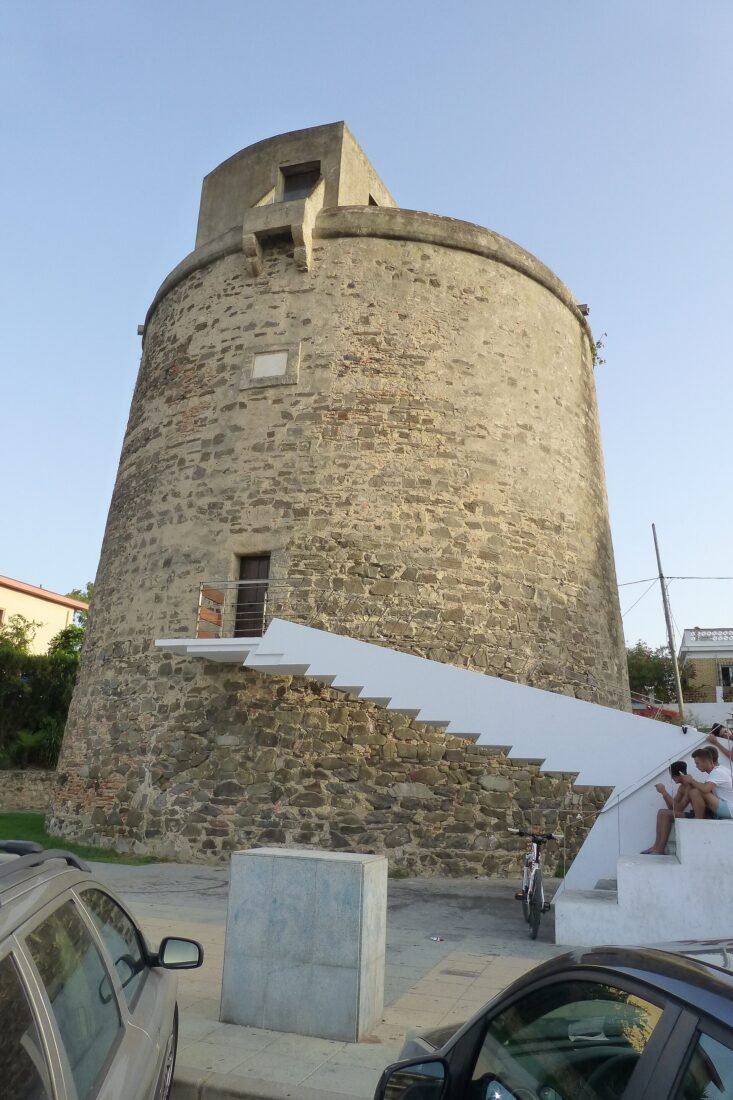
Torre Umbría, also called Torre Almenara, belongs to the defensive watchtower network built along the Andalusian coast. Its thick masonry and commanding form feel almost unexpected amid a modern seaside town. The building tells a different story from the beaches: one of coastal surveillance and the need to spot ships approaching from the Atlantic.
Stand back to appreciate the tower’s shape, then notice how close the oldest landmarks are to ordinary residential streets. There may be organised visits or special openings, but do not assume the interior is open every day. Even from outside, this is an easy way to add historical context to a walk through town.
3. Understand the British Connection at Casa Museo de los Ingleses
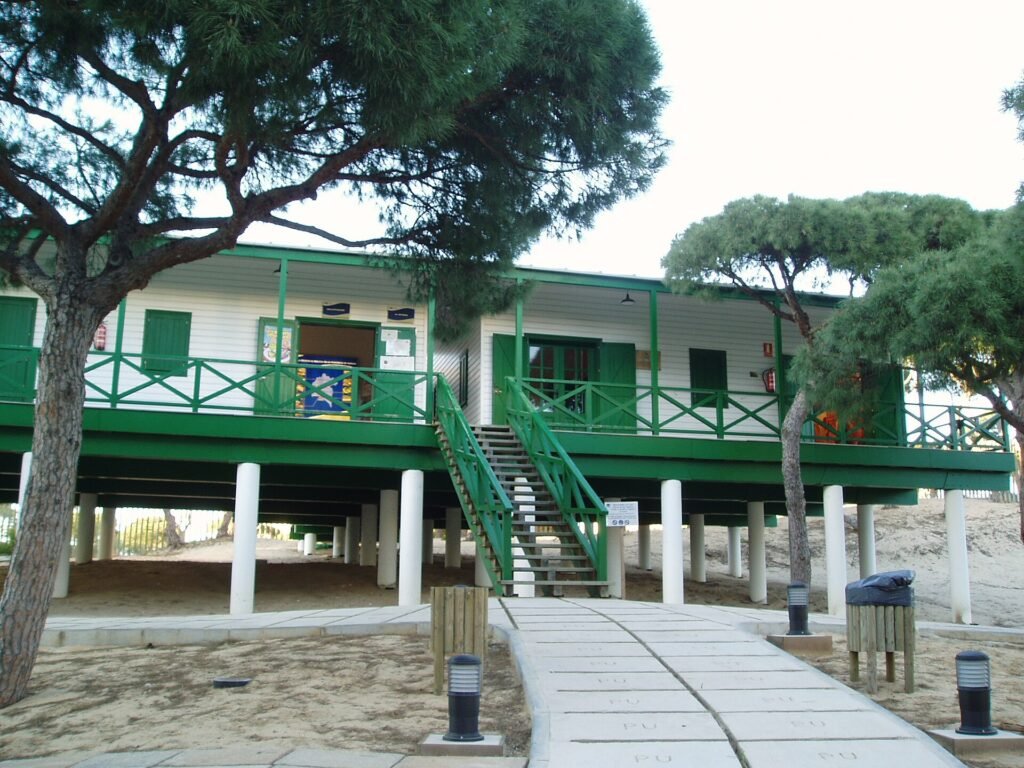
Punta Umbría became a seaside destination for people connected with the Rio Tinto Company, and its British-influenced summer houses helped shape the town. Casa Museo de los Ingleses recreates that domestic world, including the elevated timber-house design used to cope with dunes and warm weather. It is quite different from a grand monument: the story here is how a holiday community lived.
The original group of company summer houses no longer survives intact, so the museum is an interpretation rather than a perfectly preserved original residence. Check with local tourism staff for current entry days and any guided activity before setting off.
4. Walk by the Fishing Port and Ría
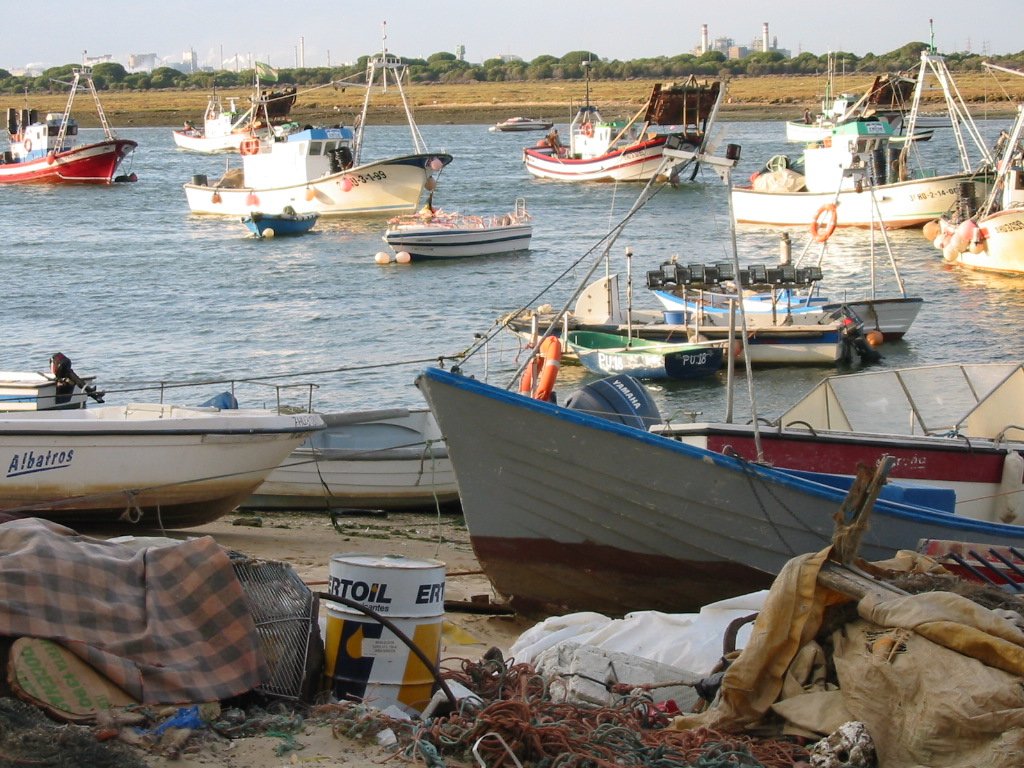
The river-facing side of Punta Umbría is as important to local identity as its ocean beach. Around the port, boats, working infrastructure and tidal water reveal the practical side of a community built around fishing. The lonja, or fish auction facility, is a working commercial space, not a casual public food hall.
Enjoy the waterfront from publicly accessible paths without crossing barriers or entering active work areas. If you want to know more about the fleet and seafood trade, see whether an authorised visit or interpretive display is currently offered. That is more useful—and more respectful—than trying to walk into an auction.
5. Follow the Boardwalks of Los Enebrales
Just beyond the more developed seafront, Los Enebrales protects a rare coastal woodland of juniper, Phoenicean juniper and other plants adapted to sandy soils. A network of paths and raised boardwalks crosses dunes towards the shore. Here the interest is not only the sea but the landscape that survives behind it.
Use the marked routes, keep off recovering dunes and resist shortcuts through vegetation. The paths are attractive for an unhurried nature walk, although exposed areas can be hot and some access surfaces will not suit every mobility need. The Junta de Andalucía describes this as a protected natural site, so treat it differently from an urban park.
6. See the Roman Fishing Industry at El Eucaliptal
Punta Umbría was processing fish long before modern trawlers arrived. The archaeological site of El Eucaliptal preserves evidence of a Roman settlement involved in salting fish and producing related goods for wider trade. Its surviving vats and industrial layout make the site surprisingly relevant to the harbour economy you can see today.
The ruins are not an elaborate reconstructed Roman town. Their value lies in the archaeological evidence, so read interpretation on site if available and use the official heritage information beforehand. Visitor areas and opening arrangements can change; do not enter fenced excavation zones.
7. Explore the Streets Around Calle Ancha
When you have finished looking at major sights, give the everyday town centre some attention. Calle Ancha and the surrounding streets are a good place to browse shops, look at local street life and find somewhere to stop for a snack. In a destination strongly associated with summertime, this urban side of Punta Umbría provides useful contrast.
Walk here at a time that suits the weather and local business hours. In midsummer the centre can be lively; in quieter months some seasonal businesses may not operate. You do not need a checklist to make this worthwhile—combine it with the tower and a waterfront stroll.
8. Discover the Lagoon at El Portil
The Laguna de El Portil is a protected wetland behind the coastal settlement of El Portil. Its still water and surrounding vegetation are quite different from the rolling Atlantic waves nearby. It is also a place where paying attention is rewarded: water birds and seasonal changes in the lagoon are a major part of the interest.
A signed walking route has been published by the municipality, including a lagoon viewpoint. Treat published route figures as guides, not promises: path conditions can change. Bring binoculars if birdwatching interests you, keep noise down and stay out of sensitive shoreline vegetation.
9. Look for the Town’s Maritime Culture
The sea shapes more than the restaurants here. Punta Umbría has traditions associated with its fishing fleet, the Virgen del Carmen festivities and local cultural programming. The Teatro del Mar is one of the municipal venues worth checking for performances and events, although there may be nothing scheduled on your travel dates.
Instead of building a visit around a festival that happens only on a particular day, check the municipal agenda shortly before travelling. A market morning, a modest local exhibition or an evening performance can reveal more about everyday life than another hour on the sand.
10. Consider the Traditional Summer Boat to Huelva
The passenger boat traditionally known as la canoa links Punta Umbría with Huelva across the estuary. Historically this was an important connection before modern road access. Today the journey is valued as much for the changing wetland scenery as for reaching the other bank.
It is a seasonal service, not an all-year public ferry. Sailing dates can change between seasons. Check the current timetable and the departure pier before building a return journey around it. In other periods, regional buses provide an alternative connection to Huelva.
Practical Planning Tips
For a relaxed day: begin with the watchtower and Casa Museo de los Ingleses if open, wander towards the harbour for lunch, and spend the afternoon on the beach. On another day, explore Los Enebrales and El Portil rather than driving back and forth across the municipality.
Without a car: the built-up centre and its nearby beach work best on foot. The more distant lagoon and western beach areas require checking bus options or arranging transport. The regional Huelva–Punta Umbría bus timetable is published by the Costa de Huelva transport consortium.
Mind the difference between visits and access: a public beach, a protected wetland, an archaeological site and a working port have different rules. Check official opening arrangements and obey local signs, especially after storms or conservation work.