If you only remember one thing about eating in Punta Umbría, make it the connection between the fishing boats and the table. Seafood here is not a decorative extra on a resort menu: fishing has shaped the town’s history, local festivals and everyday food culture. You will encounter familiar Andalusian dishes, but also shellfish and fish that make more sense once you have seen the boats on the estuary.
This guide focuses on what to order, how to read a menu and which areas are worth exploring. It does not pretend that one restaurant is permanently the best or that every fish advertised as local necessarily came off a boat here that morning.
1. Start with Choco: A Local Favourite
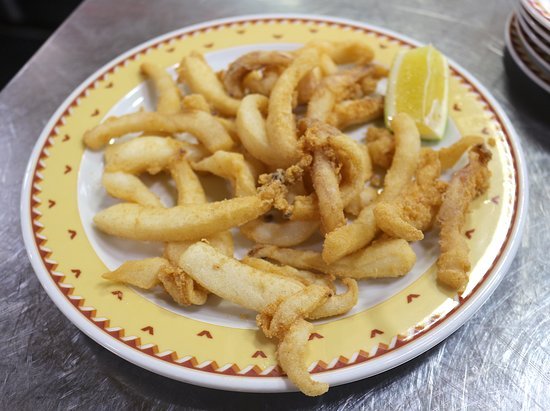
Choco is cuttlefish, a staple of the Huelva coast. The most approachable version is choco frito: strips of cuttlefish coated and fried until lightly crisp. The quality of the cuttlefish and careful frying matter far more than a complicated garnish. It is a useful first order if you want something distinctly associated with the region.
Try it as a portion to share, especially if you plan to order other seafood. Cuttlefish can also appear grilled or in stews, so do not assume that a menu item labelled choco always arrives fried. Ask about preparation if you have a preference or a dietary restriction.
2. Coquinas and Chirlas: Small Clams with Big Flavour
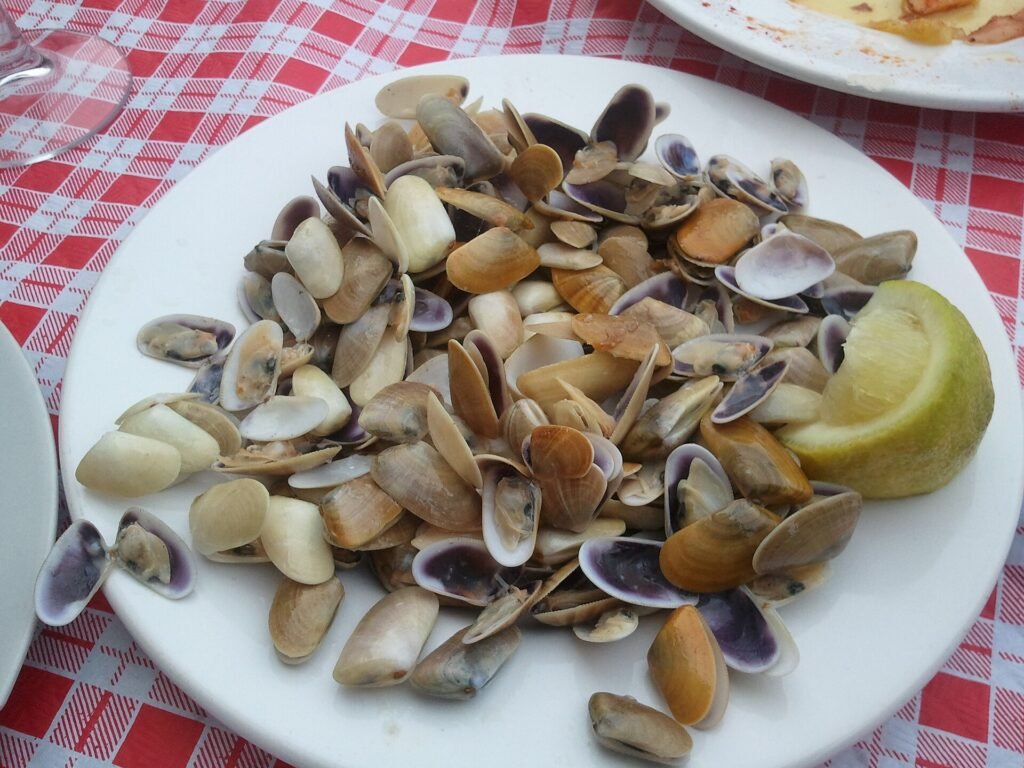
Coquinas are small wedge-shaped clams that often appear simply cooked with garlic, olive oil and a little seasoning. Chirlas are another local shellfish associated with the fishing trade. A dish of clams rewards slow eating: there is little point ordering them if you are in a rush between appointments.
Availability can change with fishing rules, shellfish harvesting conditions and supply. A responsible restaurant may not offer a particular species every day. Ask what is available rather than treating an empty menu line as a failure. If a dish is priced by weight, confirm the portion size and price before ordering.
3. White Prawns from Huelva: Keep It Simple
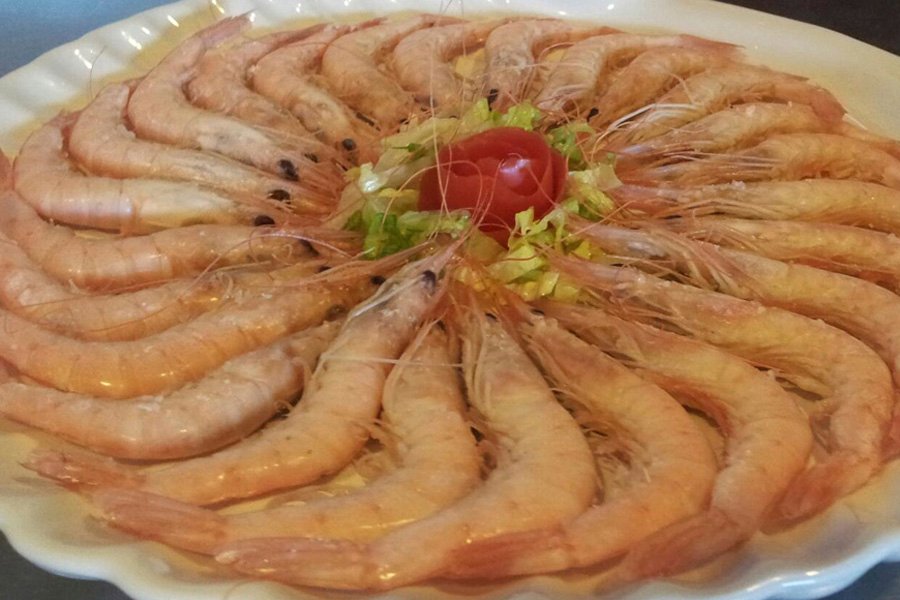
Gamba blanca de Huelva is one of the best-known seafood products associated with the wider province. It is commonly served boiled or grilled so the flavour remains central. Ordering a portion to share works well, especially alongside an unfussy fish dish and a salad.
Check whether the menu specifies origin and portion size: “prawns” on a menu does not automatically mean white prawns caught locally. The photographed example associated with this section was taken at a restaurant in Chipiona, Cádiz, and illustrates the product rather than a Punta Umbría restaurant.
4. Sardines, Boquerones and the Pleasure of Simple Fish
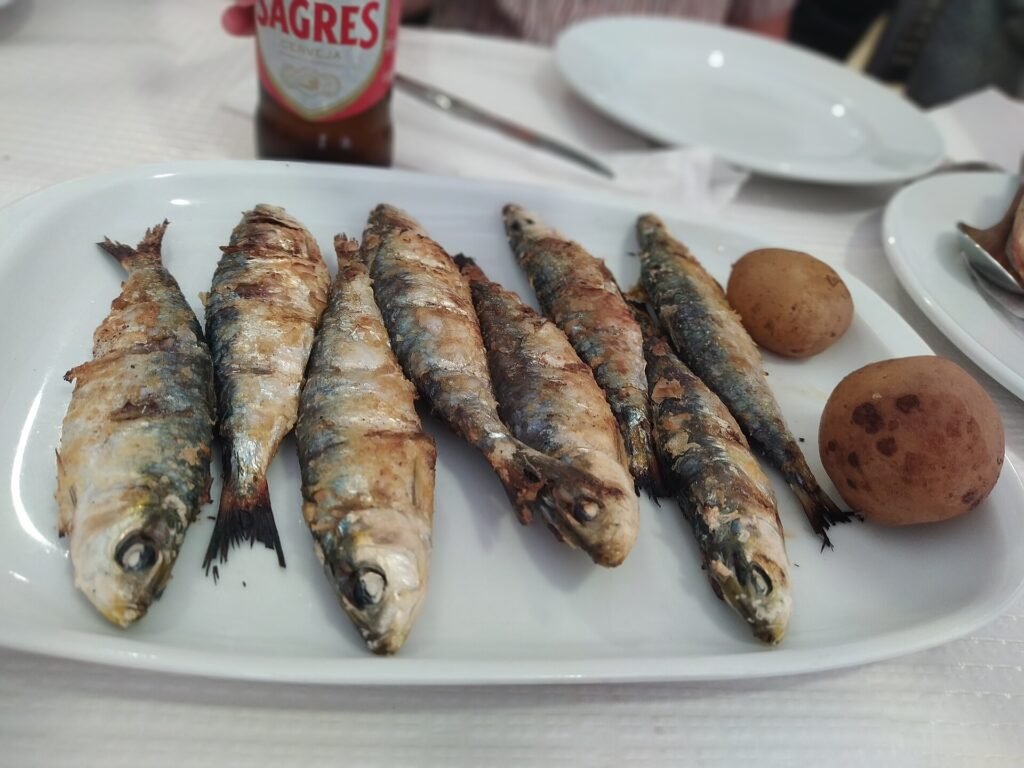
One of the easier ways to understand a coastal menu is to look beyond headline shellfish. Grilled sardines are closely associated with beachside cooking, and fried boquerones (anchovies) make a satisfying shared plate. If you enjoy fish but do not want a heavy meal, ask which fresh species are available grilled instead.
Fried fish should not feel greasy or exhausted. There is no universal rule for the perfect restaurant, but a short, clearly described selection is easier to evaluate than a huge list of dishes promising everything at once. Ask what is fresh, how it is prepared and whether sides are included.
5. Try a Fish Stew or Rice Dish, Not Only Tapas
The local maritime repertoire also includes preparations such as guiso de choco, fish stews, rice with seafood and traditional dishes using mackerel or ray. These are more substantial meals, and they reveal a different approach to the same seafood that appears on tapas plates.
Some are everyday regional preparations rather than dishes cooked by every restaurant throughout the year. Ask about a plato del día or kitchen speciality if you want something beyond the standard fried platter. A seafood rice dish may require a minimum number of people or advance ordering; check before making plans.
6. Understand the Working Harbour Before Choosing Lunch
Punta Umbría has a working fishing port and a formal auction facility managed through the fishing sector. Species handled through the port include anchovies, sardines, cuttlefish and shellfish. Knowing this explains why the town has a strong seafood identity, but the auction floor is not the same as a market for casual visitors.
If you walk around the publicly accessible harbour area before lunch, you can connect the menu to the boats without disturbing the people working there. Avoid entering restricted quay space or auction facilities without authorisation. For a visit focused on fish products, the municipality also highlights the Centro de Interpretación and maritime heritage.
7. Browse Mercado del Carmen and the Town Centre
For a food-oriented visit, look into the area around Mercado del Carmen and the central streets, rather than limiting yourself to the first restaurant facing the beach. A municipal market is useful for understanding what people buy to cook at home, while nearby bars may offer a different atmosphere from seasonal seafront venues.
Market stalls and restaurant businesses operate on their own schedules, and an individual stall may close even when the building is open. Check current arrangements before travelling. You can also walk along Calle Ancha to compare menus, portions and dining environments.
8. Eat by the Beach Without Paying Only for the View
A beachside chiringuito has obvious appeal after a long swim or walk. The sea view is part of the experience, but the practical details still matter: whether the menu lists prices clearly, how seafood is charged, the wait for cooked dishes and what happens if the weather turns windy.
In peak summer, popular establishments can fill up quickly. Outside the season, some beach businesses do not operate. Rather than recommending an unverified “number one” chiringuito, choose according to what is open, what you want to eat and whether you prefer a leisurely meal or a quick stop.
9. Read Seafood Menus with Confidence
Menu terminology can be useful to learn. Ración is a full portion; media ración is a smaller one where available; a la plancha means grilled on a hot plate; frito means fried; en adobo indicates marinated fish. Some seafood is sold by weight, sometimes with a displayed price per 100 grams or per kilogram.
If you are unsure, ask for an estimated final price for the quantity being prepared, including whether a dish has a minimum order. For allergies, explain the issue clearly; shared fryers, shellfish handling and sauces may matter even when a dish name sounds simple. A short conversation before ordering is more useful than guessing.
10. Food Traditions Beyond an Ordinary Meal
Fishing culture also appears in local festivals and religious events, particularly the Virgen del Carmen celebrations. The historical food record includes sardine gatherings and seafood fairs, although event names and annual calendars can change. These are opportunities to understand the local connection with the sea, not guarantees of a particular festival on any given travel date.
If your visit coincides with a food event, check the municipal agenda for confirmed dates, venue and arrangements. Otherwise, a well-chosen meal in a neighbourhood bar can be just as revealing—especially if you take time to compare different cooking methods rather than ordering five versions of fried fish.
Practical Planning Tips
A simple seafood meal: begin with coquinas or another available shellfish, share a portion of choco frito, then choose grilled fish or rice if you want something more substantial. Adjust to appetite rather than trying to order every local speciality at once.
Avoid assumptions about provenance: seafood bought or served in Punta Umbría is not necessarily landed there, and an ingredient associated with the Province of Huelva is not exclusive to this municipality. Ask about origin if it matters to you.
Check the details: menu prices, seasonal restaurant openings, access to the harbour and market hours can change. This guide intentionally contains no unverified current prices, restaurant rankings or fixed hours.