Aracena is an appealing place to spend a day without treating it as merely the entrance to a famous cave. The town climbs a wooded hillside in the Sierra de Aracena, with a ruined medieval fortress above its roofs, squares at different levels and a food culture tied closely to the surrounding countryside. A visit works best when you make room for both sides of the town: its formal attractions and the short streets that connect them.
These ideas are deliberately based in Aracena itself. You do not need to drive to a different municipality to follow them, although some uphill walking is unavoidable. Book the cave first if it is central to your visit, then build the rest of the day around that fixed appointment.
1. Explore the Gruta de las Maravillas
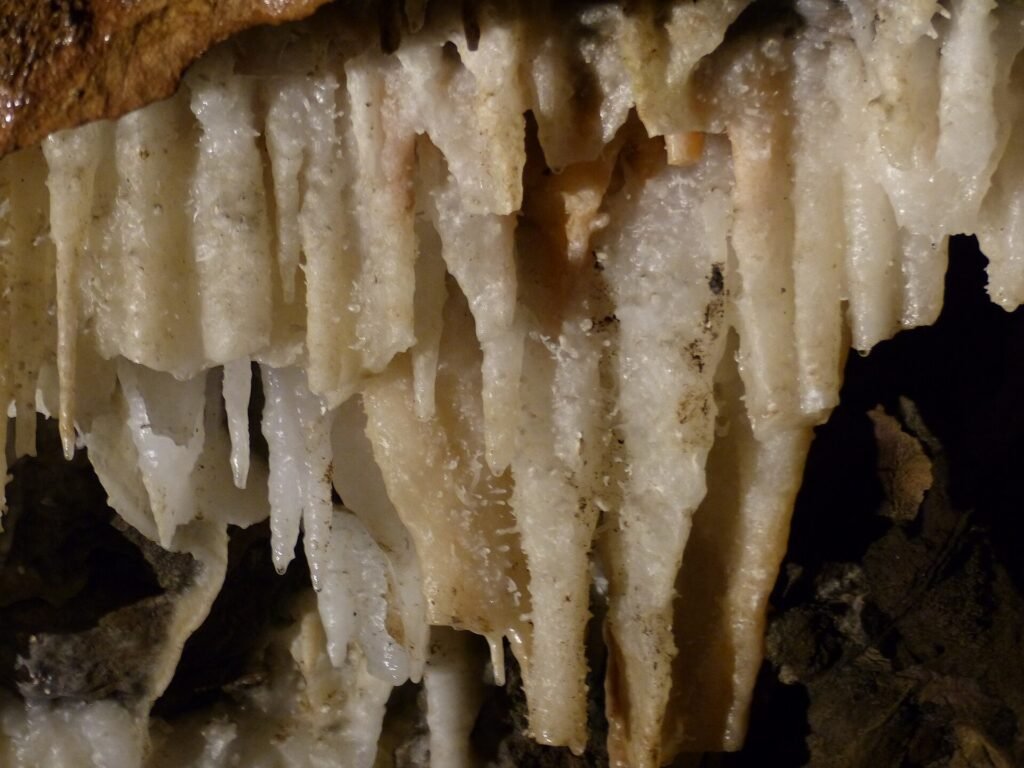
The cave lies beneath the hill in the built-up centre of Aracena, an unexpectedly convenient location for a substantial underground attraction. Guided tours pass through chambers of mineral formations and pools whose reflections can make the stonework seem almost doubled. The pleasure is in the variety: slender formations, broad surfaces of flowstone and spaces that change from intimate passages to larger halls.
It is not a casual wander-in visit. Tours follow a managed route and the council recommends advance tickets. The ground can be slippery, the route includes steps and ordinary photography is prohibited. Anyone with reduced mobility, significant claustrophobia or relevant respiratory or cardiovascular conditions should read the operator’s restrictions before booking.
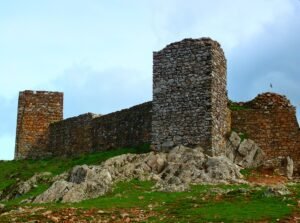
2. Walk up to Aracena Castle
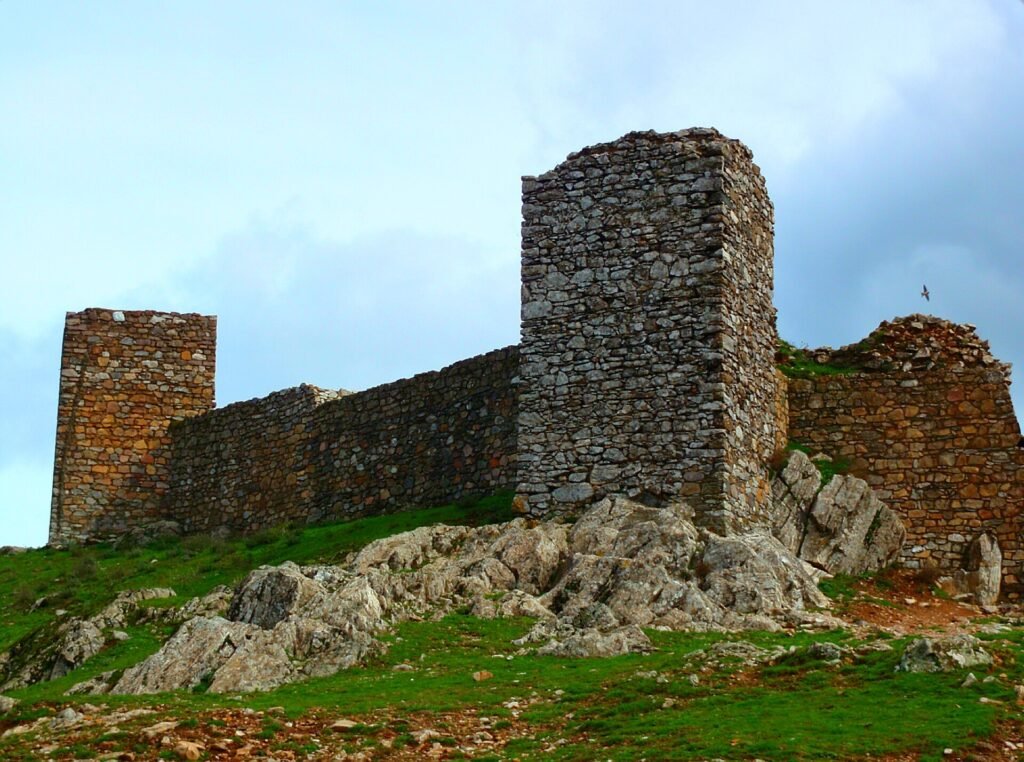
From the cave side of town, paths climb to the hilltop fortress. The surviving walls are a reminder that this was once a defensive position rather than a viewpoint built for tourism. Archaeological evidence from earlier Islamic settlement adds another layer to a place whose present appearance reflects later medieval fortification.
The walk is rewarding for its changing perspective on the town. It is also a hill walk: carry water in warm weather, take care on uneven surfaces and leave time for the descent. Entry to the managed fortified enclosure is separate from simply enjoying parts of the surrounding hill.
3. See the priory church beside the fortress
The Iglesia Prioral de Nuestra Señora del Mayor Dolor stands on the same elevated site as the castle but tells a different story. Its architecture belongs to a Christian religious phase of the hill’s history. From outside, notice the strong silhouette of the building and the way it shares the skyline with the fortifications.
Do not assume a castle ticket guarantees entry to the church interior; religious access can depend on worship and local arrangements. The exterior and setting are worth a stop even when the doors are closed.
4. Pause in Plaza Alta
Plaza Alta helps explain how Aracena grew beyond its first fortified hilltop settlement. The council describes it as the old main square, established as the population expanded downhill. Two important neighbours are the former Cabildo and the Iglesia de Nuestra Señora de la Asunción.
This is an architectural stop rather than a ticketed attraction. Instead of quickly ticking off the church façade, look at the relationship between the square, its historic buildings and the sloping streets beyond. It is a good place to notice the way the town’s centre shifted over time.
5. Look at the Iglesia de la Asunción and old Cabildo
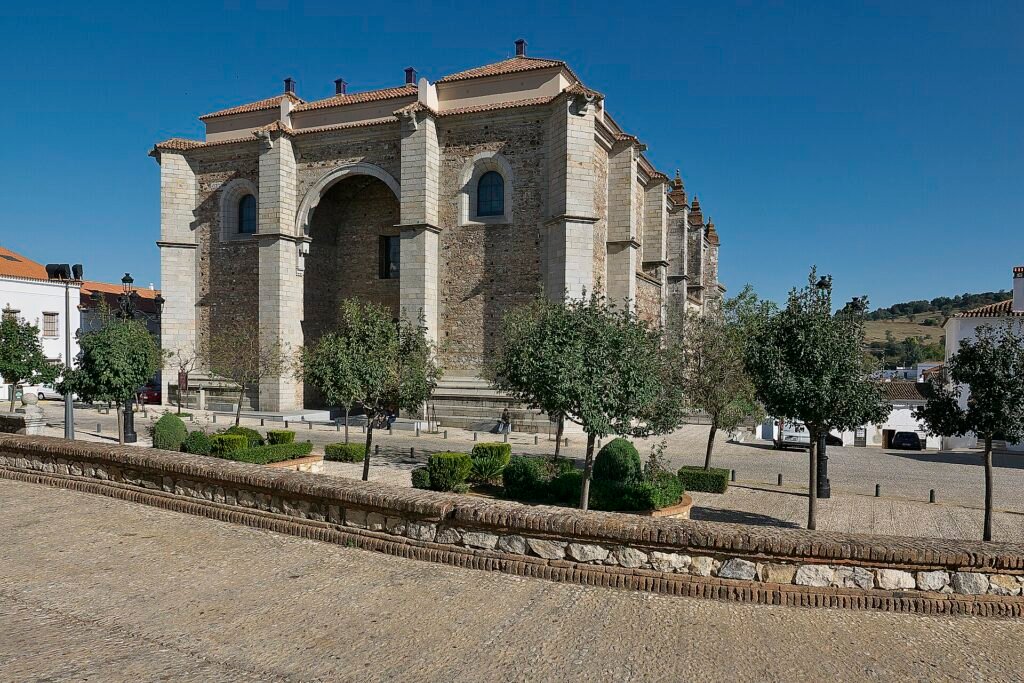
The parish church on Plaza Alta and the former town hall reflect Aracena’s development during the early modern period. On the Cabildo, look for the Renaissance doorway; the town’s official heritage material identifies Hernán Ruiz II with its sixteenth-century design. The neighbouring church grew through different building phases.
These sites are a useful reminder that Aracena is not defined solely by a medieval castle and a limestone cave. Its civic buildings and places of worship also tell the story of a town expanding into the valley.
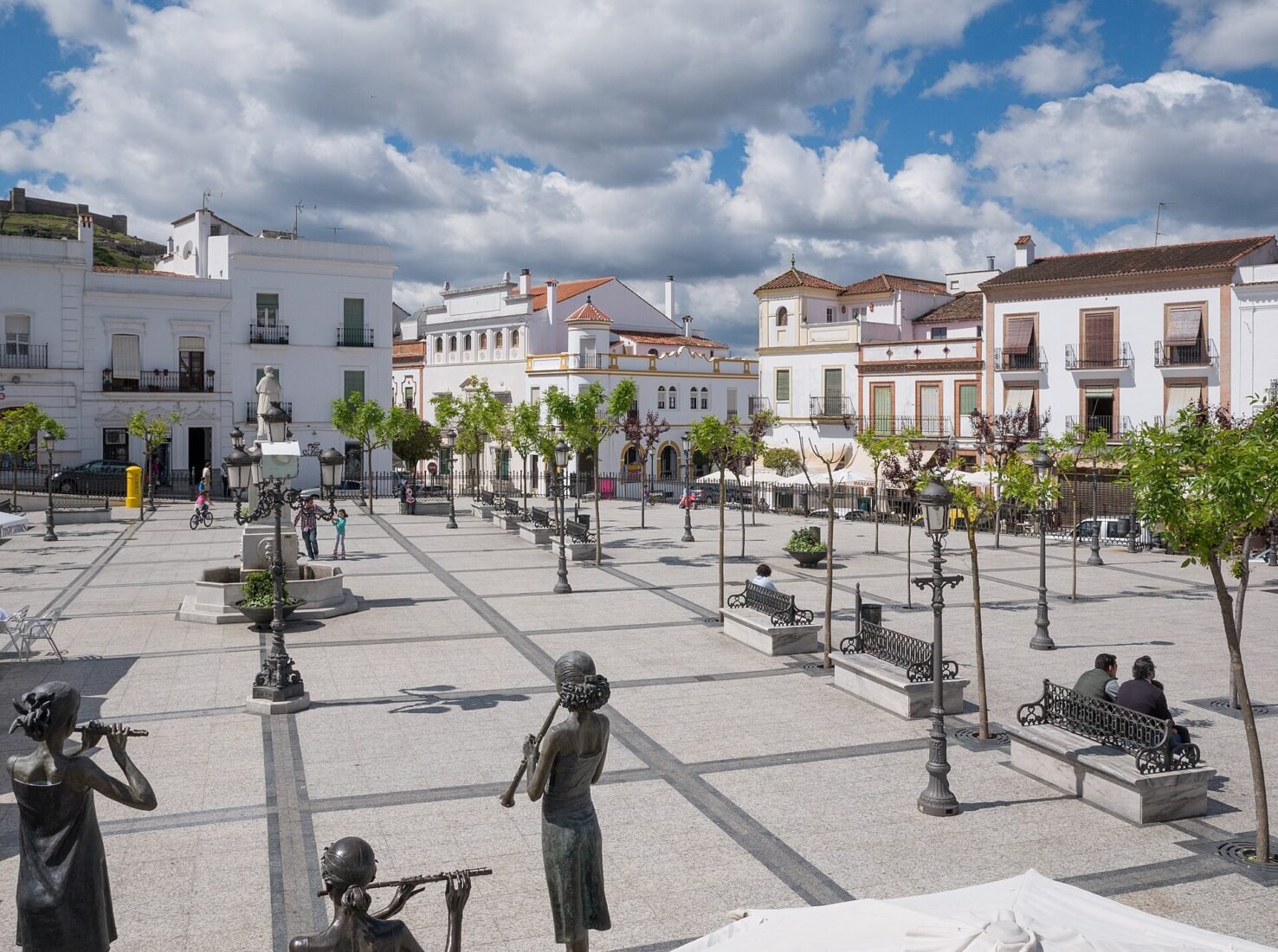
6. Spend time around Plaza Marqués de Aracena
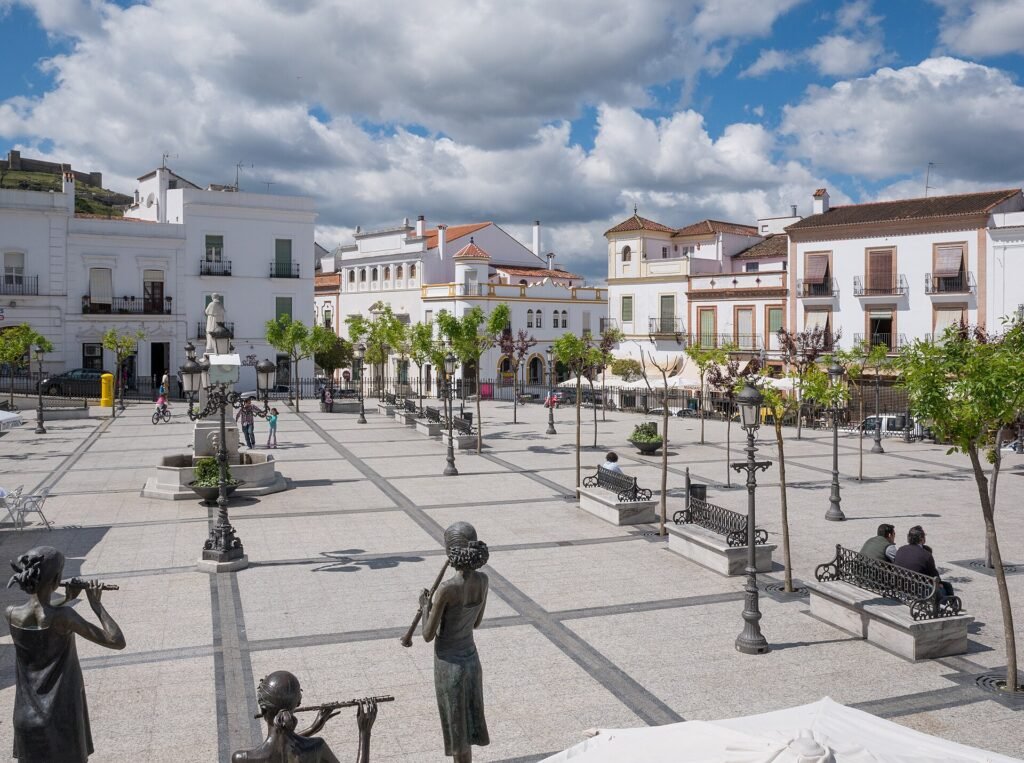
As the town developed, its social centre shifted away from Plaza Alta towards what is now Plaza Marqués de Aracena. This is a good place to observe daily life, take a break and decide where to head next. Its value is not a single monument but the change of rhythm after the hill and cave.
For a relaxed visit, choose a café or simply make time to sit. Avoid assuming that every business follows a continuous all-day schedule; lunch and dinner service often have different rhythms in Spanish towns.
7. Visit the Museo del Jamón
Aracena’s Museo del Jamón provides an introduction to the relationship between Iberian pigs, the dehesa landscape and the food traditions of the surrounding mountains. It is useful context before ordering cured ham or other pork dishes, because it helps connect what is on the plate to the land and production methods.
The municipality offers different ticket options, including combined admission arrangements with the cave and castle. Check what your purchase actually includes and the museum’s latest access information, as older tourism pages sometimes disagree on times.
8. Wander through Plaza de San Pedro
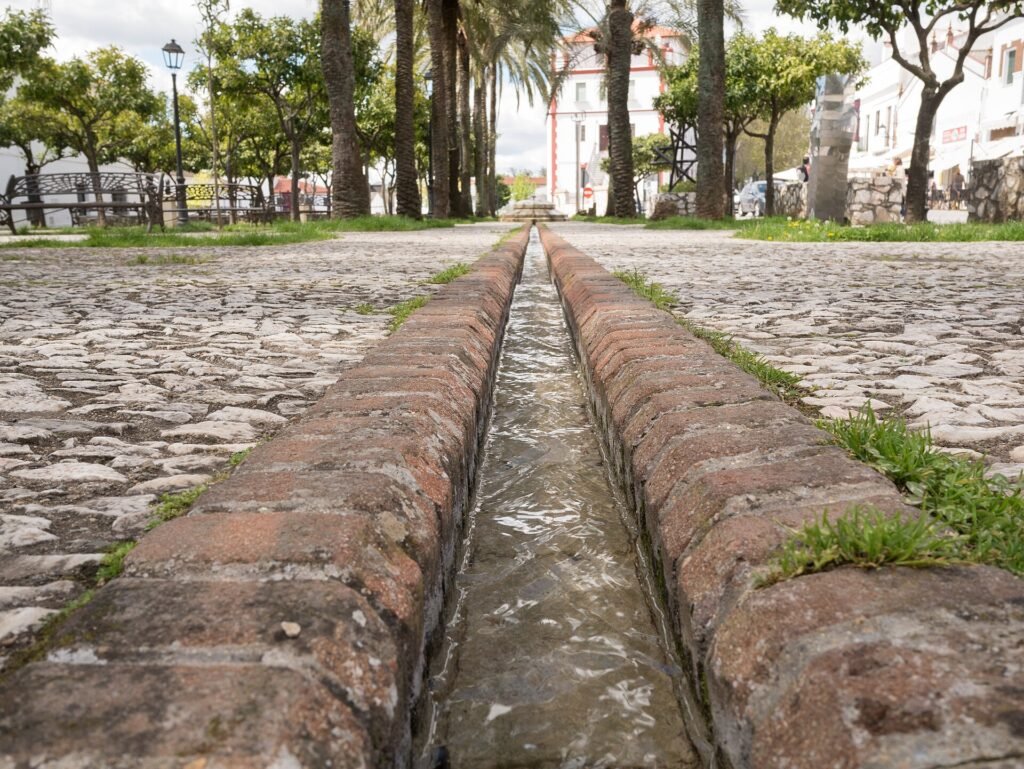
Plaza de San Pedro is a useful lower-town counterpoint to the monumental hill. Its paving, small-scale features and nearby streets make it a pleasant place for a quieter pause. It also sits naturally within a walking day linking the cave to other central landmarks.
There is no need to give every stop an hour. Some of Aracena’s character comes through in ten minutes spent noticing how the squares are used and how the streets connect.
9. Try a meal built around Sierra produce
After sightseeing, look for food with a clear connection to the region: carefully sliced Iberian ham, dishes based on pork, seasonal mushrooms or other mountain ingredients. The precise offering changes with the season and from kitchen to kitchen. Ask what is available locally instead of expecting a fixed list everywhere.
If the menu lists Jabugo ham, remember that Jabugo is a protected geographical name used under specific production rules, not a casual synonym for any cured ham. A knowledgeable server or producer should be able to tell you what you’re buying.
10. Get oriented before choosing a woodland walk
Aracena is surrounded by countryside, but the town itself offers no guarantee that every path beyond its edge is a signposted public trail. If you want to extend your visit into the Sierra de Aracena and Picos de Aroche Natural Park, get a current route map from the tourist office and check the trail’s start point, return journey and conditions.
For a first visit focused on the municipality, it can be better to reserve countryside hiking for a separate morning rather than setting off into the hills after a late cave appointment.
How to plan a rewarding day in Aracena
Begin with your fixed booking. If you have cave tickets, leave enough time to locate the pedestrian entrance and arrive early. Do not treat the tour as something you can join halfway through. The managed route takes roughly fifty minutes, but you need extra time before and after it.
Put the hill visit in a comfortable part of the day. Walking up to the castle and priory church can be tiring in summer, especially after a cave visit with steps. It is perfectly reasonable to choose the town’s flatter squares instead.
Use the afternoon for details. Plaza Alta, the Cabildo, the parish church and the Museo del Jamón provide a slower second half of the day. If you are staying overnight, a leisurely dinner gives you time to experience Aracena after most day-trippers have left.
Check local information on the day. Ticket conditions, church access and guided-visit timetables can change. The municipal tourism office is a better source than an old screenshot of opening hours.