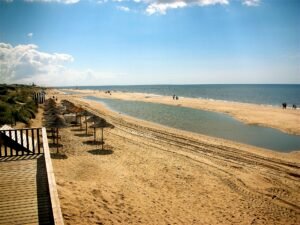
La Antilla is Lepe’s established seaside locality: a long sandy Atlantic beach with a neighbourhood behind it rather than an isolated ribbon of coast. The setting is straightforward, yet visitors who simply type ‘La Antilla beach’ into a map can still arrive at the wrong entrance for their needs. A stretch near food and public services feels very different from the approaches towards the natural dunes farther east.
This guide is for choosing the right access and having an enjoyable beach day. It deliberately avoids repeating an existing Rumbelia article that compares La Antilla and Islantilla as possible holiday bases. Here the focus is on practical decisions on the ground.
Start with the urban beach — and choose your access point
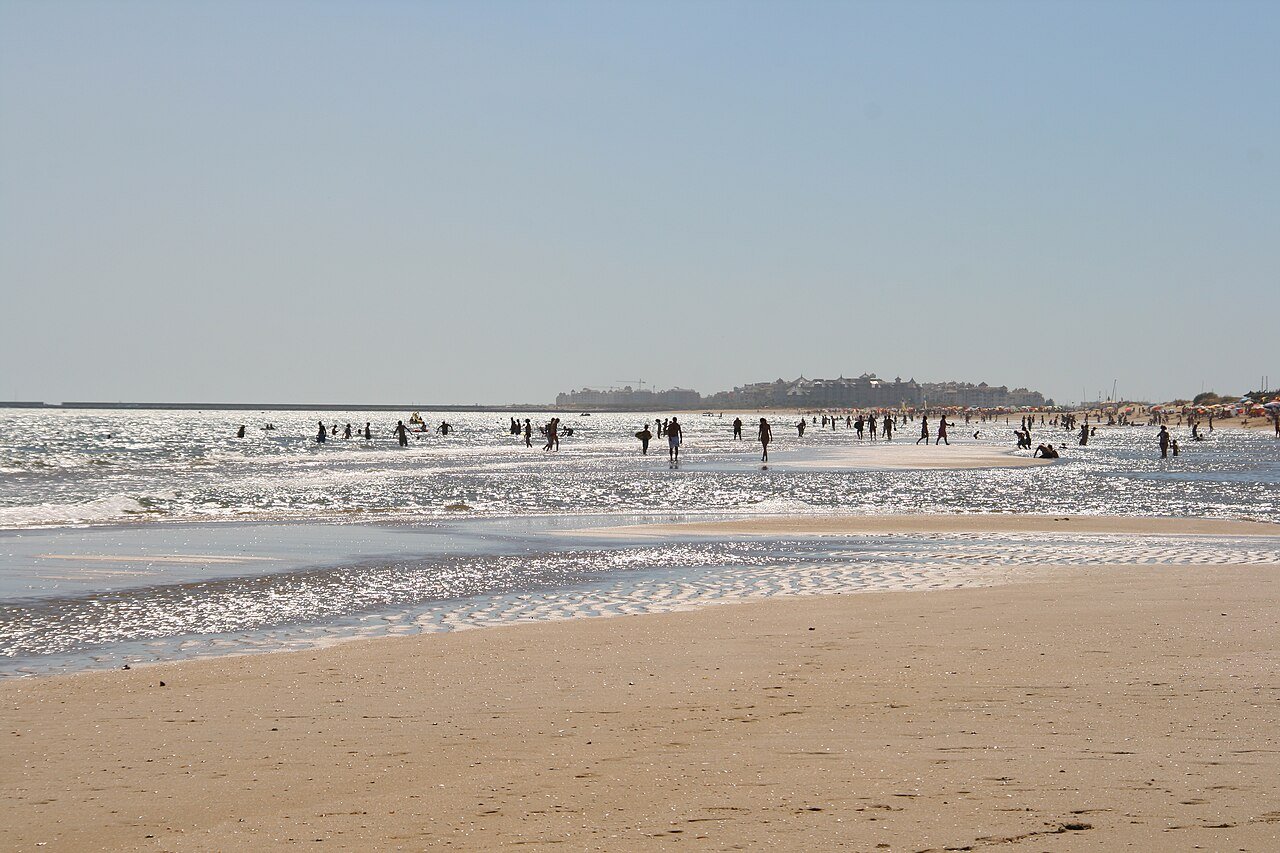
La Antilla is the principal beach destination of Lepe, a municipality a short distance inland. The municipal tourism office describes a long, fine-sand shore with an established mix of residential streets, places to eat and beach-related services. That makes the central developed area the clearest choice for first-time visitors with a full day of swimming or sunbathing in mind.
The key decision is not whether the beach is beautiful. It is whether you can reach the section you want with your group and supplies. Look for the nearest authorised beach entrance to your parking space or accommodation, and check the distance to toilets, shade options or a café if those are important. Do not assume every stairway or boardwalk leads to the same facilities.
Families will generally have an easier day on a serviced urban section than at the far end of an undeveloped walk. The beach is broad, so allow time to get from a meeting point on the promenade to your chosen place on the sand.
What the seafront is like in summer and outside the season
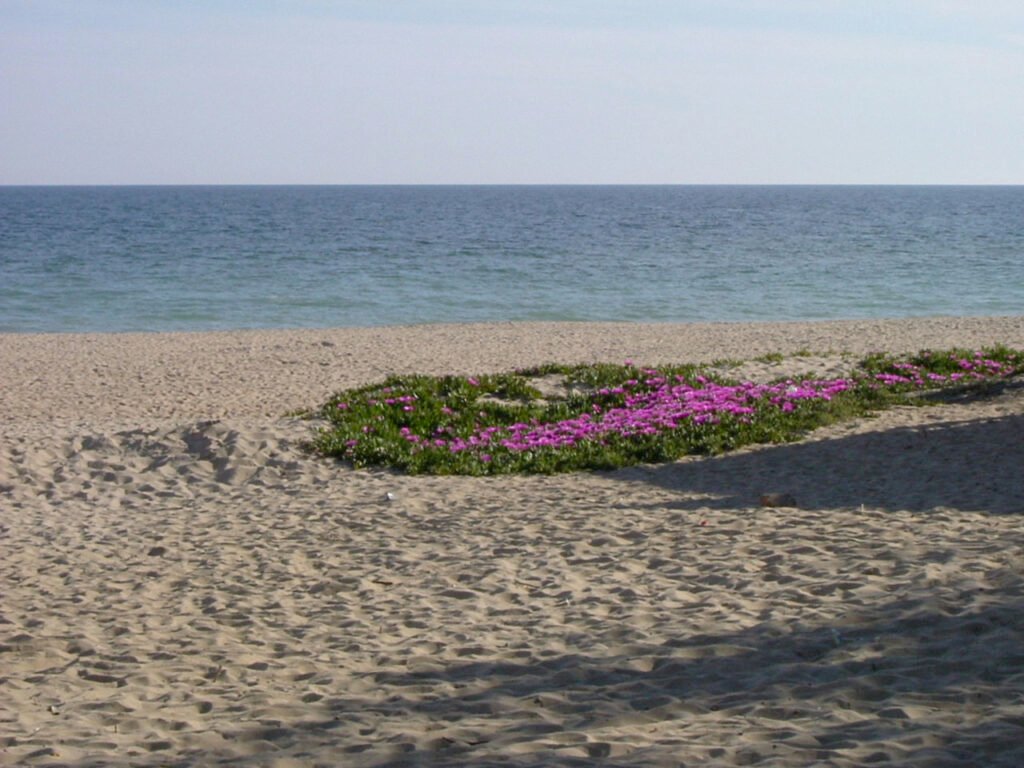
La Antilla retains the rhythm of a holiday neighbourhood. In summer, the waterfront is busy with people moving between the sand, apartments, cafés and evening promenades. The long beach means there is room to spread out, but convenient access points can become crowded and parking is often the limiting factor rather than the amount of sand.
Outside the busiest months, the same shore may feel much calmer. That is appealing for walks and Atlantic views, but some restaurants and services may operate shorter hours or close entirely. If you are visiting in spring or autumn, build the day around the beach and a confirmed food option, not assumptions based on a midsummer photograph.
Wind and tide influence how the beach feels year-round. A wide dry section at one hour may have less room closer to high water. Follow the current local notices and keep belongings clear of the incoming tide.
Families and accessible beach services: verify the specific stretch
Municipal tourism information identifies La Antilla as a serviced beach with safety and visitor infrastructure. That is promising for families and visitors who need adapted facilities, but the word ‘accessible’ can hide important practical differences. A paved approach to a promenade does not necessarily provide a smooth route across dry sand or assisted access to the water.
Before travelling, ask which entrance offers the support you actually need: adapted walkway, changing facilities, toilet provision, amphibious bathing equipment or staff assistance. Ask when those services operate, especially outside the main summer period. Seasonal lifeguards should not be treated as a year-round guarantee.
Choose a clear meeting point for children, use staffed swimming areas when available and observe bathing flags. Calm conditions near the shore can change rapidly in the Atlantic. If a lifeguard is absent, that is a reason for greater caution rather than assuming there is no hazard.
The fishing quarter and Capilla del Carmen
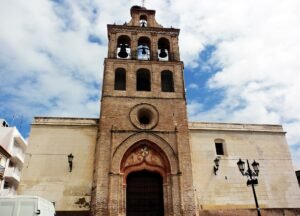
La Antilla did not begin as a resort complex. Local fishing traditions remain part of its identity, particularly around the Barriada de los Pescadores. The modest Capilla del Carmen reflects the maritime devotion of the neighbourhood and helps place today’s beach tourism alongside an older coastal community.
It is a small-scale cultural stop, not a museum requiring a long itinerary. Walk respectfully through public streets and look at the chapel exterior if access is not available. Fishing equipment and boats are part of local work, not unattended tourist props. The municipal tourism office associates the area with celebrations dedicated to the Virgen del Carmen; the programme changes from year to year, so verify any procession or service before travelling specifically for it.
Be careful with map results for ‘Capilla del Carmen’: there can be multiple chapels with similar names around Lepe. The intended place here is in the fishermen’s quarter of La Antilla.
Take the Sendero Azul as a short coastal alternative
The local Sendero Azul provides a way to stretch a beach day into a walk through public seaside spaces and towards the natural fringe of the coast. Lepe’s tourism service describes a route of a little over three kilometres, connecting developed sections with coastal vegetation and ultimately the direction of the protected Nueva Umbría environment.
You do not need to walk the entire route. An out-and-back section with a known turning point works well for groups who also want time to swim. Walking surfaces can change from paving to loose sand and wooden access structures; cyclists should use only stretches designated for them, and everyone should respect dune barriers.
Bring water even if you expect cafés near the urban beginning. As the route shifts away from the busiest built-up beach, shade and services are less reliable. Plan the return while you still have enough energy, rather than following every trail marker simply because it appears.
Santa Pura: a transition towards dunes and protected marshland
To the east of the main La Antilla beach, Santa Pura offers a more natural-feeling shore. The municipal tourism office identifies it with the landscape adjoining the protected Marismas del Río Piedras y Flecha de Nueva Umbría. Beachgoers may still encounter seasonal facilities near established accesses, but the importance of dunes and habitat becomes more visible.
That transition is worth noticing. Sand, plants and marsh channels are not obstacles to be crossed by inventing shortcuts. Stay on authorised crossings, do not trample dune vegetation and avoid entering tidal marsh ground. A marked coastal path can provide the scenery without requiring you to reach every isolated stretch of sand.
If you are seeking a fully serviced family day, choose your Santa Pura entrance carefully and verify what is operating. If you want quiet landscape, arrive equipped for limited facilities and a longer return walk.
Why La Antilla is not the same as Islantilla
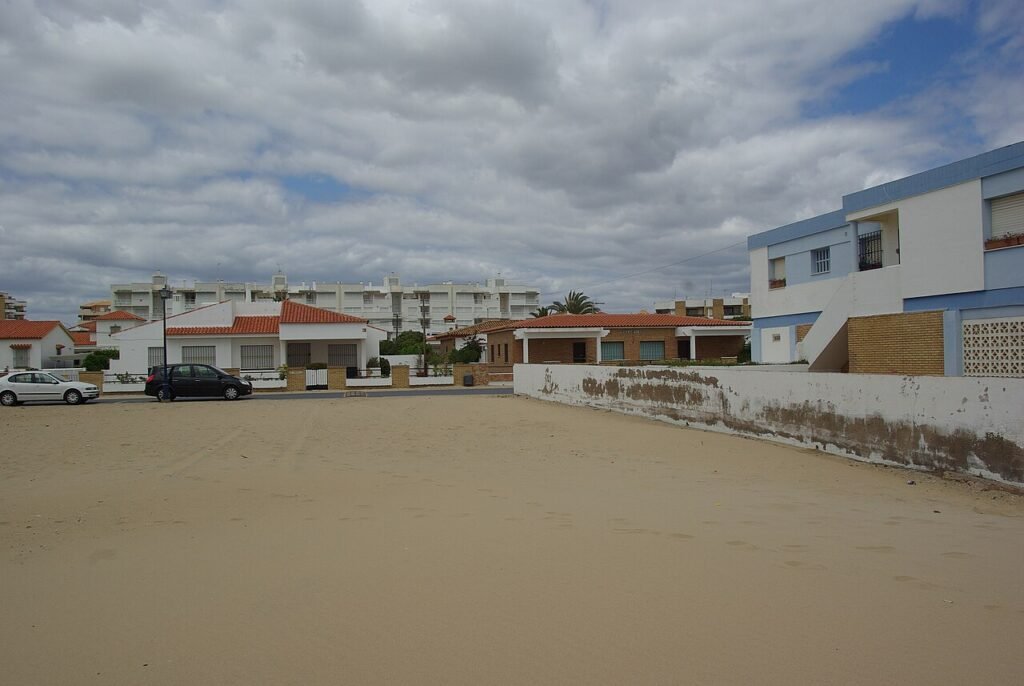
Although the coast is continuous, the distinction matters when arranging a day trip or meeting other travellers. La Antilla has an established beach-neighbourhood character and its own local streets; Islantilla is more deliberately organised around resort accommodation and a long promenade. Visitors may enjoy either or both, but bookings and navigation should use the exact place name.
If your aim is simply a good beach day, there is no obligation to visit both in a single afternoon. A comfortable La Antilla access point, a swim and a walk may be more rewarding than searching for a second parking place nearby. For a longer stay, compare the atmosphere of accommodation areas separately rather than judging the entire coast by a single photograph.
Arriving by car, parking and public transport
La Antilla receives heavy seasonal demand, especially when hot weather brings day visitors from inland. The simplest strategy is to choose your intended beach section first and then look for authorised parking nearby. Never use dune tracks, emergency access or informal marshland spaces as overflow parking, even if other vehicles have done so.
If you are staying nearby, walking can be preferable to relocating the car for another stretch of the same beach. For visitors arriving by public transport, confirm actual service routes and summer versus off-season timetables; a connection to central Lepe does not necessarily continue to the beach as frequently as you need.
Do not treat online estimates of parking availability or free spaces as guarantees. Changes to local traffic rules, events and beach-service areas can alter the situation from one summer to the next.
A simple La Antilla beach-day plan
For an easy family day, arrive at the entrance nearest your intended facilities, check the flags, and spend the morning on the beach. Take lunch nearby rather than moving the car, then choose either another short swim or a gentle part of the Sendero Azul when the heat eases. An evening stroll through the established seaside streets provides a fitting end without excessive driving.
For travellers who prefer nature, start early, choose a legitimate route towards Santa Pura and return before the most exposed part of the afternoon. Keep the wild coast as a landscape walk rather than promising remote swimming without surveillance.
La Antilla’s greatest strength is that it can be uncomplicated. Know where you are entering, what support you need and what the sea is doing that day; the rest can be flexible.
For a longer holiday, compare the neighbouring resort with our Islantilla accommodation and resort guide. Our combined La Antilla and Islantilla overview helps you choose between the two.